Read More
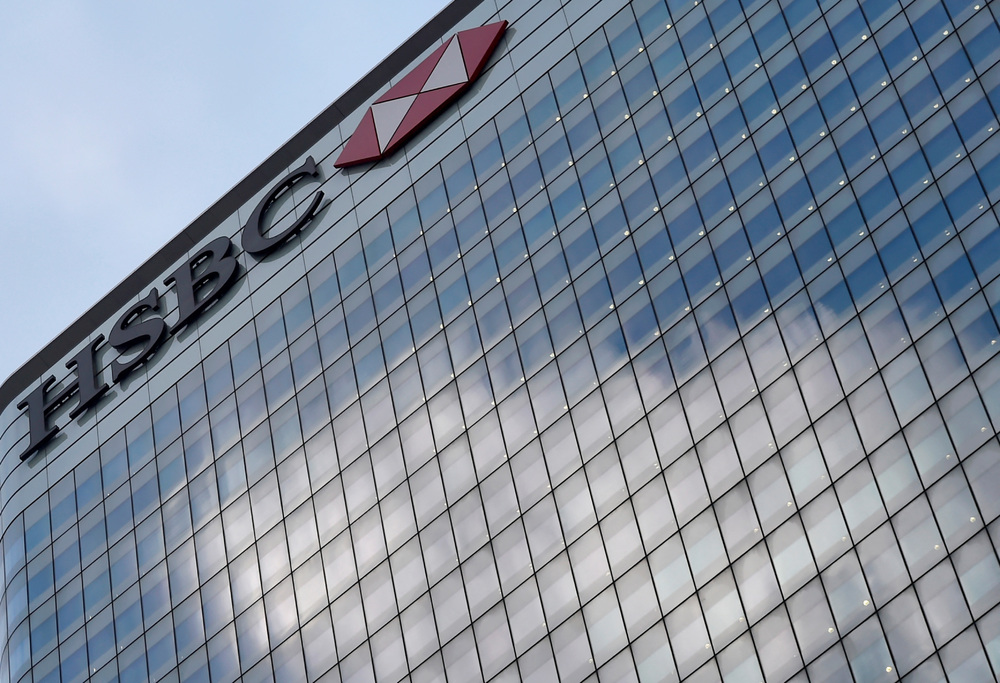
The head of HSBC Holdings public affairs has criticized the United States for strong-arming the United Kingdom into cutting back business dealings with China and accused the British government of being "weak for going along with it."
ADVERTISEMENT
SCROLL TO CONTINUE WITH CONTENT
Sherard Cowper-Coles said at a closed-door event in London in June that the UK would often bow to the demands of Washington when it should instead look after its own interests, sources said.
Cowper-Coles - chairman of the China-Britain Business Council lobby - said that his "personal comments" do not reflect the views of HSBC or the CBBC.
"I apologize for any offense caused," said Cowper-Coles, who is also a former British ambassador with stints in Saudi Arabia, Israel and Afghanistan.
Francis Kwok Sze-chi, the vice chairman of the Hong Kong Institute of Financial Analysts and Professional Commentators, said Cowper-Coles' comments are unlikely to cause a furor.
HSBC's shares may fluctuate by a small margin but the impact will be limited as the lender has announced a US$2 billion (HK$15.6 billion) share buyback and is expected to resume the third interim dividend.
If its shares dip to HK$60 versus yesterday's closing price of HK$63.95, investors are recommended to buy in, he added.
Kenny Ng Lai-yin, a securities strategist at Everbright Securities International, agreed that the fallout will be limited as the comments did not involve any changes to HSBC's policies on China. And while such incidents would not affect HSBC's business, they would dent its image as a global bank.
The political tussles have been a growing source of tension for the UK and other European countries of how to navigate the rapid deterioration of US-China ties. After decades of pursuing trade with Beijing, trying to dial that back comes at a cost for businesses.
The US has restricted China's access to advanced technologies such as high-end semiconductors that could be used for military purposes and blacklisted some of its companies on security grounds. Beijing responded with some of its own restrictions. Addressing such security concerns without losing access to China's massive market has created friction with the private sector and US allies that fear getting caught in the crosshairs.
Cowper-Coles gave one example of the UK caving in to Washington's wishes: in 2020 the UK decided to ban Chinese telecoms giant Huawei from taking part in building its 5G cellular network, reversing previous assessments.
HSBC previously came under attack in China over its cooperation in a US probe into Huawei. But when it expressed public support for a security law imposed in Hong Kong, its biggest market, that drew criticism from local activists and western politicians.
Cowper-Coles' remarks came after a visit to China where he met senior government officials in his capacity as CBBC chairman. He said that HSBC's relations with China were on a solid footing, sources said.
Cowper-Coles had previously called for better relations between China and the UK. In February 2021, he said that the UK has to engage on its own terms and in its own interests.
"The American financial services industry is absolutely cleaning up in China, while we're struggling to get an economic and financial dialog arranged," he said.
In May last year a senior banker at HSBC was suspended for referring to climate crisis warnings as "unsubstantiated" and "shrill" during a conference in which he gave a speech titled "Why investors need not worry about climate risk."
Stuart Kirk, the global head of responsible investing at HSBC Asset Management, later resigned from his role in July 2022, and HSBC chief executive Noel Quinn used a LinkedIn post to distance the bank from Kirk's remarks.
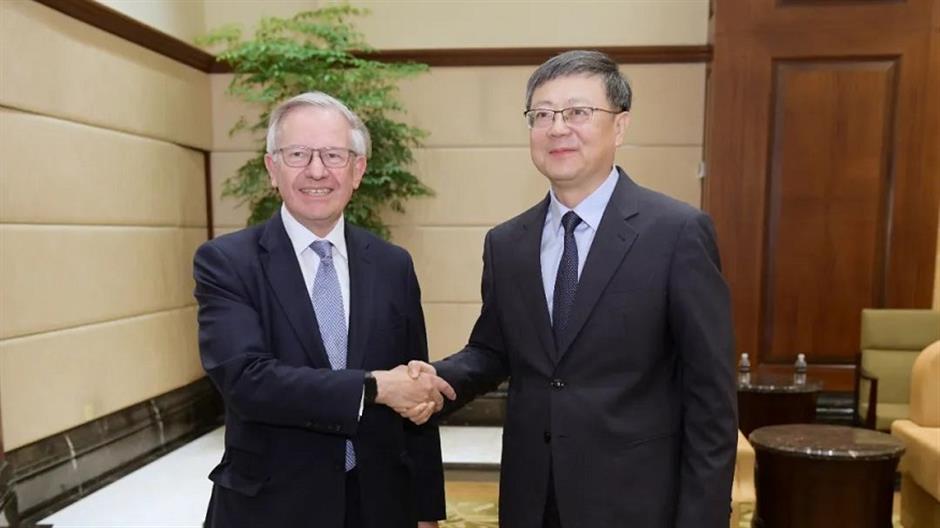
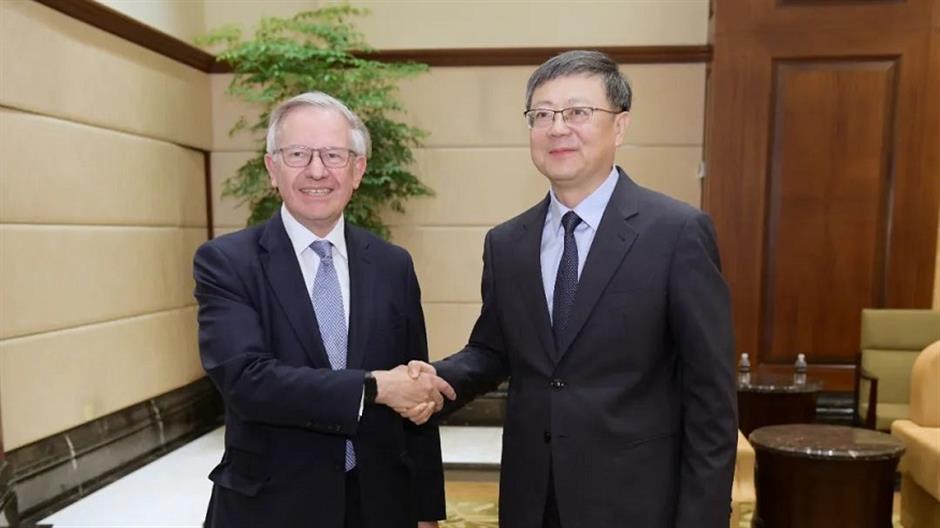
Sherard Cowper-Coles, with CCPC Secretary of Shanghai Chen Jining, says his comments don't reflect the views of HSBC or the China-Britain Business Council.