Major local banks have raised their prime rates by 0.125 percentage points for the first time in four years following the US interest rate increase.
This bumps up borrowing costs for property owners and businesses at a time when the economy is struggling with Covid restrictions and an exodus of talent.
The Hongkong and Shanghai Banking Corporation is boosting its prime rate by 12.5 basis points to 5.125 percent from today. And it warned of more increases to come.
Standard Chartered Hong Kong and Bank of East Asia are lifting their rates by the same amount to 5.375 percent.
Bank of China (Hong Kong) and the Hang Seng Bank will also raise their rates to 5.125 percent, effective from next Monday and Tuesday. The banks said they have considered multiple factors when making the moves, including the macro-economic environment, Hong Kong interbank offered rate trends and the impact on the economy and the community.
The lenders will also raise their Hong Kong dollar savings deposit rates by 12.4 basis points to 0.125 percent for accounts with at least HK$5,000.
And HSBC has increased its deposit rates for US dollars by 25 basis points to 0.5 percent.
Though the rise in prime rates was slower than predicted, more increases are seen coming, potentially pushing the rate up 0.5 percentage points by the end of the year.
Banks are weighing adjusting at one go and testing the water before another window in November and December to further adjust and narrow the interest rate gap between the US and Hong Kong, said Kelvin Lau, senior economist for Greater China at Standard Chartered.
They are themselves also battling rising borrowing costs, with some interbank rates hitting the highest level in 14 years. The one-month Hibor, to which the mortgage rate is linked, rose for 10 consecutive days to 2.606 percent yesterday.
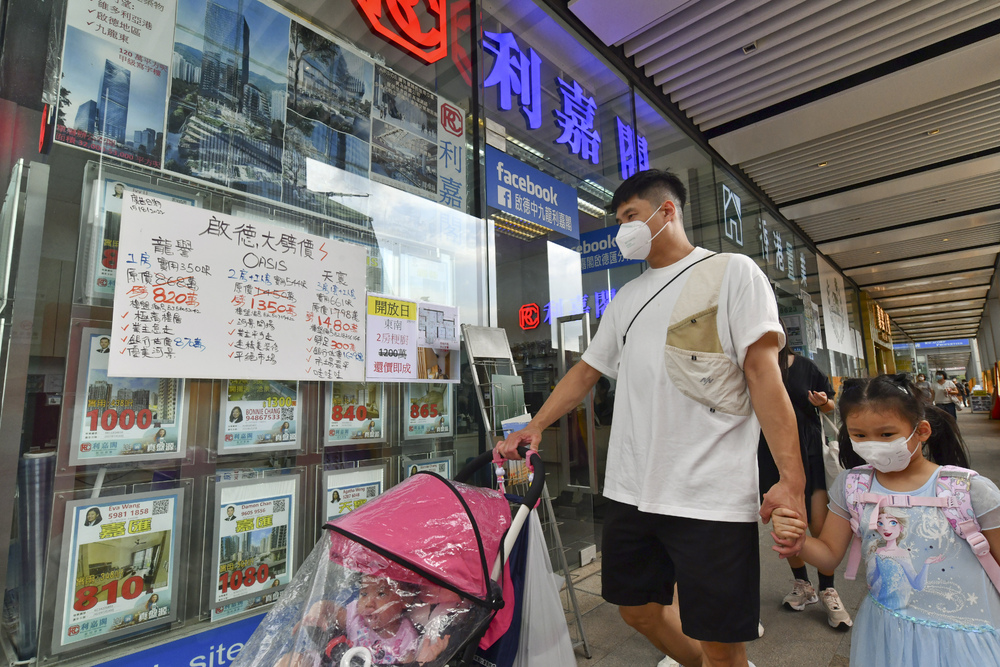
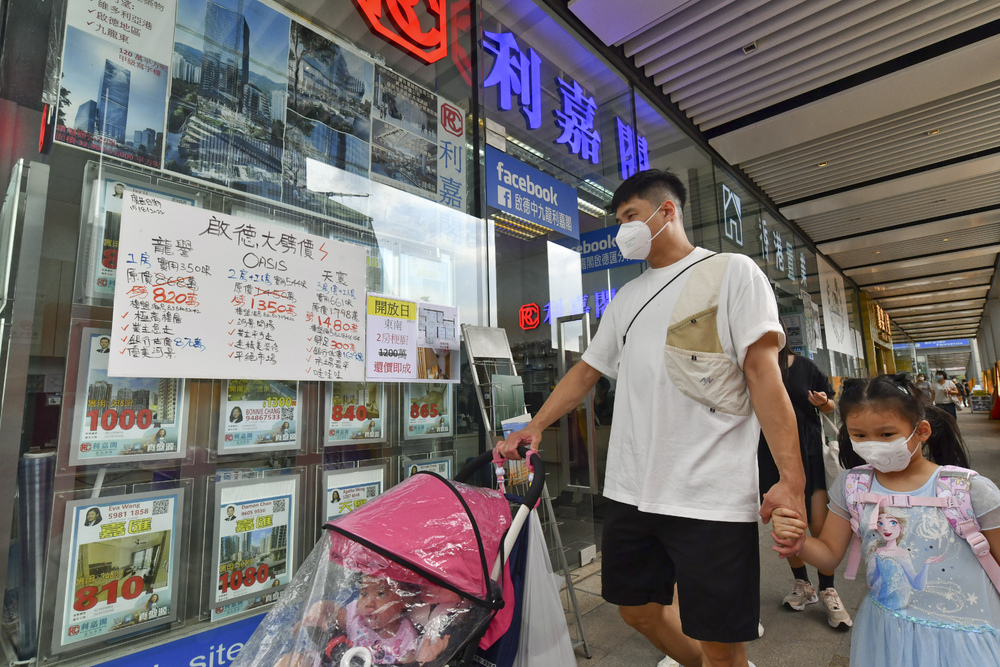
The rate increase adds to pressure on the world's least affordable property market, which has dropped by nearly 5 percent in the first seven months of this year and is projected to decline by about 10 percent this year.
The city's housing could become the most unaffordable since 1998 if banks raise mortgage rates to 3.5 percent, Bloomberg Intelligence estimates. The currency mortgage rates range from 2.625 to 2.875 percent and are estimated to hit 3 percent within the year.
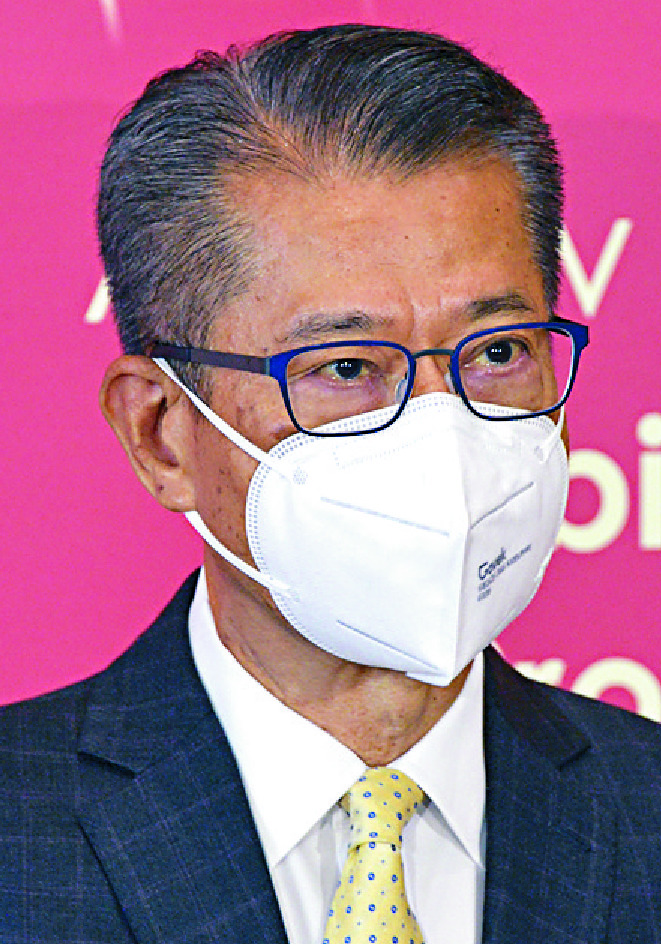
Financial Secretary Paul Chan Mo-po, however, downplayed the concerns yesterday, telling reporters that the city's housing market is not at risk of a market crash, though the US interest rates were being raised "at a pace that was never seen in the past three decades."
But "there is a very high chance for Hong Kong to record a negative gross domestic product growth for this year," Chan said.
His comments came after the Hong Kong Monetary Authority raised its base rate by 75 basis points, keeping in step with the US Federal Reserve.
Hong Kong's monetary policy moves in tandem with the US to preserve the local dollar's peg with the US currency.
At a separate press conference, HKMA chief executive Eddie Yue Wai-man assured investors that the city's financial and currency markets continue to operate in an orderly manner, though he also warned of more carry trade activities and increasing bad debt rates in banks ahead.
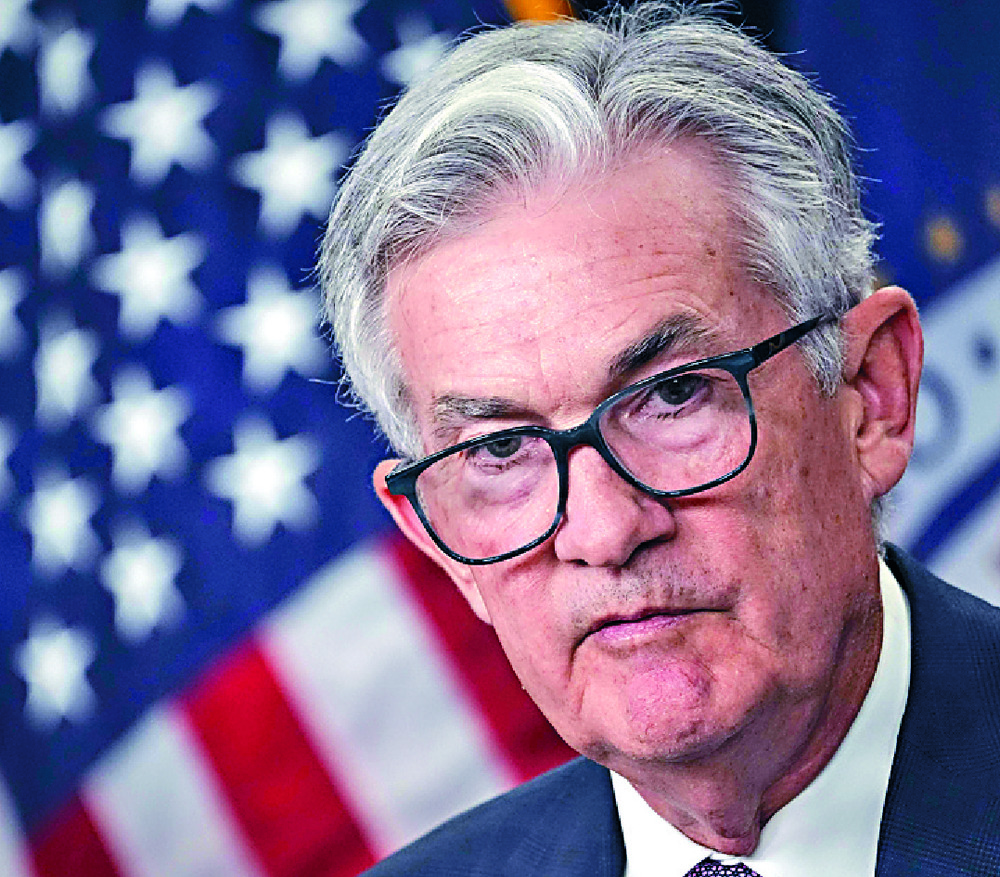
The US Federal Reserve chair, Jerome Powell, vowed officials would crush inflation after they raised interest rates by 75 basis points for a third straight time and signaled even more aggressive rises ahead than investors had expected.
"We have got to get inflation behind us. I wish there were a painless way to do that. There isn't," Powell said after the rate increase.
"Higher interest rates, slower growth and a softening labor market are all painful for the public that we serve. But they're not as painful as failing to restore price stability and having to come back and do it down the road again," he said.
Powell said his main message was that he and his colleagues were determined to bring inflation down to the Fed's 2 percent goal. "They will keep at it until the job is done."
Officials forecast that rates would reach 4.4 percent by the end of this year and 4.6 percent in 2023 from the present three to 3.25 percent, a more hawkish shift in their so-called dot plot than expected.
That implies a fourth-straight 75 basis-point increase could be on the table for the next gathering in November.
Separately, the Bank of England raised its key interest rate to 2.25 percent from 1.75 percent yesterday and said it would continue to "respond forcefully, as necessary" to inflation, despite the economy entering a recession.
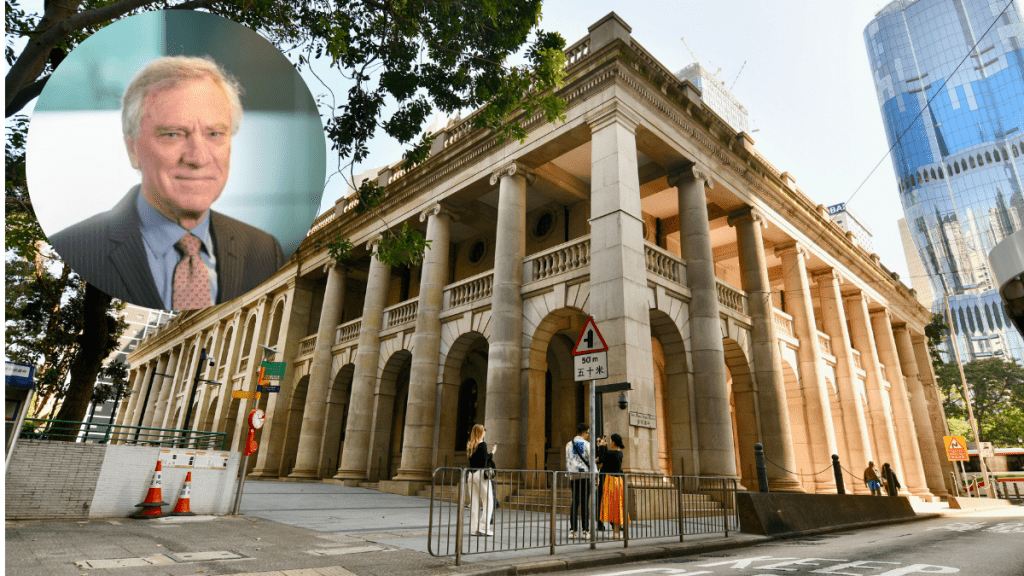
Paul Chan
Jerome Powell