Read More
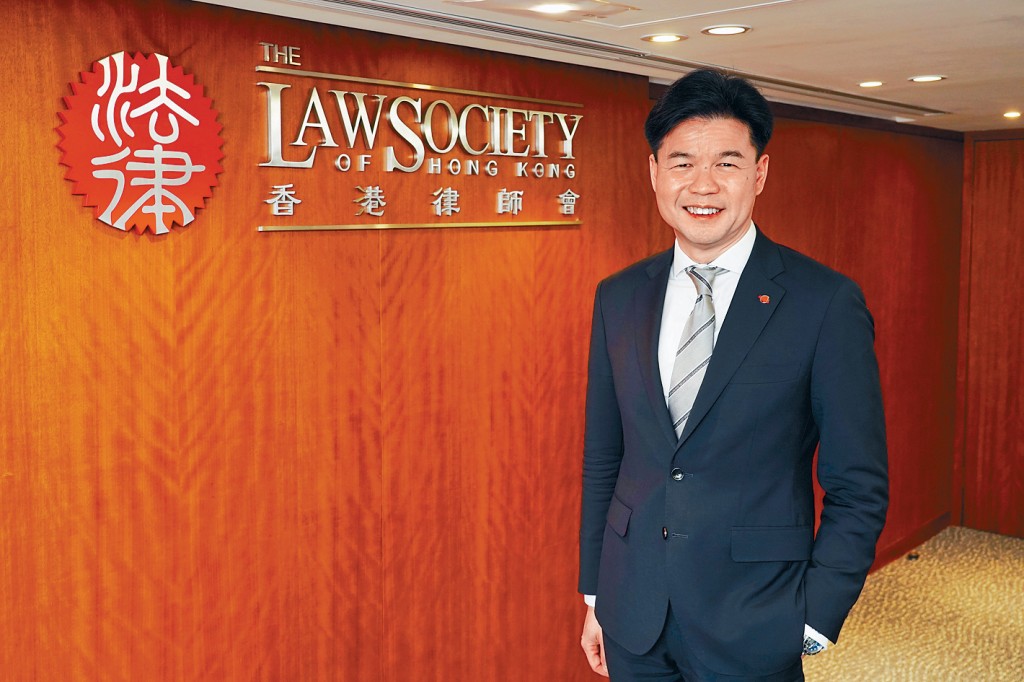
Staff reporter and agenciesIn an interview with Sing Tao Daily, the Secretary for Financial Services and the Treasury, Christopher Hui Ching-yu, said the SAR government is discussing with its counterparts in Qianhai to allow private equity funds incorporated in Hong Kong to invest in the mainland more easily.

The SAR government will help Hong Kong-registered private equity funds and local accountants to tap opportunities in Qianhai, a special economic zone in Shenzhen.
ADVERTISEMENT
SCROLL TO CONTINUE WITH CONTENT
Although foreign private equity funds can use other ways to directly invest in the mainland without going through Hong Kong, the new proposal with Qianhai will provide Hong Kong-registered funds with an option that needs fewer approval procedures or fewer restrictions when investing in the mainland, Hui said.
But whether the funds can only invest in the Greater Bay Area or across China still needs to be studied by Qianhai authorities.
Hui said that if the cooperation with Qianha is implemented, it reflects that the mainland authorities recognize Hong Kong's fund registration system, which can also be considered the first stage of a "connect" scheme linking Hong Kong with the mainland in private equity funds.
China and Hong Kong have already launched a series of connect schemes facilitating cross-border investments in stocks, bonds, exchange-traded funds and interest rate swaps.The SAR government is also working with Qianhai authorities to allow Hong Kong accountants who are not qualified to practice in the mainland to work as partners in accounting firms in Qianhai, so they can be allowed to engage in certain areas of work in the Greater Bay Area, Hui said. Hui said there is a great demand for Hong Kong accounting professionals in the mainland as the work standards and ethics of Hong Kong accountants have been widely recognized.
This came as HSBC confirmed a report that it has formed a Chinese Communist Party committee at its investment banking venture HSBC Qianhai Securities.HSBC said it is common for companies in the country to have such a committee, which can be set up with as few as three employees and it has no impact on the business and daily operation.
HSBC's decision, which was first reported by the Financial Times yesterday, came after the London-headquartered bank raised its stake in the China brokerage joint venture to 90 percent from 51 percent in April.Having a committee of Communist Party members is required by Chinese law but hasn't been widely enforced at foreign financial firms operating in the country, the FT said. The committees serve as unions and sometimes as a way to install party members in a company's upper management.
The move will pressure other foreign banks to follow as some have been examining whether they are required to do so after taking full ownership of their mainland brokerage operations over the past two years, the FT said, citing senior people.HSBC has also established CCP committees in other operations in China, including at an asset management joint venture with Shanxi Trust, the newspaper said.Christopher Hui
Qianhai