Read More
The ASEAN Film Festival has returned to Hong Kong, bringing more than 30 free screenings of films from Southeast Asia and beyond to screens across the city. At the heart of its fourth edition is a celebration of cultural exchange, with free screenings spanning stories of family, identity, migration, youth, and contemporary life, offering audiences a window into the rich diversity of the region.
ADVERTISEMENT
SCROLL TO CONTINUE WITH CONTENT
The programme brings together films from ASEAN member countries, while the wider program also includes selected works from Australia, Bangladesh, Belarus, China — including Hong Kong — Kazakhstan, Nepal, Pakistan and Russia. It is the largest selection since the festival began.
Music runs through much of this year’s lineup. The opening film, the Philippines’ Song of the Fireflies, is joined by titles including Thailand’s Beauty and the Beat, Singapore’s Number 1, Vietnam’s Sound Across the Ocean, and Hong Kong’s Band Four. Timor-Leste, meanwhile, makes its festival debut with Intangible Cultural Heritage: Short Films from Timor-Leste, a collection drawing attention to the country’s musical and cultural traditions.
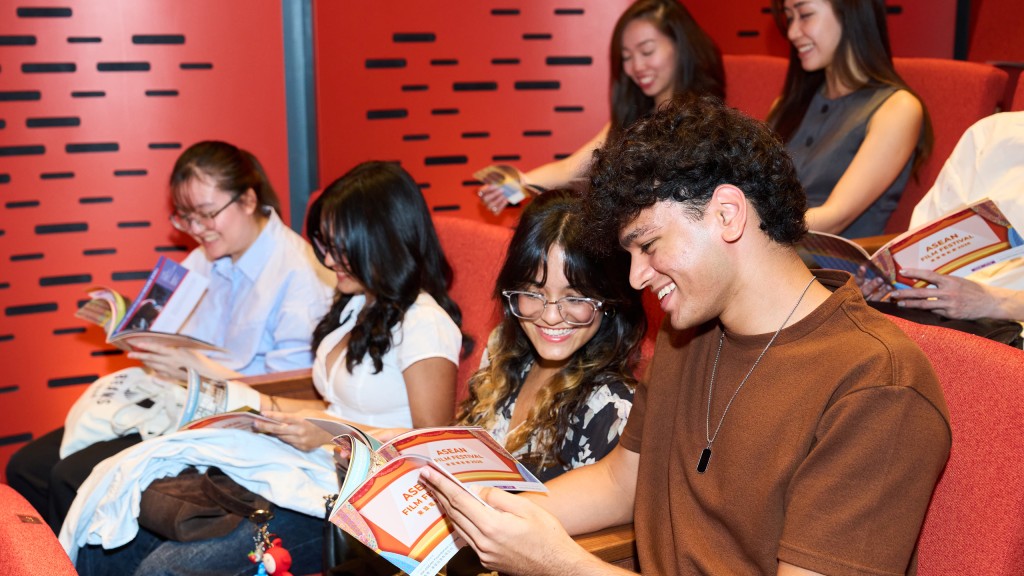
Throughout the Festival, film enthusiasts can enjoy film screenings and sharing sessions with filmmakers.
Fostering Cultural Exchange and Diverse Creativity
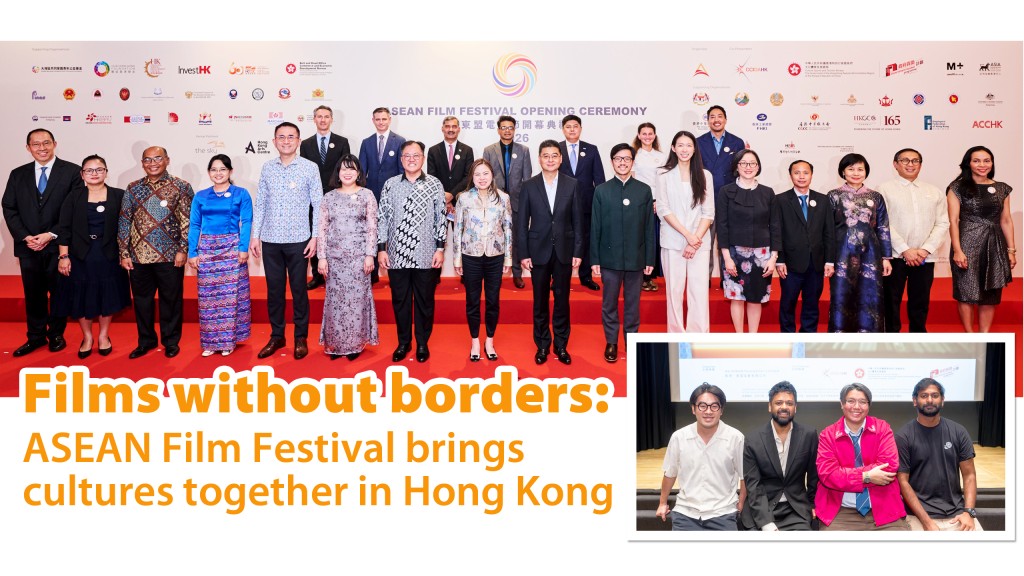
The opening ceremony brought together Hong Kong officials, consular representatives, cultural partners and filmmakers from across the region, setting the tone for an event that sees cinema not simply as entertainment but as a platform for connection.
Secretary for Culture, Sports and Tourism Rosanna Law said the festival’s significance extended “far more than just screenings,” describing it as fundamentally about “connection and collaboration.”
She said its sharing sessions, networking events and dialogues could help build “lasting partnerships and genuine friendships,” while reinforcing Hong Kong’s position as an East-meets-West center for international cultural exchange.
Law also highlighted the role of the Cultural and Creative Industries Development Agency (CCIDA) in creating links between Hong Kong filmmakers and their counterparts overseas. “Our aim is to help provide more valuable opportunities for Hong Kong’s own film professionals to engage with the ASEAN community and beyond, fostering mutual learning and creative synergy,” she said.
Muzambli Markam, Dean of the ASEAN Consuls-General in Hong Kong and Malaysia’s Consul-General, said the festival highlights the diversity of cultures and creative voices across ASEAN and beyond. He also welcomed Timor-Leste’s first participation as a reflection of ASEAN’s growth and its longstanding ties with Hong Kong.
Nicholas Ho Lik-chi, Commissioner for Belt and Road, placed the festival within Hong Kong’s broader role as a connector, describing the Belt and Road Initiative as being about “building sustained connections among people, places and ideas,” with cinema giving local audiences a chance to better understand communities across ASEAN and the stories that link them.
Daryl Ng, Chairman of the Hong Kong-ASEAN Foundation Limited, thanked the participating government officials, Consuls-General and partners, filmmakers and creative talents for their support and contribution to the Festival. He hoped audiences would enjoy the programme and take the opportunity to discover new stories, gain fresh perspectives and learn more about the rich cultural diversity represented on screen.
Post-screening Sharing Sessions Spark Creative Inspiration
That exchange continues beyond the screenings themselves. Selected films are paired with sharing sessions featuring directors and other creative talents, giving audiences insight into the filmmaking process and a chance to respond directly to what they have seen.
During the opening week, filmmakers including Hong Kong director Jill Leung, Myanmar filmmaker Pyae Zaw Phyo, and Adnan Al Rajeev, Ananth Subramaniam and Whammy Alcazaren, whose works feature in New Frequencies: Short Films of Youth and Whimsy, joined the networking reception. Supported by CCIDA, the discussions brought together local and international filmmakers to exchange views on filmmaking and industry developments.
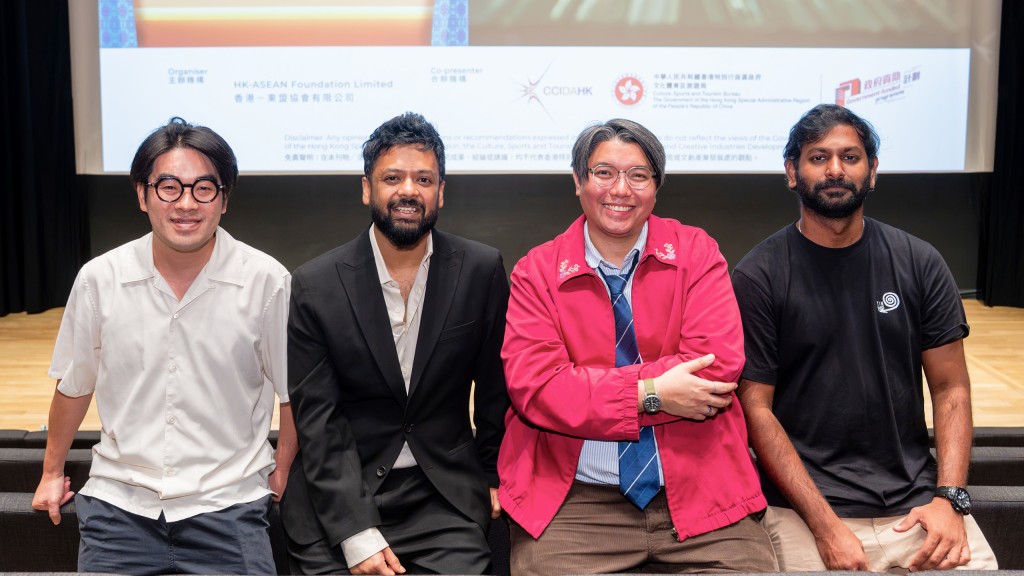
From left: Directors Jill Leung, Adnan Al Rajeev, Whammy Alcazaren and Ananth Subramaniam attend a screening and networking event supported by CCIDA.
For the filmmakers, the conversations that take place around a screening can be just as valuable as the film itself.
Leung, Alcazaren, Subramaniam, Al Rajeev and Pyae all pointed to cinema’s ability to travel beyond language and geography. Stories may emerge from very different communities, but themes such as memory, identity, personal struggle and climate change can reveal experiences shared across cultures.
Subramaniam said repeated encounters at international festivals gradually build a regional network among filmmakers. Friendships formed on the festival circuit can later lead to exchanges of expertise, talent and production support.
Alcazaren went further, likening Southeast Asian filmmakers to “siblings”, saying neighboring cultures may have their own identities but often share common ideas and concerns.
Such platforms can also give smaller productions a life beyond their home markets.
Alcazaren said an overseas festival screening could generate interest in a short film beyond their home markets, where independent work may otherwise struggle to reach a broad commercial audience. Al Rajeev similarly said festivals help filmmakers from countries with fewer institutional resources take their work across borders while learning from regional peers.
Meanwhile, the directors saw cross-border collaboration as a natural extension of those relationships.
Subramaniam said his own production experience grew out of repeatedly meeting filmmakers at festivals, which eventually connected him with a Filipino producer. Leung, meanwhile, said he hoped to pursue a co-production in the future and work with actors and filmmakers from other countries. Such collaborations can allow smaller film industries to pool expertise, talent and resources beyond the limits of a single market.
Hong Kong’s established film culture adds another dimension to those exchanges. On his first visit, Al Rajeev said he found a combination of a serious arts environment and Asian warmth, while Pyae described Hong Kong as an important source of inspiration for filmmakers across the region.
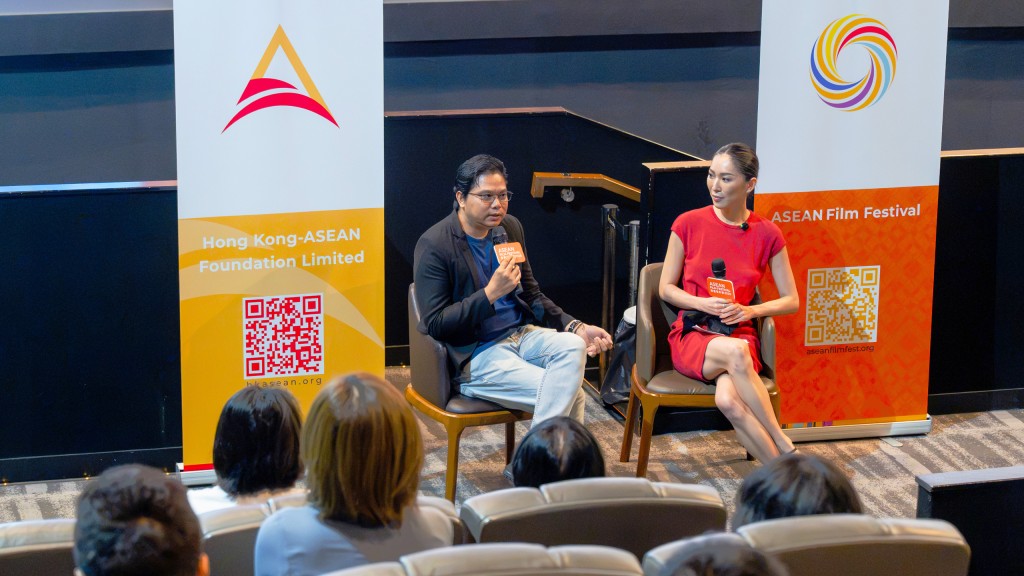
Pyae Zaw Phyo, director of Myanmar’s I Wanna Be Your Lobster..., speaks at a post-screening sharing session.
For Pyae, staging the festival in the city creates not only a showcase for Southeast Asian cinema but also a meeting point where directors and producers can exchange ideas and expertise. He suggested that the network could eventually be extended through filmmaking workshops or an incubator for ASEAN filmmakers.
Taken together, these conversations point to a role for the festival that extends beyond introducing audiences to unfamiliar titles. A screening can offer a glimpse of another place; the conversation afterwards can turn that glimpse into an exchange — between audiences and filmmakers, neighboring film industries and, potentially, future collaborators.

Disclaimer: Any opinions, findings, conclusions or recommendations expressed in these materials/events do not reflect the views of the Government of the Hong Kong Special Administrative Region, the Culture, Sports and Tourism Bureau or the Cultural and Creative Industries Development Agency.