Read More
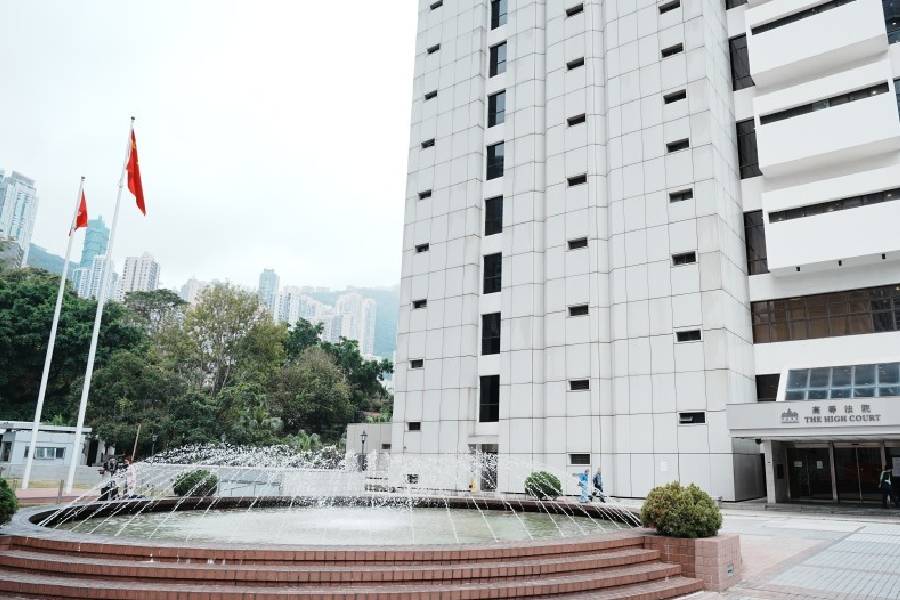
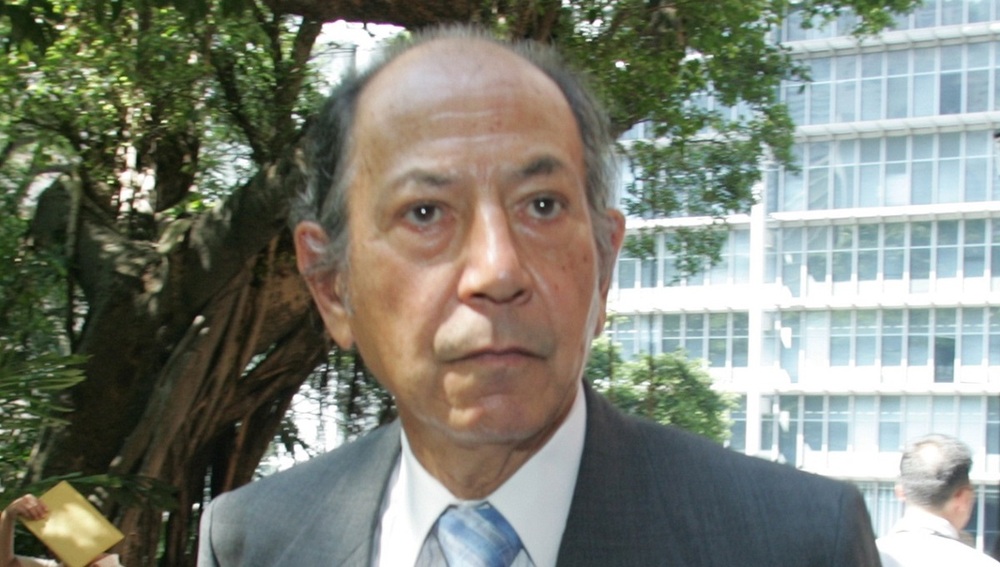
Retired judge Henry Litton criticized High Court judges for their handling of applications by the city's first national security law defendant, saying the court failed to fulfill its constitutional function of judging clearly so that an ordinary citizen can understand.
ADVERTISEMENT
SCROLL TO CONTINUE WITH CONTENT
In an opinion piece in The Standard, the former Court of Final Appeal judge accused the judges of devoting time and space to discussing the defense counsel's challenges over the constitutionality of the security law instead of rejecting them outright.
Litton criticized the judgment given by High Court judges Anderson Chow Ka-ming and Alex Lee Wan-tang when they rejected Tong Ying-kit's application for a writ of habeas corpus on August 21.
Tong, 23, was the first person charged under the security law after he allegedly injured three police officers while riding on a motorcycle and carrying a black flag stating "Liberate Hong Kong, Revolution of our times."
He was charged with one count of incitement of secession and another of engagement in terrorist activities.
Tong applied for a writ of habeas corpus on August 3 this year to challenge the order of West Kowloon chief magistrate Victor So Wai-tak on July 6 to keep him in custody until the next hearing tomorrow.
The judges rejected his appeal, saying the chief magistrate had lawful power or authority to make an order remanding Tong in custody pending the next hearing.
They also ruled that Tong's detention is pursuant to an order of a magistrate made in the ordinary discharge of his judicial functions, and his detention had lawful authority.
Litton said the High Court justices should have ended the judgment with the above discussion, quoting the justices as saying the discussions are sufficient to reject Tong's application.
He criticized them for giving exposure to the issue by continuing to explain their decision with many pages of cases and publications out of respect to the submission by defense senior counsel Philip Dykes.
"If the judgment had ended there, it would have disposed of the whole matter fully and effectively," Litton said.
"The ponderous arguments put forward on the defendant's behalf were met by equally ponderous refutations."
Litton said legal counsel was seeking to impeach national laws in the regional courts yet the High Court did not discharge its prime constitutional responsibility and "nip the mischief in the bud."
Instead justices dismissed the submission with many pages of text that were incomprehensible to ordinary citizens.
He said the judgment in Tong's case showed a lack of discipline and failure on the part of the court to judge effectively and clearly in a manner that the ordinary citizen can understand.
Opinion: Bells are ringing over new game in town
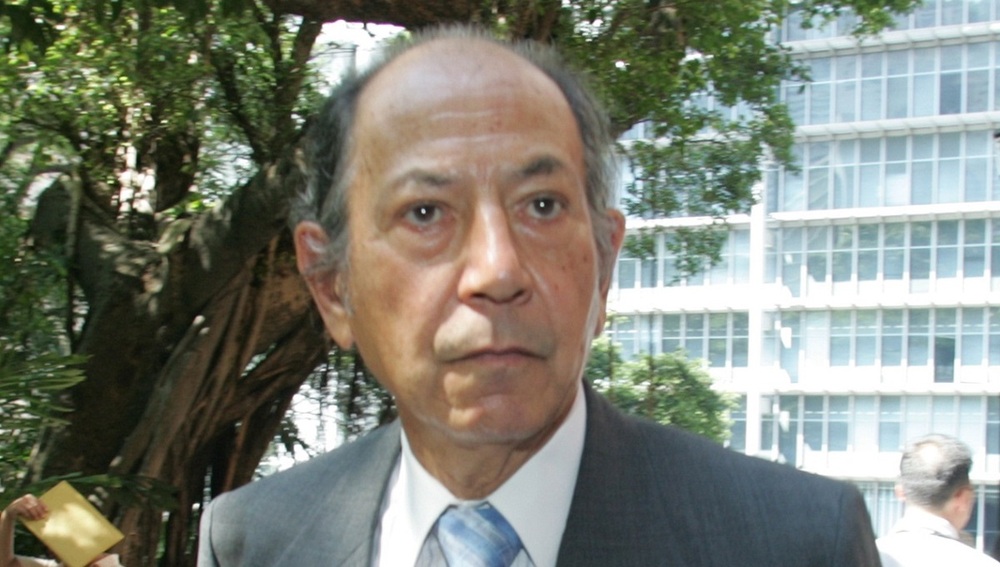
Henry Litton