Read More
Liberal studies textbooks, still carrying sensitive content including seeking foreign intervention to coerce the government into meeting demands, have sparked worries that they could cross the red line under the national security law.
ADVERTISEMENT
SCROLL TO CONTINUE WITH CONTENT
Six publishers had their textbooks reviewed by the Education Bureau in April before the national security law came into effect on June 30.
But teachers called upon the bureau to review the teaching materials again to clear uncertainties, though the bureau has yet to directly respond to the demand.
A source in the publishing industry told Sing Tao Daily, The Standard's sister paper, that the bureau had not called for the liberal studies textbooks to be reviewed again since the new law came into effect.
Publishers had proactively deleted content about "Hong Kong independence" in April, but did not make amendments related to the national security law as it had not been enacted then, sources said.
Teachers said they are concerned that students may mistakenly believe "staging a fight for resistance" could be an option, while they are also afraid that their teaching will violate the security law.
In a liberal studies textbook for senior secondary school students published by Aristo Educational Press, it is mentioned that when public complaints accumulate, people may turn to an aggressive approach.
The textbook states that "they [people who resort to an aggressive approach] will adopt violent methods such as riots and civil wars to confront the government, causing social unrest."
Under the security law, it is a crime to incite anyone to subversion.
Also under scrutiny was Ming Pao Education Publications' textbook, which stated that local groups would consider promoting their cause by bringing it to the international level, attracting attention from around the world, and forcing the government to respond to demands.
That would touch on the security law's prohibition on foreign collusion, which explicitly bans people from demanding foreign sanctions during their activism.
Sing Tao has reached out to the publishers to see if they have revised their textbooks according to the security law.
Aristo Educational Press said changes were made "in reference to the authorities' suggestions" and "based on actual teaching needs."
The Education Bureau said publishers should look into the content of textbooks after the law is introduced so that pupils can have a "correct understanding" about it.
"Textbooks should not include any illegal content with or without the national security law," it added.
More specific guidance about national safety education will be provided as soon as possible, the bureau said.
However, it did not directly comment on whether it will review the publishers' textbooks again.
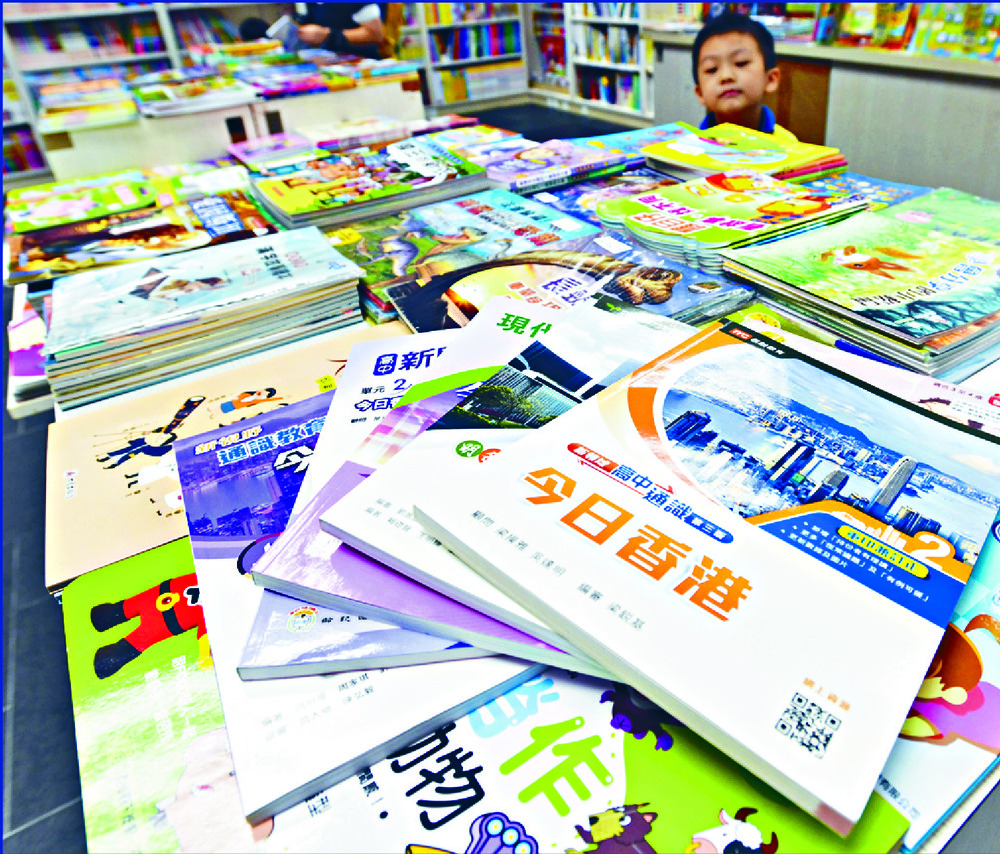
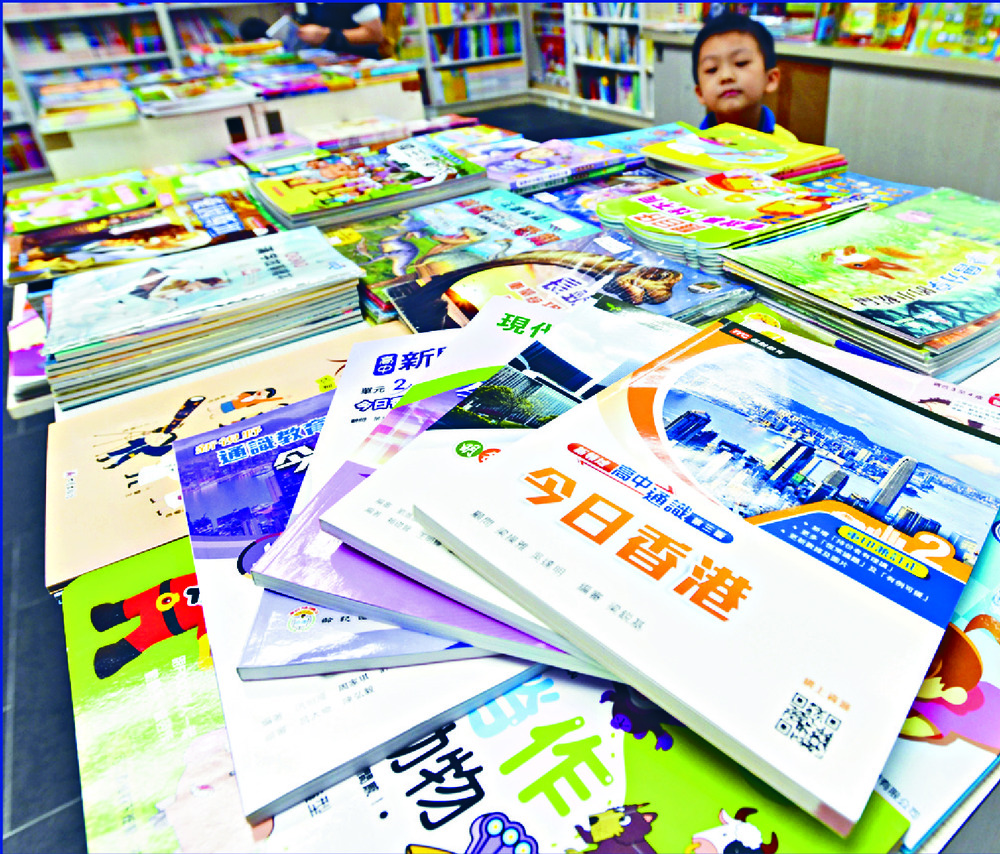
Some textbooks were only reviewed before the security law came into effect.