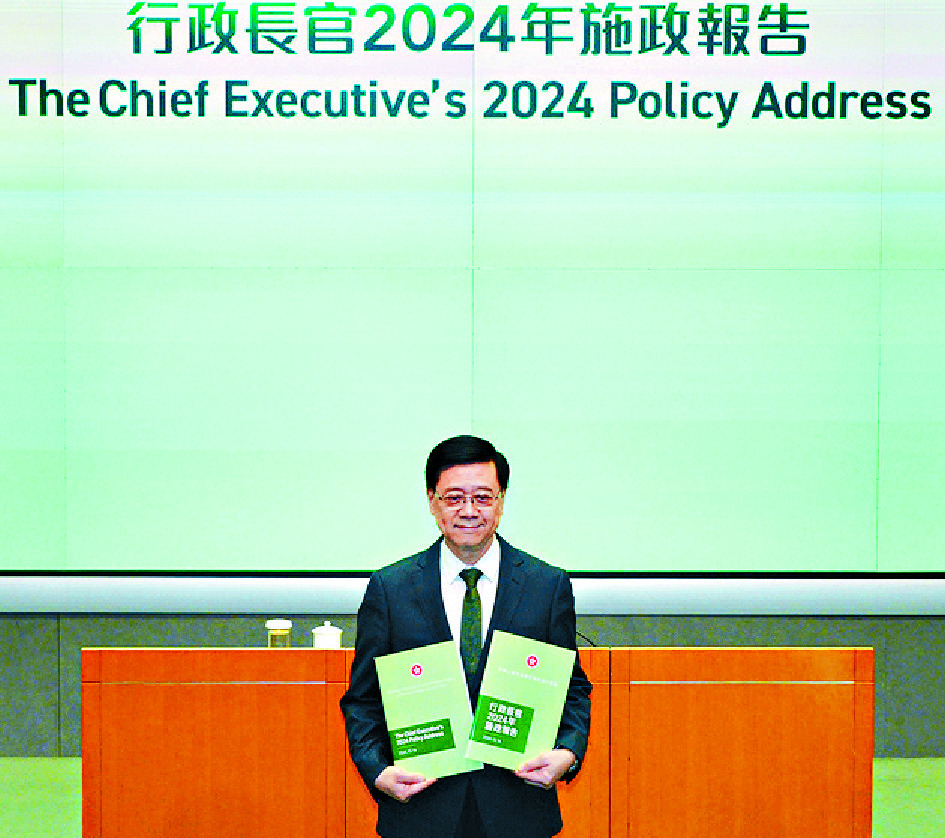
Notice a major difference between the policy address this year and those in the recent past?
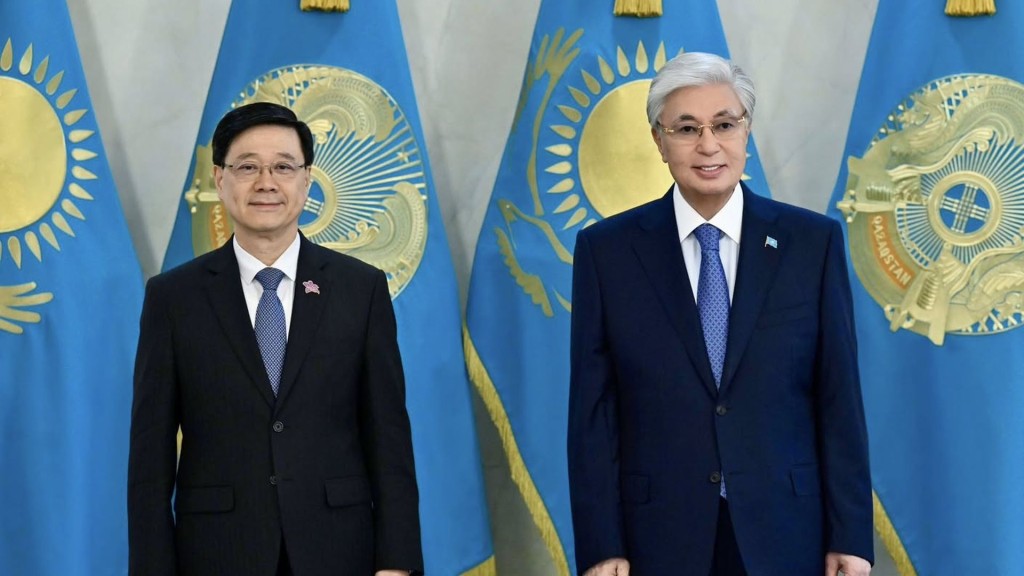
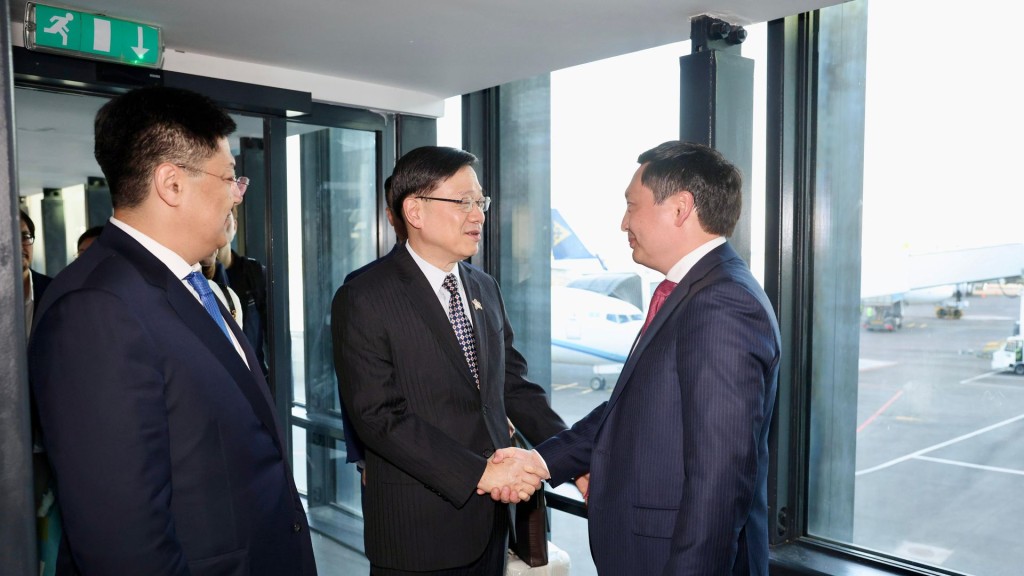
This year, Chief Executive John Lee Ka-chiu reiterated a need to stay vigilant on national security, but with much less time devoted to the issue.
Almost the entire policy speech was devoted to building the economy and improving people's livelihood.
This made sense. If the city was really heading from governance to prosperity, as asserted, it should also start talking more about the economy.
Perhaps the city's leader was heeding advice from senior patriots - including Rita Fan Hsu Lai-tai, a former National People's Congress Standing Committee member - that it was unnecessary to keep mentioning national security day in, day out.
In his policy address, Lee devoted relatively much more space to the economy and people's livelihood.
A major highlight must be the move to standardize the maximum a home buyer may borrow from a bank.
With just a few words, the loan-to-value ratio for residential property mortgage loans was standardized at 70 percent - a level last seen before 2009.
While this will help home buyers secure mortgages in the current uncertain market, it will also likely help restore stability to the property sector.
This is consistent with what is occurring in the mainland, where authorities have eventually recognized an urgent need to stabilize the property market.
Allowing a free fall in the property sector would cause more harm than good to the economy overall.
In addition to making mortgages more accessible, the door is also opened a little wider to allow foreign investors to count part of their luxury units purchased in the SAR towards the HK$30 million investment requirement under the New Capital Investment Entrant scheme.
These updated tools alone will not cause the property market to go up unless the economy warms at the same time, but they should help improve sentiment.
The threshold will be rather high, however.
Scheme applicants would have to invest in luxury properties costing at least HK$50 million in order to count HK$10 million of the amount towards the HK$30 million investment sum required.
Policy makers are obviously trying to strike a balance.
The undertaking to legislate to set minimum standards for subdivided units is also a welcome move as these substandard living spaces have long been a major concern and the issue has to be addressed for good.
Renaming subdivided flats as "basic housing units" may remove the social stigma inhabitants face but it risks formalizing these living spaces when, until now, public housing has always been considered by many as the "basic."
Will standardized subdivided flats replace public housing as the basic? That would be a concern.
Meanwhile, the low-altitude economy is viewed by mainland decision makers as a major economic driver. It is hoped that Lee's pledge to launch a new working group to explore how Hong Kong can benefit from the concept will pave the way for the city to catch up in this respect.
But this will be easier said than done as a low-altitude economy - while being conceptual - remains far from where it can truly claim to be an industry.
Overall in this policy address, one may find less rhetoric but more substance.