The country is bracing for another "explosive" wildfire season after last year's marked the worst that Canadians have ever known, according to federal officials.
There are multiple indications for major risk, including a warmer-than-normal winter that left little snow accumulation on the ground, compounding droughts in several regions.
"With the heat and dryness across the country, we can expect that the wildfire season will start sooner and end later and potentially be more explosive," emergency preparedness minister Harjit Sajjan said.
"The temperature trends are very concerning," he added, pointing to possibly devastating impacts, notably in the provinces of Ontario, Alberta and British Columbia.
To meet these threats, Ottawa is planning to train an additional 1,000 forest firefighters, and will double a tax credit available to volunteer firefighters.
It will also provide C$256 million (HK$1.45 billion) to the provinces and territories to buy specialized equipment.
"Wildfires have always occurred across Canada. What is new is their frequency and their intensity," natural resources minister Jonathan Wilkinson said.
"And the science is clear. The root cause of this is climate change."
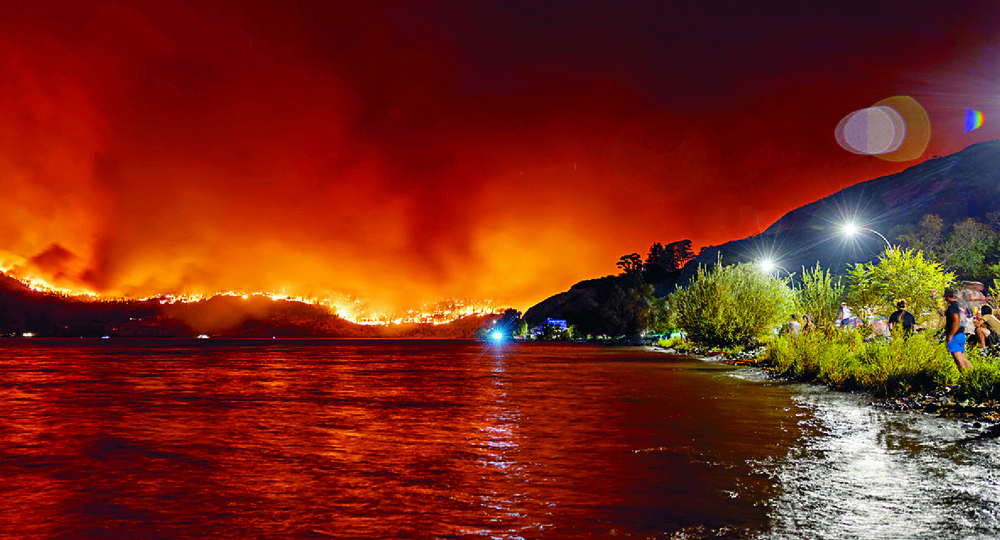
The 2023 wildfire season - "the worst season that Canadians have ever seen," said Sajjan - cost the lives of eight firefighters and displaced 230,000 people.
More than 15 million hectares of forest went up in smoke during the season
Residents watch the McDougall Creek wildfire in West Kelowna, British Columbia, in August last year. AFP