Medical groups are expanding in the market and rushing to rent big commercial buildings in prosperous districts.
The pandemic has raised public awareness of the need for health care and hygiene, which has led to a surge in demand for medical-related services, and sales of private medical service buildings have risen steadily.
Rents of shops and office buildings have fallen, and medical services have taken the opportunity to expand aggressively.
Marcos Chan, the executive director and head of research at CBRE, said office rents had dropped by about 30 percent from the peak in 2019, while rents for street shops also fell by nearly 40 to 50 percent from the high point of that year.
Due to factors such as the pandemic, compared with traditional tenants, affordability among medical-business practitioners is relatively high, making it more conducive for them to find shops.
Banks forecast that the medical sector will need more than one million square feet of space for expansion in the next two to three years, said Chan. The next year and a half will be the peak period for the supply of office buildings.
It is believed that this phenomenon will persist in the short term. However, Chan said some owners were reluctant to rent to medical clinics that can diagnose infectious diseases, and only offered a lease to non-infectious specialist medical or physical examination centers.
He said that many medical groups intend to develop "medical buildings," concentrating on medical brands of the same group in the same building to achieve economies of scale.
In addition to sharing and reducing costs, it can also prevent the loss of customers, he added.
"The doctor can refer them to other medical or diagnostic services in the same building and within the same group," said Chan.
He also pointed out that the level of medical professionalism in the SAR is high. Due to the epidemic, fewer mainlanders have come here, but it is believed that Hong Kong will still be at the center of medical tourism in the future.
Therefore, the expansion of the medical sector is tantamount to preparing for a border reopening, he said.
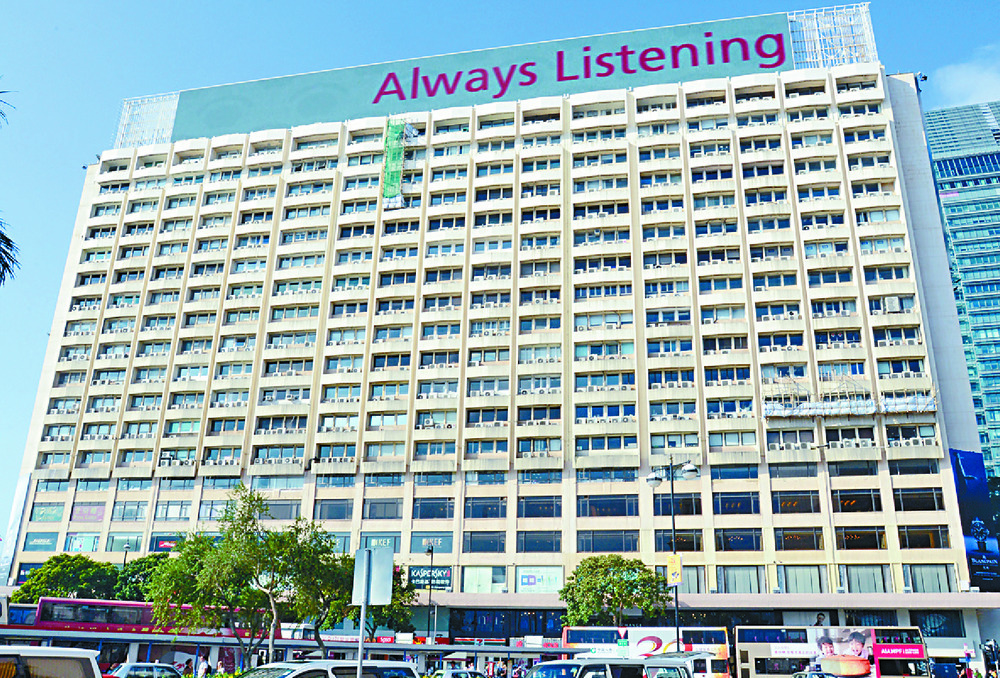
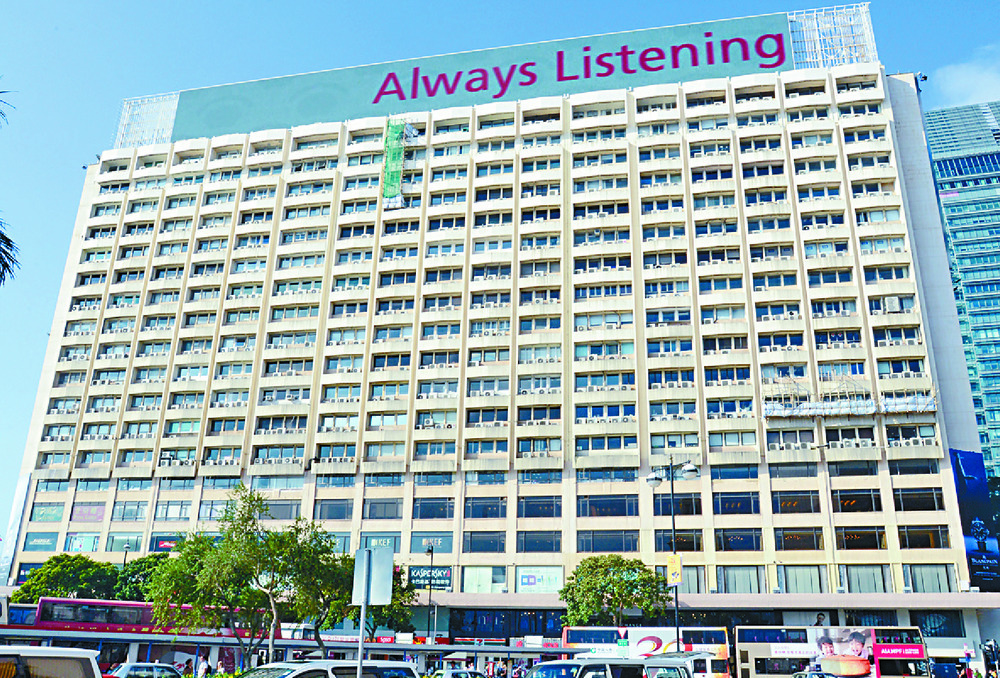
Many medical groups are renting Grade-A office buildings with high costs this year, showing the optimistic view of the medical market. Human Health Holdings rented a 38,000-square-foot duplex shop on the ground floor and the first floor of Star House in Tsim Sha Tsui in mid-February, the most eye-catching transaction in the first half of the year.
Its executive director, Poon Chun-pong, said the group will open an integrated health mall there to provide one-stop medical services and health technology such as specialists, medical beauty, hair care, physical examination and nutritionist services.
It also plans to launch services such as health lectures, light physical examinations and aromatherapy treatments, Poon added.
Although demand for medical services in general practice and some specialties have dropped, the people of Hong Kong are paying more attention to health care and disease prevention.
Many related products and services - for example, physical examinations, vaccinations, nutrition consultations, health-care products and anti-epidemic products - have continued to grow and the construction of a health mall will expand these markets.
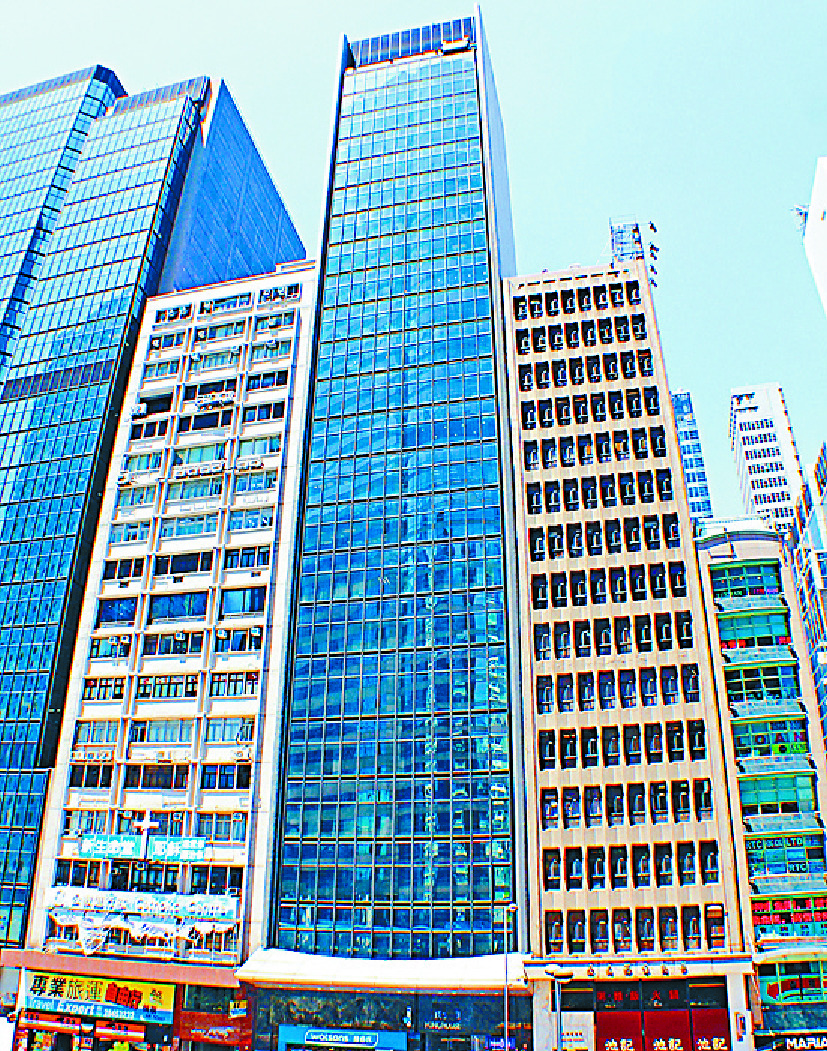
EC Healthcare has recently leased seven floors of Fung House in Central to open a flagship center for integrated medical services with a total floor area of 22,000 square feet, which provide physical therapy and other services.
It is reported that the group has also acquired a stake in a redevelopment project on Cameron Road, with a price of more than HK$200 million, that offers 100,000 square feet, mainly for use as medical centers and for other purposes.