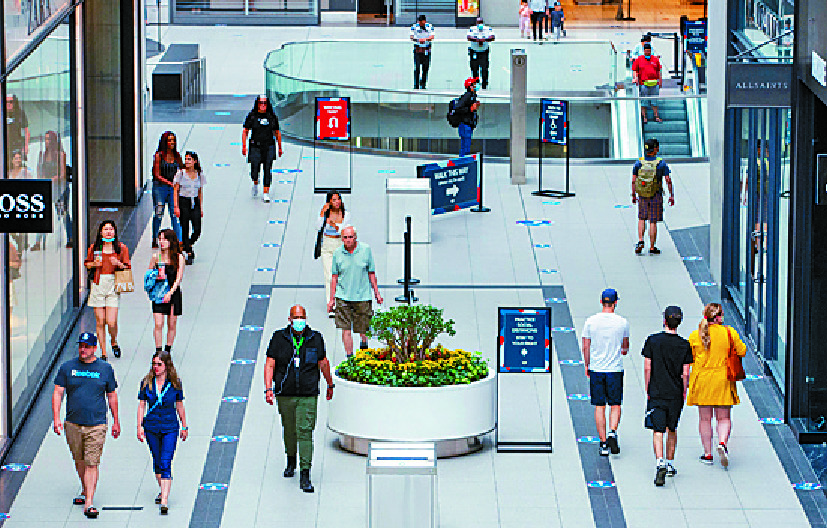
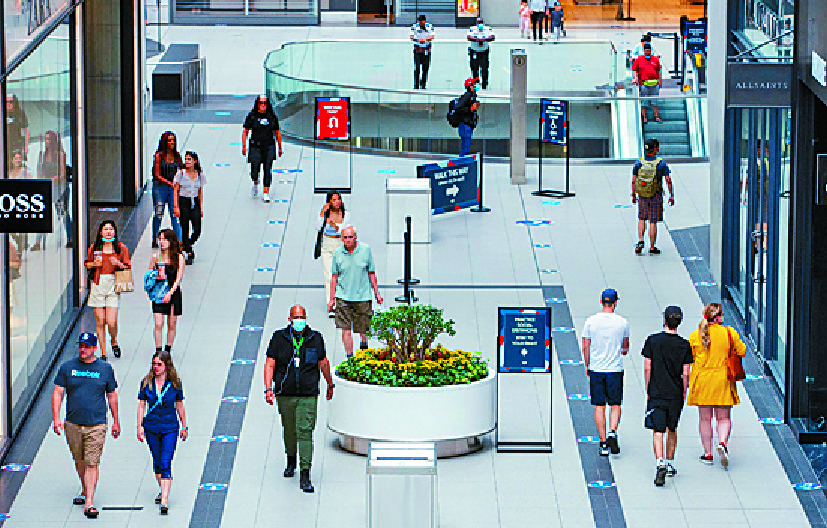
The glory days of traditional shopping malls in Canada seem to have come to an end as the pandemic has revolutionized consumption habits.
So many malls are set to be rebuilt in the coming years - for with the uniform designs, chain retailers and food courts without special features in malls have lost their appeal.
Apart from the online shopping boom amid the pandemic many office workers who used to live in city centers have moved to the suburbs, forcing owners of traditional malls to transform, the Toronto Star noted.
Many shopping centers in the greater Toronto area such as Yorkdale and Square One will be among those undergoing major changes. Some will have high-rise buildings and parks built around them while others will be demolished to be rebuilt.
Traffic to Canada's top 10 malls fell 42 percent according to recent data, reflecting the fact that the essential function of malls in people's lives has begun to disappear.
The phenomenon of "de-malling" is accelerating, according to a study by accounting firm Deloitte.
Jane Domenico, senior vice president and the national lead of retail services for real estate management services with Colliers (Canada), is among those who stress the status of malls has changed. Covid has put many stores in difficult situations, and the traditional retail industry is heading toward the end, she said.
But the Retail Council of Canada's senior retail adviser, Michael LeBlanc, said that factors that are changing the status of malls, including online stores and work-from-home models, are leading to a boom in many suburban malls.
LeBlanc thinks these malls are changing the traditional approach. Some retail tenants and even online brands are taking note of the value of regional bricks-and-mortar stores, he said.
Retail analyst Lisa Hutcheson thinks shopping malls will become more localized and community-centric, moving toward a "15-minute circle of life" in which everything needed is close to homes whether in a city or suburbs.
There are already some shopping centers in Canada that are good examples of the future model, such as the Brentwood town center in Burnaby, British Columbia, she said.
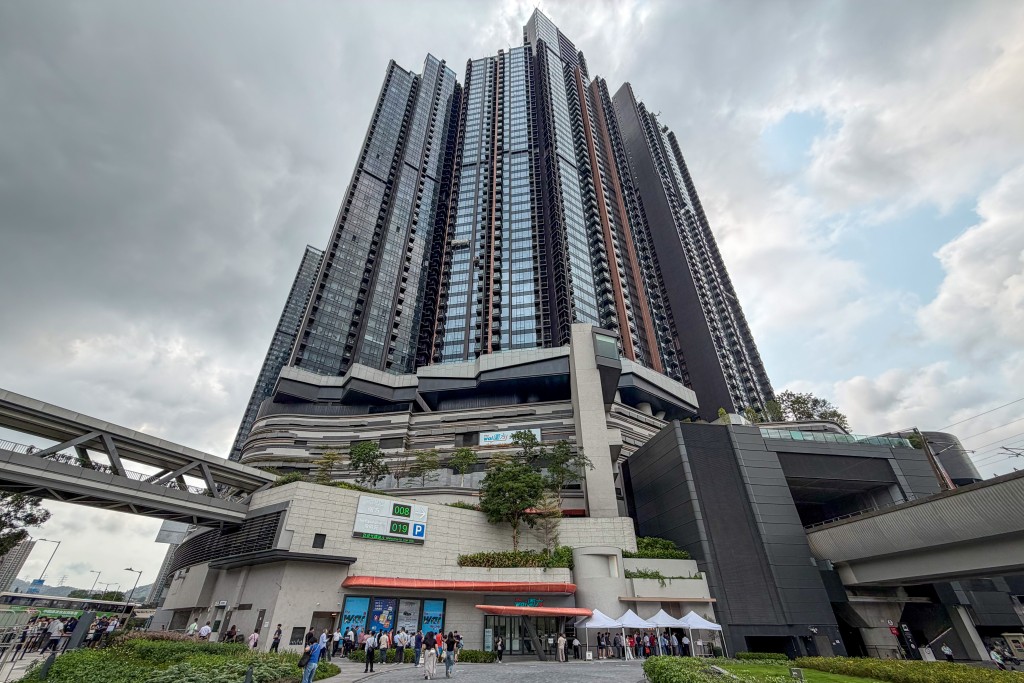
These are mixed-use projects, which combine retail, office space and housing that are also often located near public transport stations and are constantly adding entertainment and dining options to attract residents.