Read More

Phase 3 of One Victoria Cove to launch sales arrangement soon
03-05-2026 17:47 HKT
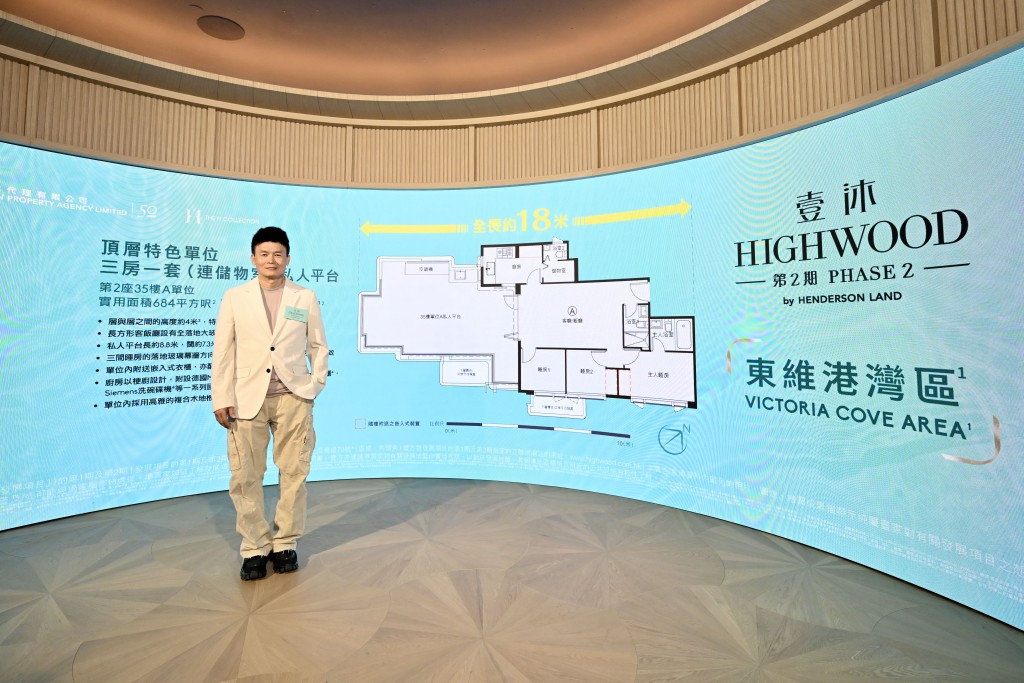
Phase 2 of Highwood gets over 700 checks for 146 flats
03-05-2026 16:30 HKT


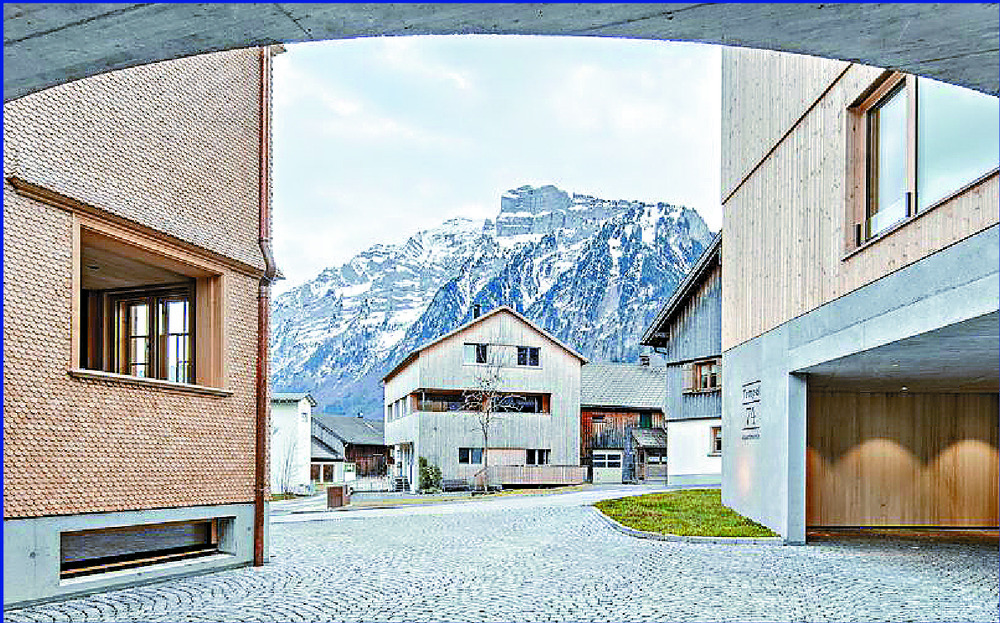
Austria's verdant Vorarlberg region is a pioneer in sustainable design, attracting legions of architects and curious visitors who draw inspiration from its breathtaking buildings.
Communities in the westernmost state of the Alpine country have opted for beauty, comfort and a careful use of resources since the 1960s.
"Every time I come here, I get a big kick out of it. They're 35 years ahead of us," said Pierre Leroy, deputy mayor of Puy-Saint-Andre and part of a French delegation of architects and officials on a study trip to Vorarlberg.
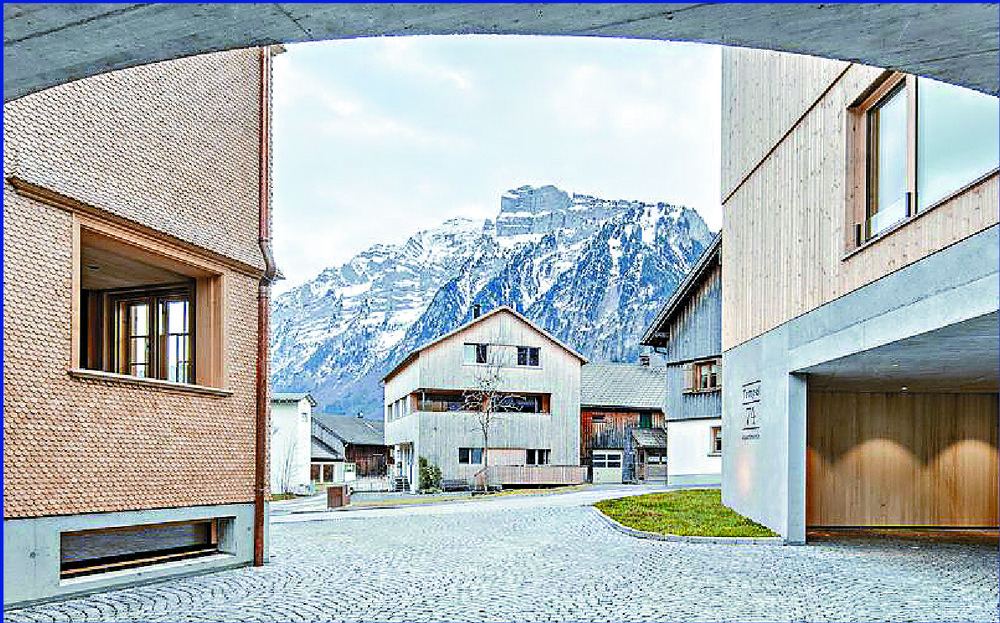
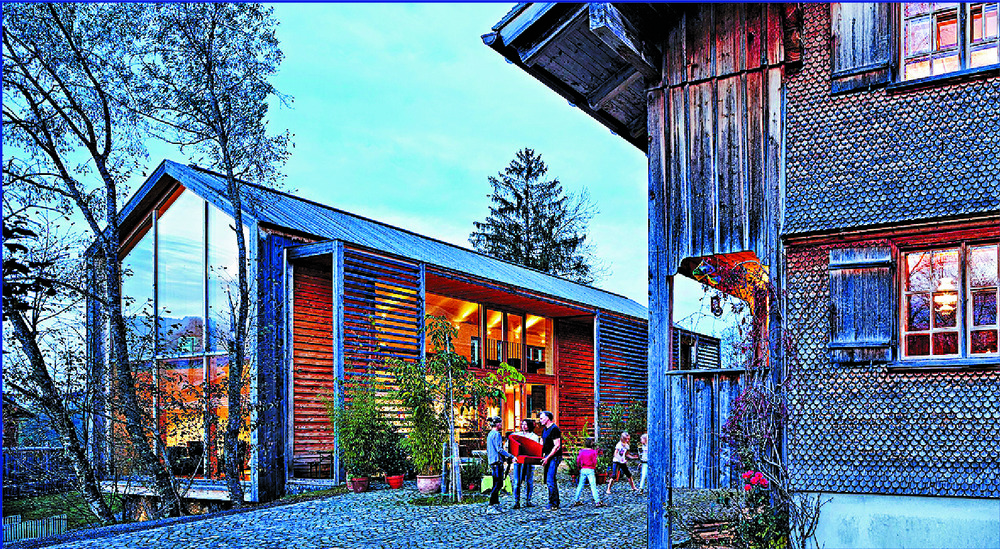
Vorarlberg's sustainable architecture is often referred to as "Baukultur" and crops up across the region - from collective housing projects to schools and factories. There is a preference for local building materials: white pine and earth replace concrete whenever possible.
Architecture in Vorarlberg is defined by its clear, compact and functional design, but it does not cut corners on aesthetics.
As well as architects, the region's carpenters and craftspeople enjoy great international recognition and are in high demand.
Economy is a guiding principle of the "Vorarlberg school," which does not shy away from using prefabricated parts to reduce costs - and prioritizes energy efficiency.
A lot of houses in the region are built to "passive house" standards, which denote buildings with minimal energy needs due to perfected insulation, specific ventilation and the installation of solar panels and heat pumps.
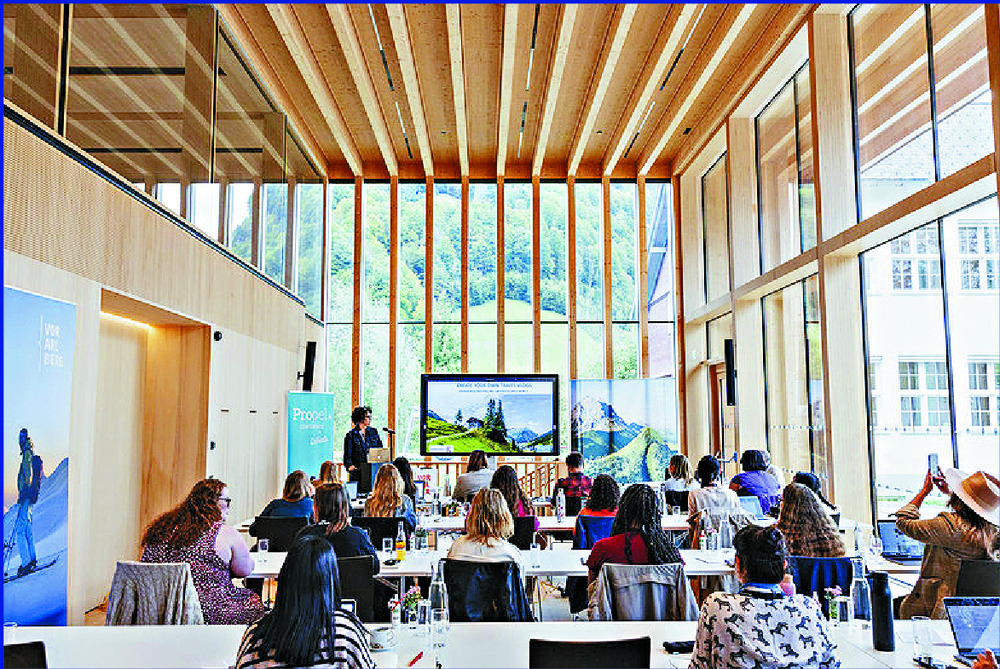
A community house in the village of Krumbach makes use of massive triple glazing, while the local Metzler cheese factory was made entirely out of wood and is almost self-sufficient due to its geothermal and solar heating.
The renovated Zwischenwasser town hall meanwhile has reduced its heating needs by a factor of four.
The Vorarlberg region, with its 400,000 inhabitants and 150 architectural offices, boasts an abundance of wood, hydroelectricity and a flourishing economy.
The ingenuity of its people plays a big part too - they have a reputation for being down to earth and proactive.
Residents in Krumbach also welcomed collective housing projects instead of separate houses without resistance.
The state government has supported the ecological movement, with considerable subsidies for housing based on strict criteria since 2001.
These include the quality of indoor air and usage of ecological materials, while prohibiting coal, electric convectors, and PVC in floor coverings.
Some experts wonder whether the successes seen in Vorarlberg can be repeated elsewhere.