Read More








The Death of Late Night? What Colbert’s Final Bow on May 21 Means for TV
18-05-2026 21:09 HKT



ImmD crackdown targets moonlighting domestic helpers arresting 17
19-05-2026 17:52 HKT

Last week, I described how a scuba diver could still dive despite his body density being close to unity.
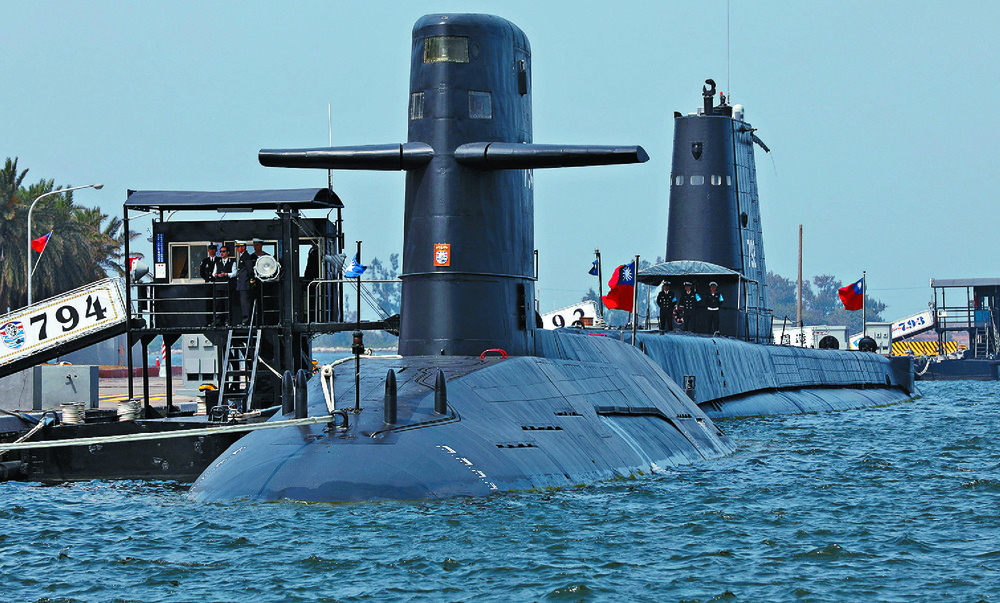
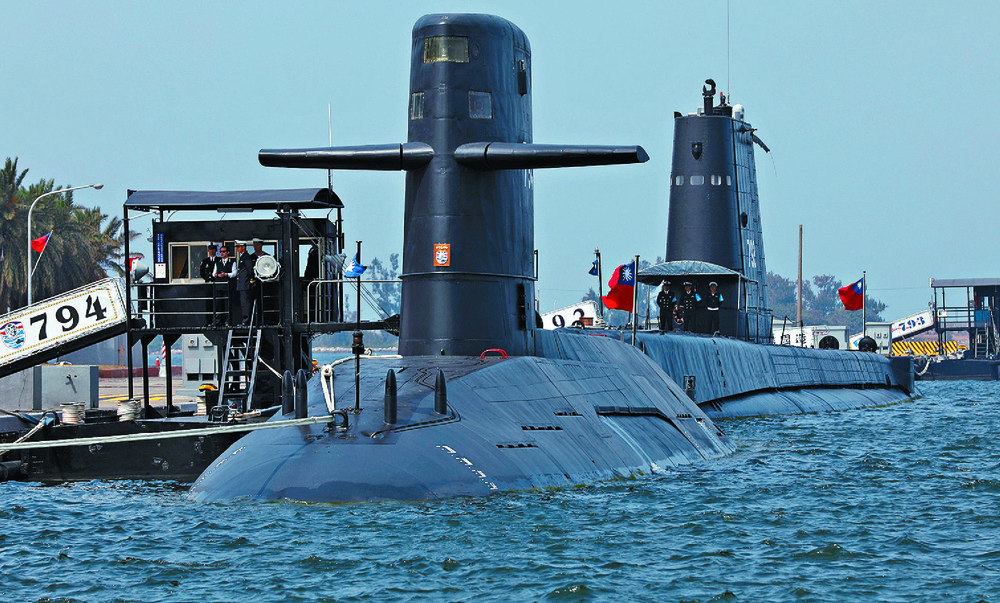
Let me try and describe how a submarine works.
Following similar principles, a submarine is an enclosed boat with density approximately at unity, but extra ballast weights allow it to sink deep into the sea.
It has facilities and processes to ensure that the air circulated inside have enough oxygen to ensure its personnel can breathe, and the carbon dioxide removed.
To withstand high pressure when the sub dives deep, the main hull is normally cylindrical in shape, as round surfaces are more efficient in withstanding high pressure. The shape is usually slender and long to allow for stealth and to carry passengers for naval activities.
Inside, apart from the space to house machinery, the cabin must be large enough to allow navy officers to work and rest, though obviously these spaces will be small to save on space, while still allowing quick movements during times of combat.
The sub dives by filling up the ballast tanks, located at the front and rear to leave maximum available space or personnel and machinery.
The relative filling of the tanks can help adjust the inclination of the vessel.
When it needs to surface, air is pumped into the ballast tanks to displace water, providing the necessary buoyancy.
The nose is usually a round half-sphere to allow for smooth water flow at forward motion, and to allow sonar sensors to be installed to detect objects in front and at all sides.
That is because normal GPS systems do not work underwater.
Visual detection to avoid collisions is not practical as the sub does not have large windows and in any event, visibility is limited by the absence of light at depth.
To allow naval officers to see above-water surroundings, the sub is normally berthed just beneath the surface to hide, and a periscope is used instead.
Forward movement is by propellers or by pump jets, and direction control is by rudders.
Many modern subs are nuclear powered as it minimizes the need to refuel frequently during combat or surveillance.
They are extremely useful and powerful in naval operations, launching stealth missiles and laying mines.
They can also operate for prolonged periods, enabling them to be used for surveillance and protection from attacks, especially along the coasts.
One can see that they are extremely expensive and not easily affordable by most countries. The technology involved in designing, operating and maintaining them also limits the number of countries who may be able to build and use them.
For First World countries, naval fleets often include submarines to support aircraft carriers and other vessels and provide a full range of sea-based attacks and defense weapons to protect coasts.
Vessels designed for combat and defense are much more sophisticated than merchant ships. They are comparatively nimble, fast and maneuverable, and fuel efficiency is not a main concern.
Naval engineers have different objectives in machine design. Efficiency is not essential but the ability to move fast, carry large pieces of missiles. and stealth movements are useful advantages.
Veteran engineer Edmund Leung Kwong-ho casts an expert eye over features of modern life.