
Read More





Night Recap - June 8, 2026
2 hours ago
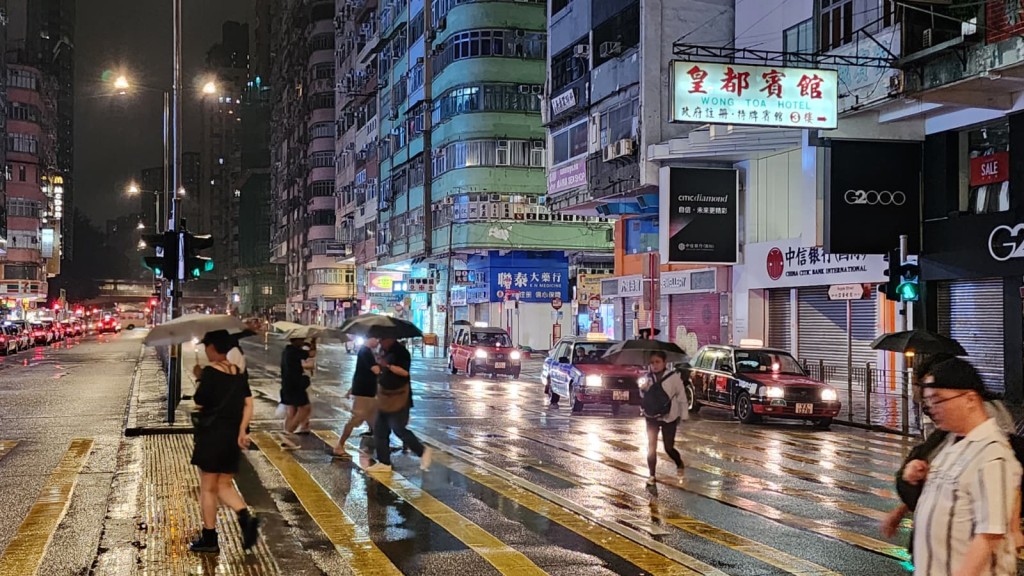






Observatory warns of squally thunderstorms and heavy rain through Tue
07-06-2026 14:48 HKT
The Hong Kong film industry is facing challenges to capitalize on the growing trend of streaming platforms, as filmmakers hope the government can use more diversified ways to subsidize the movie production.
Federation of Hong Kong Filmmakers spokesman Tenky Tin Kai-man said the industry is taking a hit due to the slow economy and the impact of streaming platforms. "Movies were also debuted in cinemas, but now audiences will wait till the movies are available on streaming platforms. Cinemas can also attract audiences with 3D movies, but now it is no longer working," Tin said.
He also said streaming platforms are purchasing films in the Asian market, but it is hard for Hong Kong to benefit from it, as popular Chinese-language films are usually incorporated with elements including supernatural, LGBTQ+ or crime genres. "These were strengths of local films, but their prominence diminished as filmmakers eyed the mainland market and had to comply with the mainland's film censorship requirements," Tin said.
Without the financial support from streaming platforms, filmmakers had to rely heavily on government support through the Film Development Fund, but film director Amos Wong Ho-yin said it is hard for independent films to secure government funding."I made five films, only the first two were subsidized. I feel that there is a higher and more complicated threshold for independent films to get subsidies from the government," Wong said. "I hope there will be more ways of getting subsidies to let all kinds of filmmakers bloom together."
Angela Law Tsin-fung, assistant professor and program leader of Creative Writing and Film Arts at the Hong Kong Metropolitan University, said Hong Kong might be able to take reference from the success of mainland animation film Nezha 2."But the film's success was based on its massive box office and reputation after its popularity in the mainland before coming to Hong Kong and creating a trend," she added.