






Read More







Morning Recap - July 27, 2026
11 hours ago

Ocean Park cable car sends passengers on swing as typhoon winds blow
26-07-2026 18:05 HKT

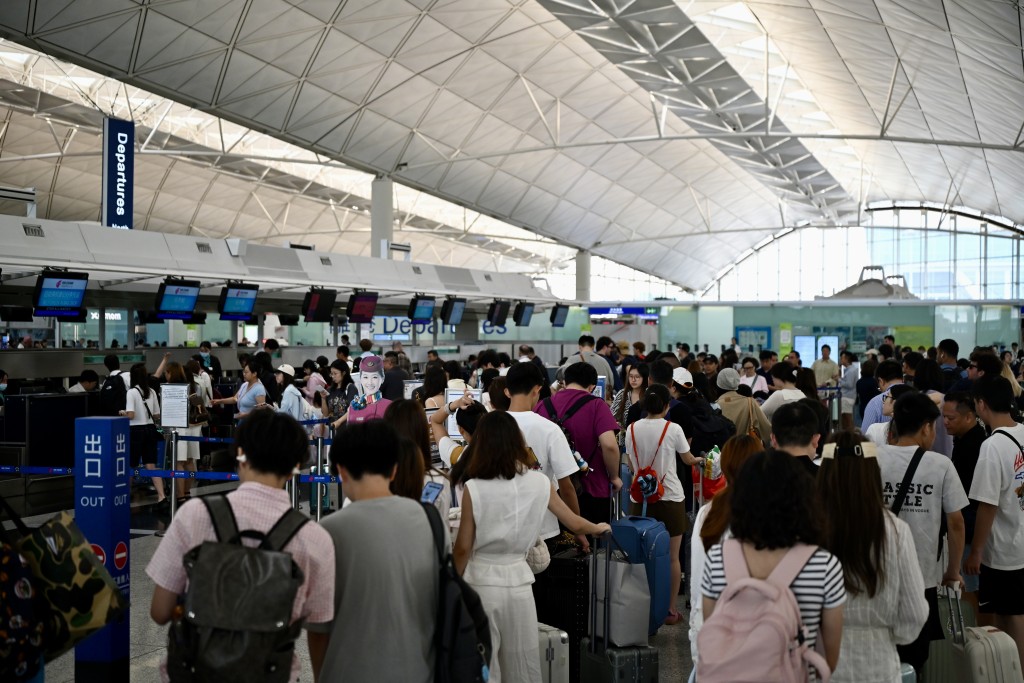
About 350 flights canceled as airport works to resume afternoon operations
26-07-2026 12:47 HKT


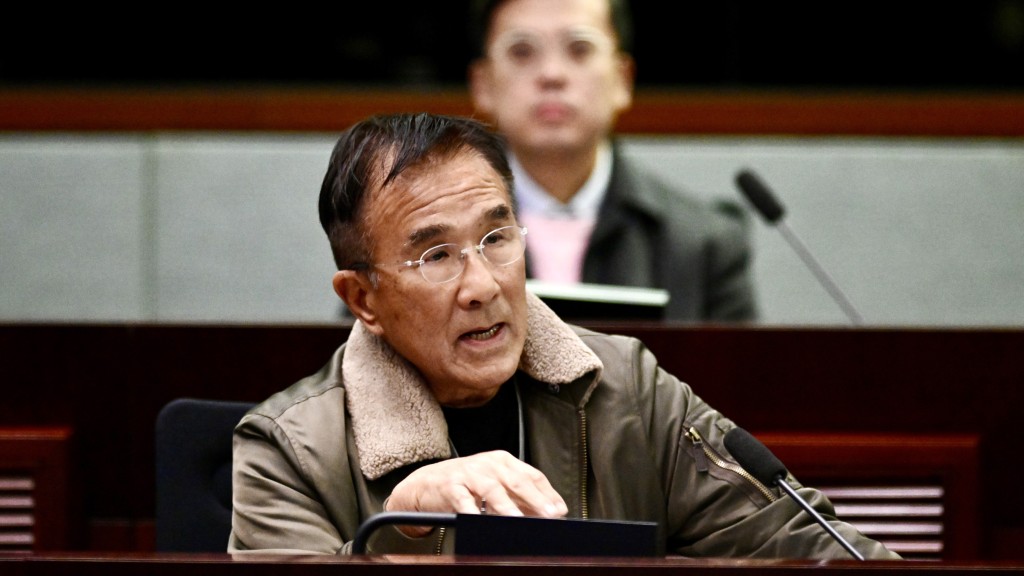
Former lawmaker Michael Tien Puk-sun has warned that the upcoming civil service appraisal reforms could prove toothless for senior staff on maximum salaries, urging the government to freeze the annual pay adjustment of those with substandard ratings to strengthen deterrence.
His remarks followed an announcement by Secretary for the Civil Service Ingrid Yeung Ho Poi-yan that the first phase of an enhanced appraisal framework will be rolled out this October.
Under the new system, at least 5 percent of underperforming civil servants will have their annual salary increments withheld.
Writing on his Facebook page on Monday, Tien, convenor of Roundtable, said he had initially supported the government’s revamped system, yet two key details in the final arrangement have raised serious reservations.
He pointed out that of the city's 170,000 civil servants, an estimated 40,000 to 50,000 have already reached the ceiling of their respective pay scales.
Tien warned that if the bottom 5 percent of performers—amounting to roughly 8,500 staff rated between levels four and six—largely belong to this top-tier demographic, the financial penalty becomes entirely meaningless, as they have no future increments left to lose.
He raised concerns that poor-performing employees on peak salaries might adopt a passive and slack working attitude, rendering the system ineffective.
He cautioned that this could inadvertently penalize lower-ranking staff while shielding senior personnel, leaving only 2 to 3 percent of junior civil servants facing actual consequences.
Tien urged that maximum-salaried staff with subpar appraisal grades of four to six should be denied annual salary adjustments to establish genuine deterrence.
Tien also strongly opposed allowing civil servants who receive poor reviews to have their frozen increments restored if they show satisfactory improvement during a six-month reassessment.
He argued that the suspension of pay increments is designed to carry long-term ripple effects, delaying staff’s progression to maximum salaries and impacting their overall career earnings. Allowing a mid-year recovery would completely neutralize this deterrent.
He further noted that supervisors would be reluctant to issue negative appraisal results again after six months, which could reduce the actual number of penalized staff to less than 1 percent of the entire civil service workforce, an outcome he believed to be unacceptable to the public.
Tien urged the government to scrap the six-month reassessment arrangement and maintain a unified annual evaluation cycle instead.