Read More





Night Recap - May 21, 2026
3 hours ago





ImmD crackdown targets moonlighting domestic helpers arresting 17
19-05-2026 17:52 HKT

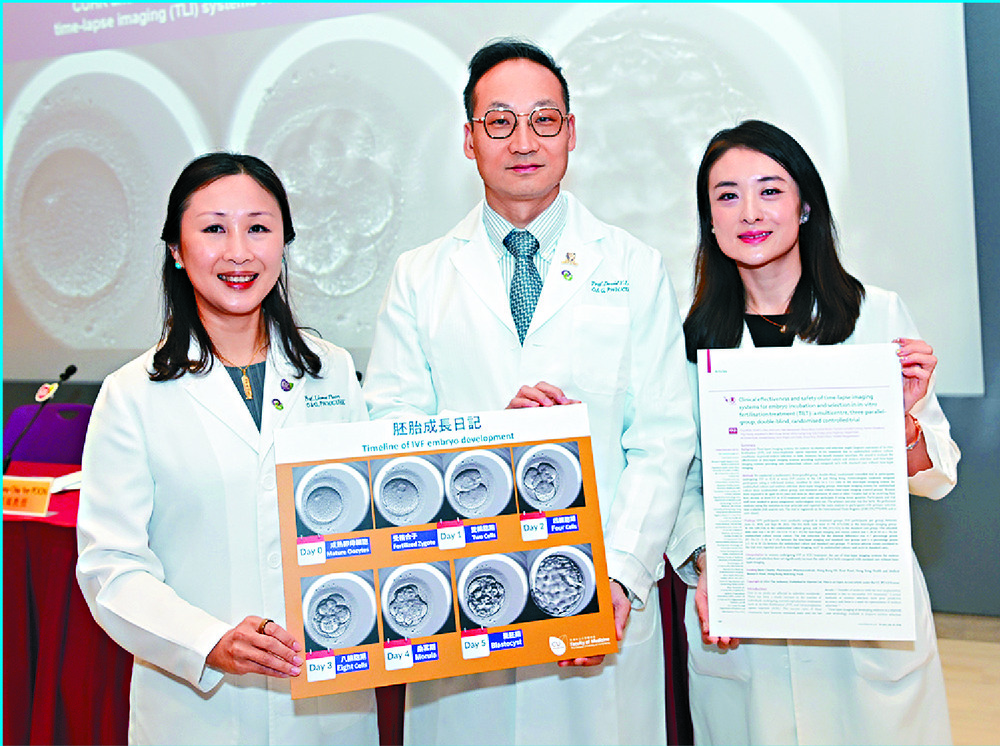
Time-lapse imaging systems for embryo incubation and selection during in vitro fertilization do not offer better clinical outcomes than conventional methods, according to researchers.
Roughly one in every six people of reproductive age experience infertility in their lifetime, according to the World Health Organization.
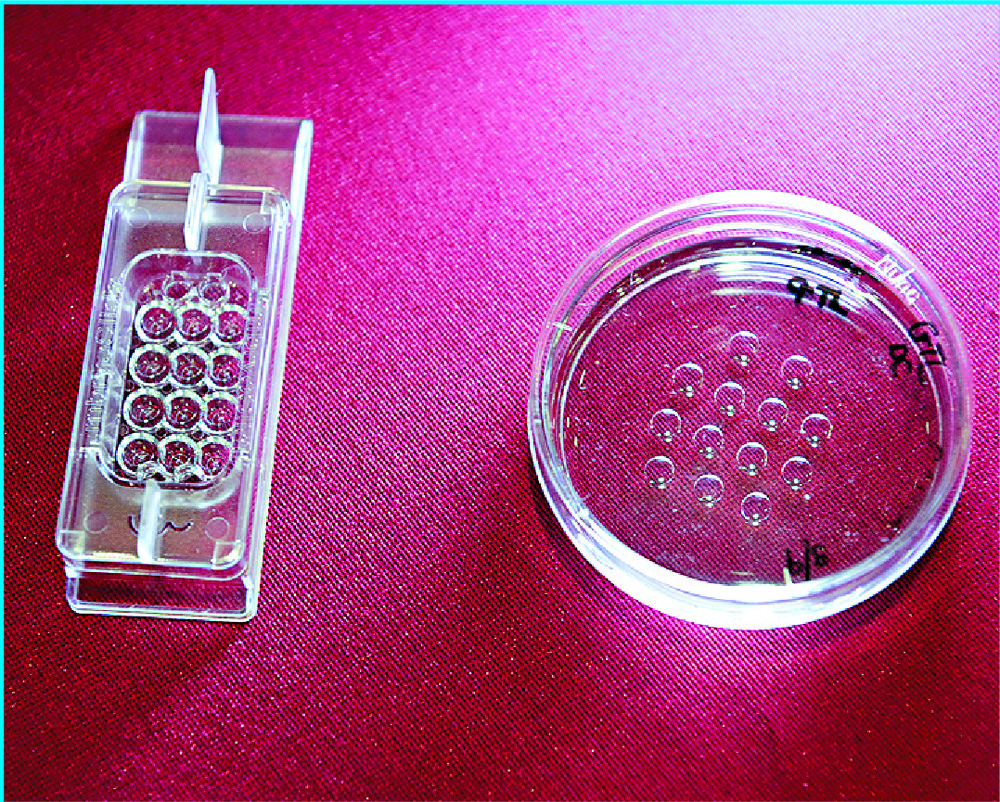
The conventional method for embryo incubation and selection requires daily observation by an embryologist and moving the incubator can disturb the embryo, said CUHK assistant professor David Chan Yiu-leung.
TLI systems allow for the direct monitoring and evaluation of embryos within an incubator without the need to remove them for observation.An internal camera, microscope and computer captures images of the embryos every five to 15 minutes to generate a series of developmental images. These images, combined with the morphokinetics embryo assessment method, assist in selecting the best embryos for uterine implantation.
Chan said TLI is available at all private IVF centers in Hong Kong as well as two public hospitals.Regarding cost, Chan said private centers may charge an additional fee of up to HK$10,000. He also said one machine costs several hundred thousand to several million Hong Kong dollars.
While TLI has been common practice in IVF laboratories for over a decade, its clinical effectiveness remains controversial, Chan said.Between June 2018 and September 2022, Chan and Priya Bhide, a reproductive medicine expert from Queen Mary, co-led a randomized controlled trial of over 1,500 participants, with one-third of cases comprised of Hongkongers undergoing IVF.
Results showed no significant statistical difference in the live birth rates of embryos and clinical pregnancy rates among TLI-based embryo selection, standard static assessment using undisturbed culture and conventional assessment using a light microscope and standard embryo culture in standard incubators."The findings from this study could prompt IVF clinics to reconsider how they budget for equipment. Instead of investing heavily in TLI machines, they could focus more on equipment that has a direct, measurable impact on live birth rates," Chung said.
adelyn.lau@singtaonewscorp.com