Uber warned on Thursday that capping the number of ride-hailing licenses at 15,000 could cut the number of active drivers by more than half, double passenger waiting times during peak hours and push fares up by as much as 70 percent.
The warning came after a government paper submitted to the Legislative Council cited public suggestions to limit ride-hailing licenses to between 10,000 and 15,000.
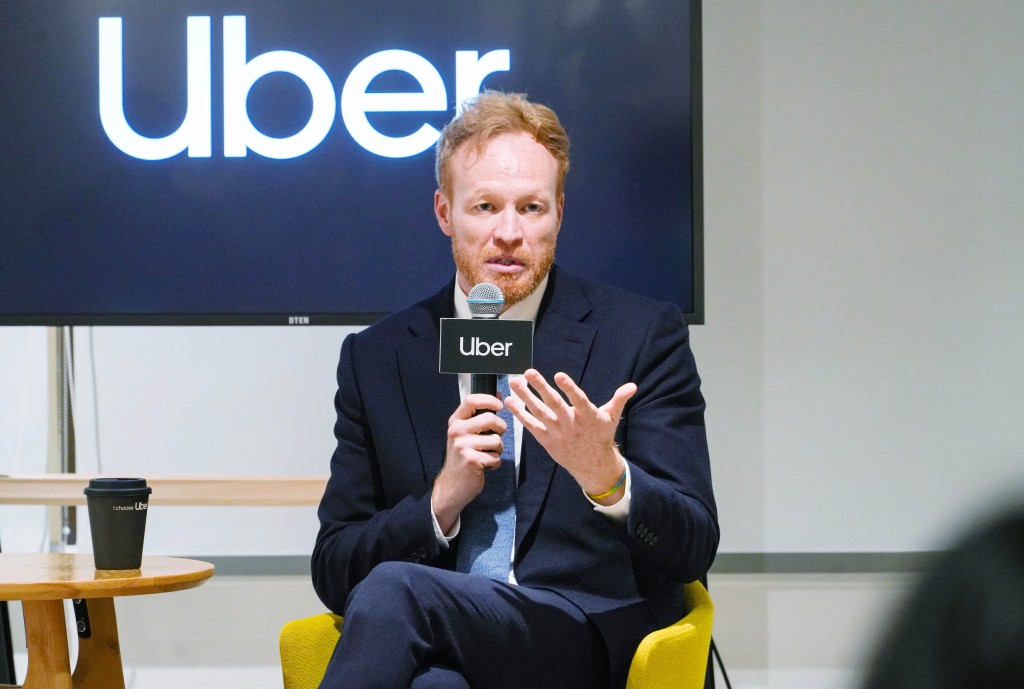
Andrew Byrne, Uber’s global head of public policy, said there are currently more than 30,000 active drivers on the platform, and any cap below the current market size could disrupt services.
He said the existing number of ride-hailing vehicles reflected market demand and the number of drivers seeking income. While acknowledging that Hong Kong is a unique market, Byrne described a strict hard cap on licenses as “unusual” compared with mainland China, Australia, London and most other major international cities.
He said those markets generally allow demand to determine how many drivers are needed, enabling platforms to match supply and demand more effectively.
Byrne added that around 60 percent of Uber drivers work fewer than 20 hours a week, and strict operating thresholds could undermine the flexibility many drivers rely on.
He ruled out Uber withdrawing from Hong Kong, saying the platform is willing to comply with local regulatory requirements and share operational data with authorities.
Byrne urged the government to conduct a thorough assessment of the proposed regulatory changes to avoid affecting commuters’ convenience and drivers’ livelihoods.
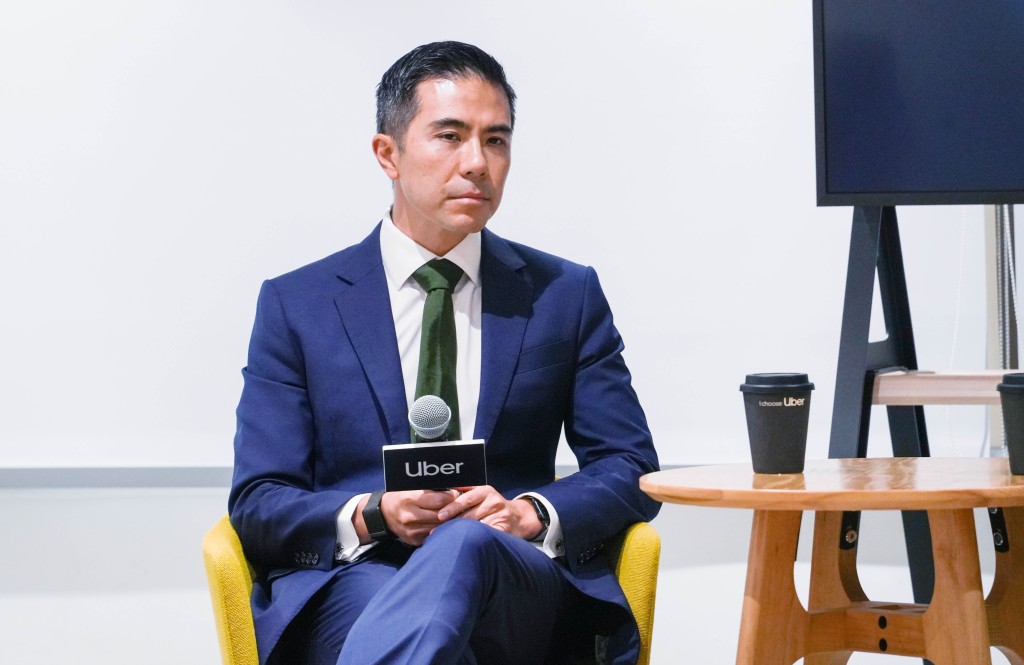
Illustrating the financial impact on consumers, Estyn Chung, Uber’s general manager in Hong Kong, said a standard trip from Hong Kong Disneyland to Wan Chai, which currently costs around HK$250, could rise to more than HK$430 during certain periods under the proposed quota.
Chung said ride-hailing demand in Hong Kong can fluctuate by up to 66 percent between peak and off-peak hours, making flexible supply essential. He added that demand can spike further during bad weather or after major events such as concerts, potentially leading to serious service shortages.
Byrne suggested that authorities set the initial license quota according to actual market demand and prioritize licensing for drivers who rely on ride-hailing as their main source of income.
He also proposed quarterly reviews based on objective indicators, such as passenger waiting times, booking success rates and average fares, to adjust the quota according to real-time market conditions.
On the proposed requirement for mandatory third-party insurance, Byrne urged authorities to adopt a platform-wide collective insurance model instead of requiring individual drivers to buy separate commercial coverage.
He said a unified policy would be administratively simpler for both Uber and insurers than handling tens of thousands of individual policies.