Read More
The Hong Kong branch of Japanese drugmaker Kobayashi Pharmaceutical called on customers to stop taking health supplements containing a type of yeast-fermented rice called beni koji, after a regular user died of kidney disease.
ADVERTISEMENT
SCROLL TO CONTINUE WITH CONTENT
The Osaka-based drugmaker said it was aware of 26 hospital cases linked to the prescription-free tablets.
As of yesterday, the company has received an additional 50 unconfirmed reports of people being taken to hospital.
The health supplements claim to help lower levels of low-density lipoprotein cholesterol, commonly known as "bad" cholesterol. Kobayashi has sold around 1.06 million packages of the supplements since their release in February 2021.
Among the notable symptoms reported by customers are swelling and fatigue, along with decreased kidney function. The company suspects an unidentified ingredient derived from mold could have been the source of the problems.
According to Kobayashi, the deceased had purchased 35 packages of the health supplements between April 2021 and last month.
An investigation is underway into the possible link between the death and the consumption of the health supplements. The company also met with the family of the deceased.
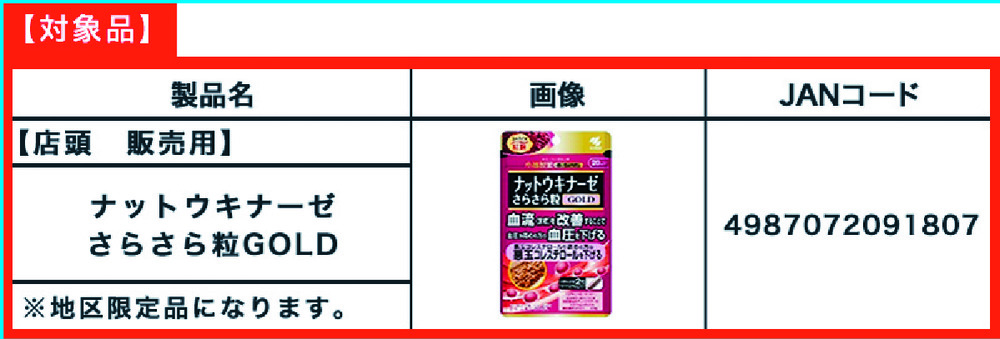
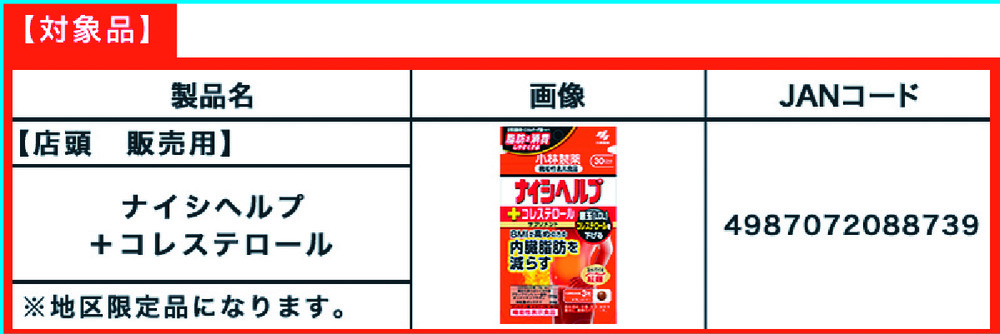
Simultaneously, the drugmaker also announced the recall of raw red yeast rice materials and five products containing red yeast rice, including approximately 300,000 packages of Beni Koji Choleste Help, which it supplies to 52 companies in Japan and abroad, including food manufacturers and wholesalers.
"As of Sunday, the subsidiary company has not received any reports of kidney disease or other problems with products containing red yeast ingredients sold to its corporate customers," the company said.
Red yeast has many uses, including coloring and flavoring, and is used as an ingredient in miso, sweets and sake.
In 2023, 16.1 tons of red yeast rice raw materials were sold, of which 6.9 tons were used in supplements and other items, part of which are suspected of having contained the harmful ingredient.
Meanwhile, the Hong Kong wing of the pharmaceutical company said it has not imported the products nor has it sold them here.
"However, the product may appear in the Hong Kong market as parallel-imported goods," it said.
It suggested avoiding the health supplements while apologizing for the concerns caused by the incident.
It added that the "Nattokinase EX" product sold by the Hong Kong branch is not affected by this incident and consumers can continue to take it without any worries.
stacy.shi@singtaonewscorp.com
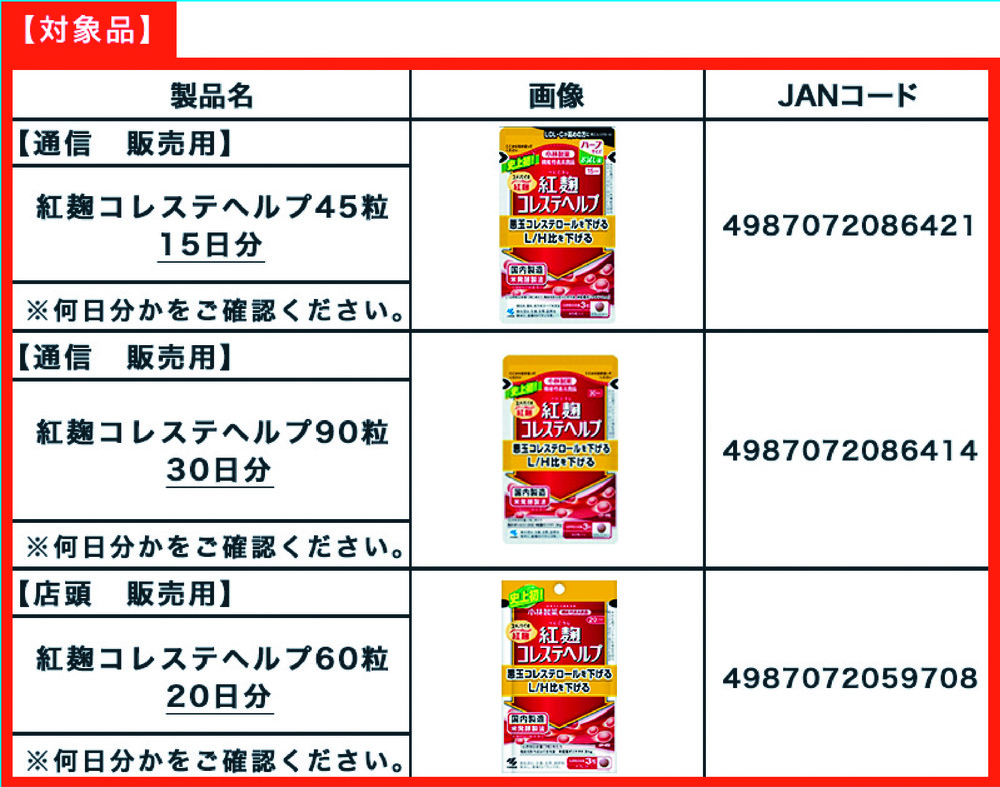
Some of the products being recalled.