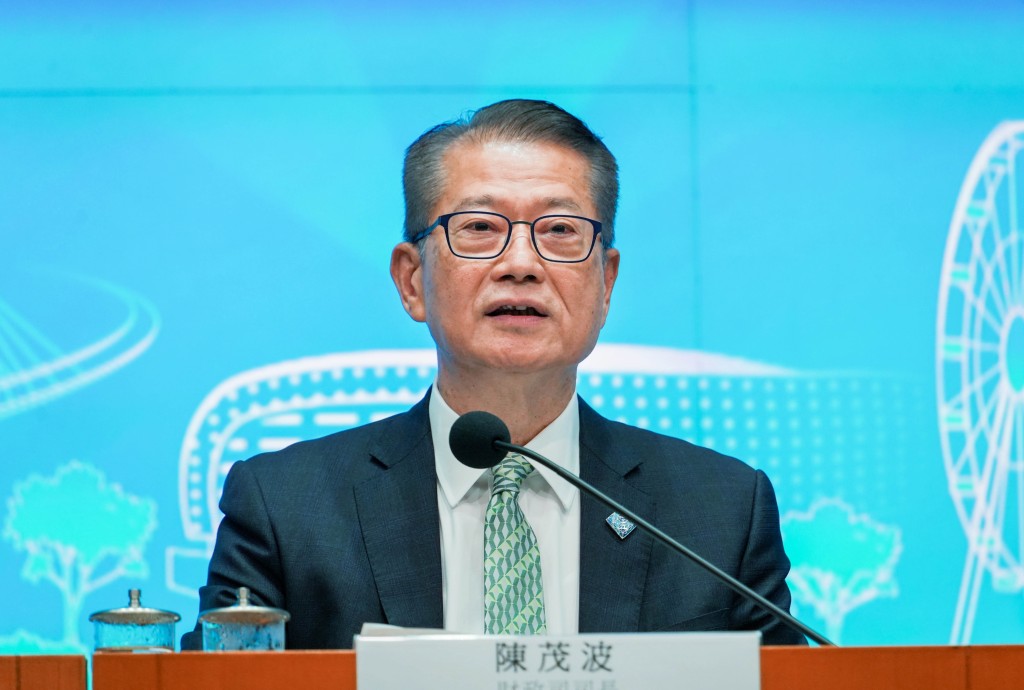
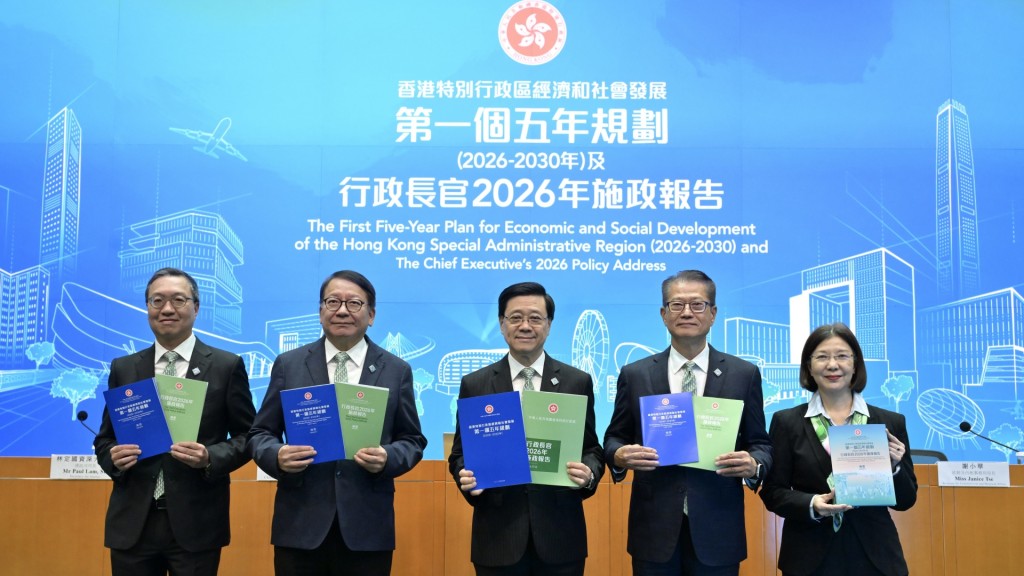
The government will announce the sixth batch of strategic enterprises, including several companies with market capitalizations reaching HK$100 billion, as well as a world-leading life and health technology firm set to conduct clinical research in the city, said Financial Secretary Paul Chan Mo-po on Sunday.
Writing in his weekly blog, Chan noted that the latest cohort covers cutting-edge sectors such as life and health technology, low-altitude economy, artificial intelligence, new energy materials, cross-boundary financial infrastructure, and fintech.
He emphasized that the presence of global leaders in life and health technology will further bolster the city’s standing in international medical research and development (R&D).
Furthermore, numerous companies plan to establish R&D centers, treasury centers, and regional headquarters, reinforcing Hong Kong’s role as a pivotal hub connecting the mainland with global markets while fostering a more vibrant innovation and technology ecosystem.
He said that the Office for Attracting Strategic Enterprises (OASES) has successfully secured more than 100 strategic enterprises across key sectors, including AI, data science, and advanced manufacturing.
Over half of these firms are already listed, and 16 others are preparing for listing. Additionally, approximately 90 percent have established or are setting up R&D centers, and three-quarters have run their global or regional headquarters in the city.
He highlighted that the tangible economic contributions of these enterprises are emerging, with a cumulative actual investment of HK$22.5 billion—more than 30 percent higher than initial projections for this stage. These operations have already created over 8,000 jobs.
Chan pledged that the government will continue to make every effort to attract more high-quality enterprises and provide more precise policy support for their development in Hong Kong.
He pointed out that through a dual-track approach of attracting overseas enterprises and nurturing local start-ups, Hong Kong will accelerate the construction of a more diverse, resilient, and internationally competitive industrial structure. This strategy, he added, would allow the city to play a more proactive role in the country’s overall high-quality development.