Read More





Night Recap - May 21, 2026
5 hours ago




ImmD crackdown targets moonlighting domestic helpers arresting 17
19-05-2026 17:52 HKT

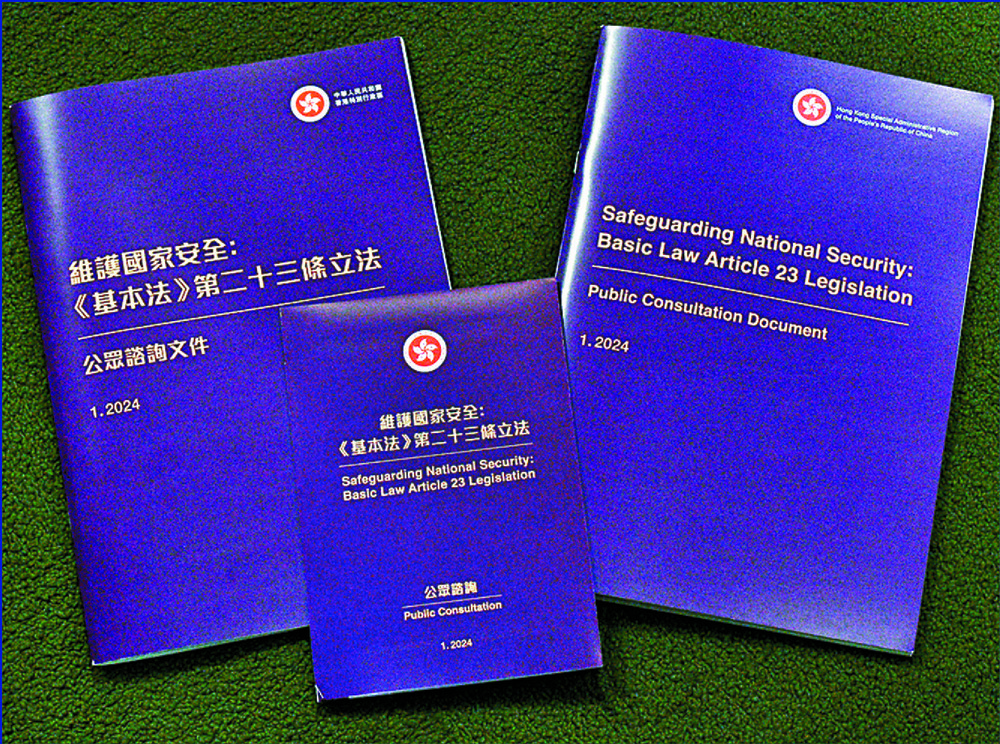
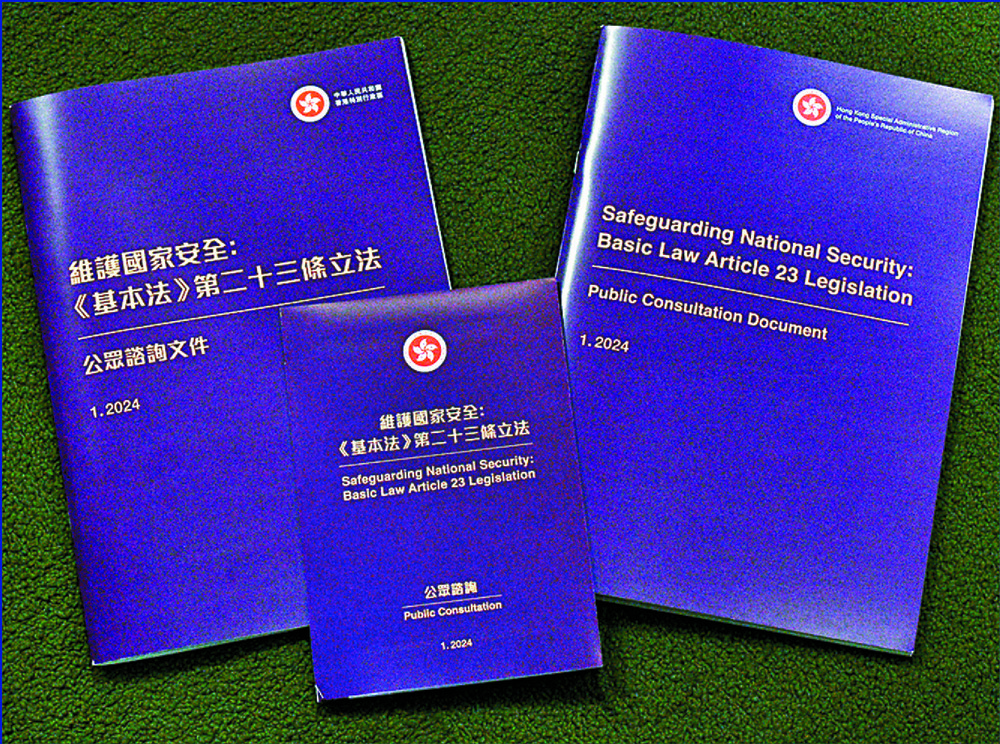
Lawmakers will discuss the Basic Law Article 23 legislation for the first time in a subcommittee meeting this afternoon - a day before the public consultation period ends.
According to the Legco agenda, lawmakers of the Basic Law Article 23 legislation subcommittee will convene their first meeting at 4.30pm today.
Gary Chan Hak-kan, chairman of the Democratic Alliance for the Betterment and Progress of Hong Kong, was automatically elected subcommittee vice chairman.
Apart from lawmakers, the meeting will be attended by officials who include Secretary for Justice Paul Lam Ting-kwok, his deputy Horace Cheung Kwok-kwan and Secretary for Security Chris Tang Ping-keung.This came as the administration is said to be considering allowing "public interest" as a defense for disclosing state secrets, but the threshold will be high to avoid its abuse, sources said.
The "theft of state secrets" clause under Article 23 raised eyebrows within the media sector despite officials mulling on adding public interest as a defense.Officials say they are well aware of the concerns, but added it is impossible for any legislation to list out all situations that constitute a breach of the law.
"We generally rely on objective circumstances to deduce the true intention of the suspect, and in all national security cases it is necessary to obtain a consent from the secretary for justice to take the suspect to court," one top official said.Authorities are considering adding in public interest as an exemption clause for "theft of state secrets" but said it is necessary to "prevent the clause being abused."
One official explained: "The core definition of state secrets is that if the disclosure is made without lawful authority it is likely to jeopardize national security and cause a negative impact."But if there is a greater urgency to disclose the state secret to the public even though it might harm society the threshold must be set high enough."
Another official said officials often exchange opinions with reporters or even sometimes "leak information to journalists to test the waters within society."Both parties rely on trust in each other, and the government will not trick journalists into publishing the leaked information and subsequently arrest them as the government has been attaching great importance to its relationship with the media."
Former secretary for security Lai Tung-kwok, now a New People's Party legislator, said if public interest is added as a defense it shows the administration has been listening to concerns."Safeguarding national security is the biggest public interest," Lai said. "If public interest is allowed to be used as a defense it must be very exceptional circumstances involving great significance and far-reaching impact. The reasons should not be included casually."
Simon Lee Hoey, a legislator as well as a member of the Basic Law Committee, said national security is a protective measure built on public interest so it would be contradictory to use public interest to circumvent national security."I suggest explicitly listing out provisions and scenarios that should be exempted from being regarded as theft of state secrets instead of including an abstract public interest defense in the legislation," Lee said.
Chief Executive John Lee Ka-chiu said one to two particular chambers of commerce touched on the enactment of Article 23 during their meeting with Hong Kong and Macau Affairs Office director Xia Baolong yesterday."They basically said they understood the reason for it, and they supported it because in their country they have similar laws and they don't have any effect on their consideration and confidence in Hong Kong," Lee said.
michael.shum@singtaonewscorp.com