Read More










Kyle Kennedy, granddaughter of Robert F. Kennedy, dies at 42
22-10-2026 04:11 HKT
Late police constable Chu Chun-kwok to receive full honors funeral on Fri
22-10-2026 15:33 HKT
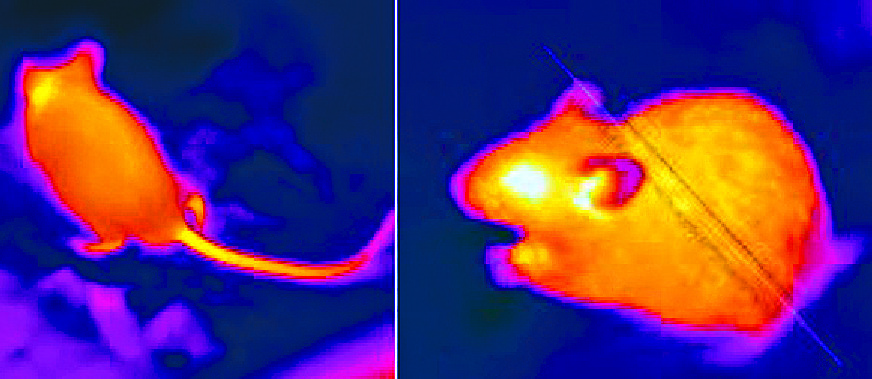
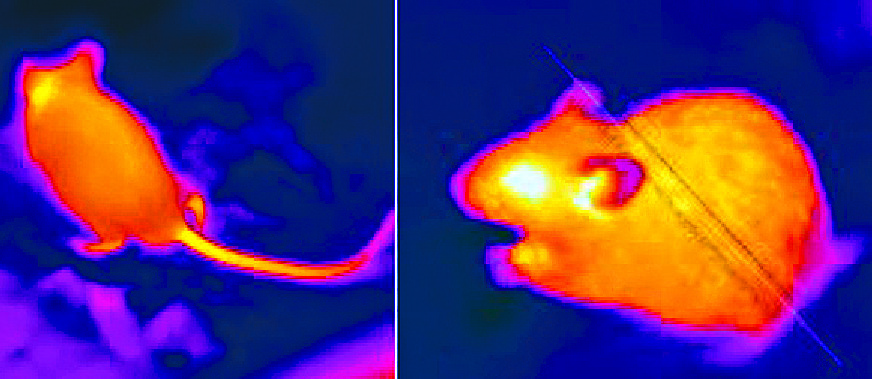
The government plans to purchase around 1,900 thermal imaging cameras at a cost of HK$7.5 million, the Food and Environmental Hygiene Department said yesterday.
The purpose is to implement a new method for monitoring rodent activity in a more comprehensive manner.
The department is collaborating with the University of Hong Kong to develop a new metric called the rodent absence rate, which calculates the presence of rodents based on the number of thermal images in which rodents are detected out of the total number of thermal pictures taken.
Pest control officer Lee Ming-wai said the new rate will provide a more comprehensive understanding of rat activity.
"We can know whether there is rat activity or not in an area and how serious it is through the new method," he said, adding that old calculation methods could only reflect the former.
Lee said the old calculation method, the rodent infestation rate, could only indicate the presence of rats based on the number of baits that were bitten, which was not as reliable as the new one.
The new method takes into account the fact that baits can be damaged by humans and other animals, and rats may not necessarily take a bite if other sources of food are available.
Department statistician Stella Cheung Lai-han said the surveys will be conducted every six months, with 200 to 300 areas selected based on the number of rats captured and complaints received. From the selected areas, 100 locations will be randomly chosen to install the cameras, which will capture images every two minutes from 7 pm to 7 am over a period of three consecutive days. Artificial intelligence algorithms will be used to identify images that contain rodents.
The department has already piloted the method in three districts: Central and Western, Wan Chai and Eastern.
The results of this pilot project will be announced next month, senior superintendent Wilson Ng Kwok-lun said.
The 1,900 cameras will be installed with the aim of completing the first round of surveys in all districts within six months.
Legislative Council member Kitson Yang Wing-kit expressed support for the new method.
"It is more accurate, covers a wider range, and will facilitate the implementation of more scientifically informed rodent-control measures," he said.
Yang also suggested expanding detection areas to provide a more comprehensive picture of the rodent infestation situation in the city.
He called for the adoption of alcohol mousetraps, which have been imported from Europe, in more than 70 markets and garbage collection stations.
He welcomed the department's decision to install 330 alcohol mousetraps in garbage collection stations and recommended expanding their use to all public markets and public housing estates in the city.