Read More



Night Recap - May 21, 2026
3 hours ago




ImmD crackdown targets moonlighting domestic helpers arresting 17
19-05-2026 17:52 HKT
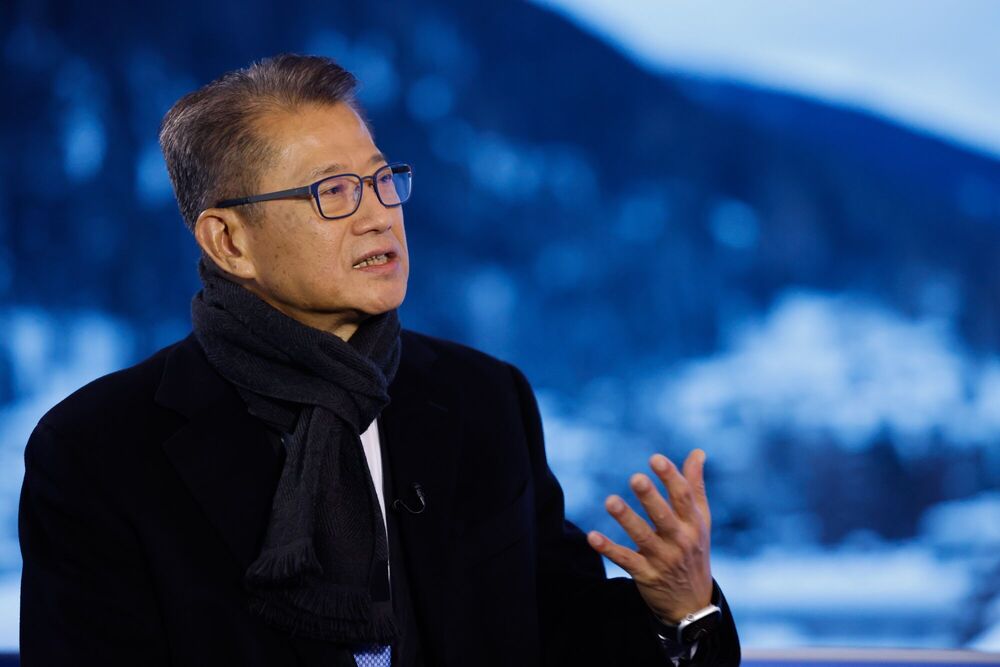
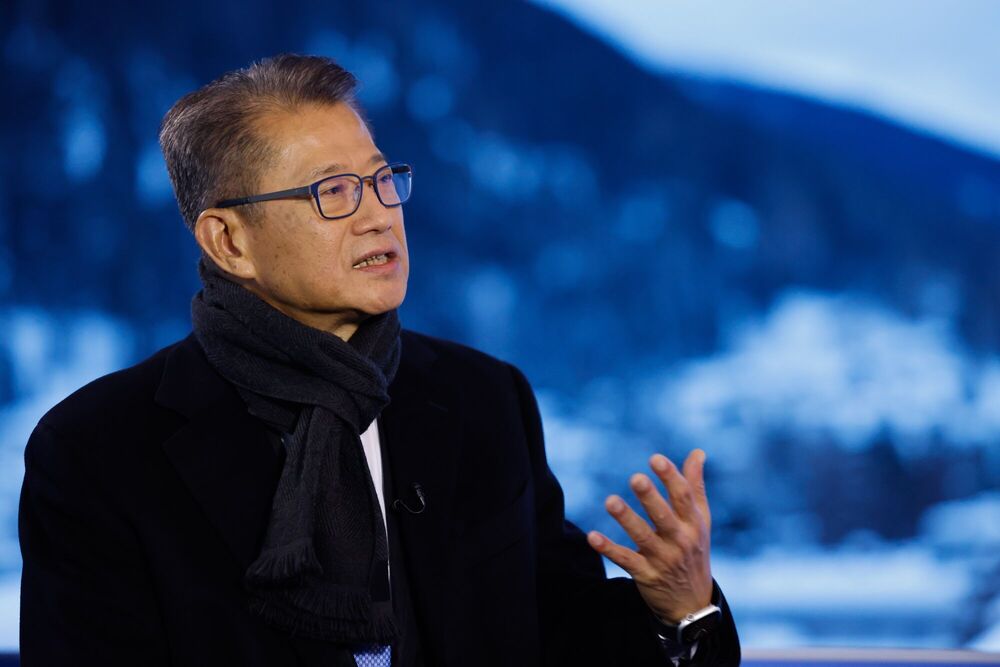
Hong Kong will not introduce a capital gains tax in the short run in order to protect the city's competitiveness and economic momentum, Financial Secretary Paul Chan Mo-po says about discussions of more levies to reduce the huge government deficit.
"The SAR doesn't have the conditions to impose a capital gains tax in the foreseeable future," he told Sing Tao Daily, sister newspaper of The Standard, from the World Economic Forum at Davos in Switzerland.
His comment also wiped out the possibility of a new tax on investors who profit from investments in Chan's budget for the next fiscal year.
Chan cited the impact on city's competitiveness, economic recovery and the asset markets in presenting his reasoning.
He also said authorities must listen to various advice during the budget's consultation period - responding indirectly to his previous remarks that a capital gains tax was among topics officials were studying.
After Chan revealed the city might record a deficit of over HK$100 billion for the fiscal year through March, various suggestions have been made to increase revenue by introducing new taxes.
On a capital gains tax, JP Morgan has warned it could trigger a panic sale in the property market in the short term.
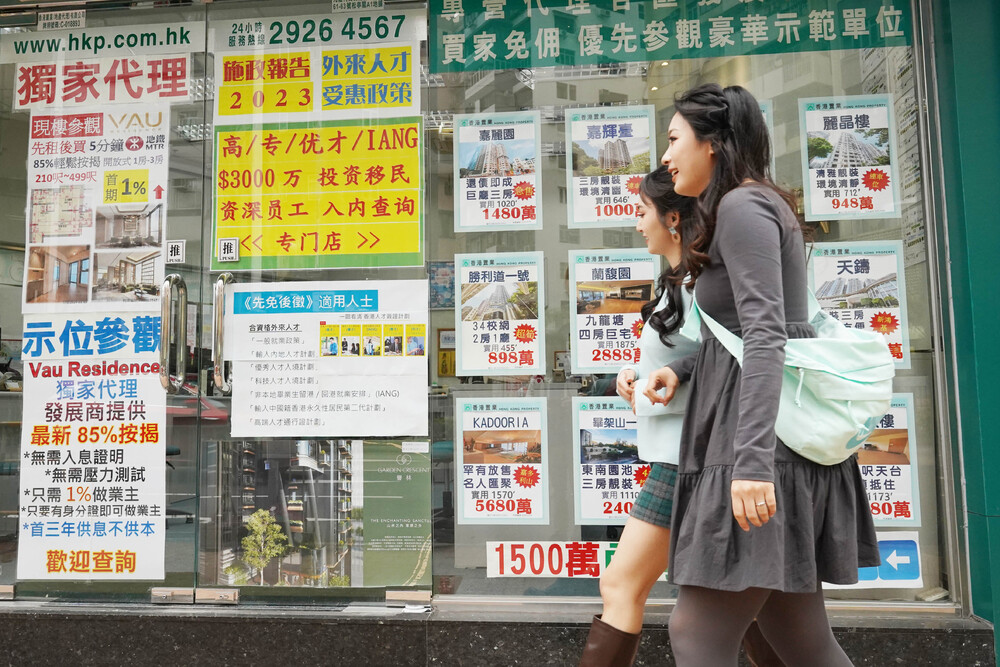
Although the real estate market has been sluggish in the past two years, Hong Kong remained the world's priciest market last year. Prices for homes boomed five times over from 2003 to 2022.
Thus, the levy could become a huge cost for property owners.
Take a unit at Taikoo Shing in Quarry Bay as an example: a flat sold for HK$11.2 million last month produced a paper gain of HK$9.4 million for the homeowner, who bought it long ago. If the tax rate was 28 percent - like in the United Kingdom - the holder would need to pay about HK$2.63 million for the disposal.
But even if a tax was introduced, JP Morgan projected the shock would be time-limited, such as two to three years.
Additionally, the tax - applicable for stocks, bonds and property - is levied in many advanced countries including the United States and Australia.
JP Morgan added that in the long term the tax might not hurt the property market, referring to the US home prices that have kept climbing in recent decades.
But it has also noted the possibility of Hong Kong introducing a capital gains tax is low as that would defy the city's pursuit of luring global investors with low tax rates - its major advantage.
Additionally, Singapore has no charges on investment gains. So new taxes would hurt Hong Kong's competitiveness with the region's other financial hub.
Chan also responded to other suggestions about the coming budget. On whether to further cut the stock trading stamp duty, Chan said he has confidence in Hong Kong's stock market.
He also cited amid laughter on some comments that shares in the SAR are of "high cost-effectiveness" - which means they are cheap but worthy of investment.
Chan reiterated too that the stock market is being affected by several factors, though there are some positive signs amid the expectation of interest rate cuts and the steady economic recovery in the mainland.
Similar to the property market, Hong Kong's stock market recorded a fall for a fourth consecutive year in 2023 and is seeing the decline extending into this year.
The administration in October lowered the stamp duty rate to 0.1 percent with the aim of boosting the market.
On the recommended removal of "spicy measures" that have been in place to cool the property market, Chan said the officials will monitor the situation closely.
themis.qi@singtaonewscorp.com