Read More






Morning Recap - September 21, 2026
8 hours ago


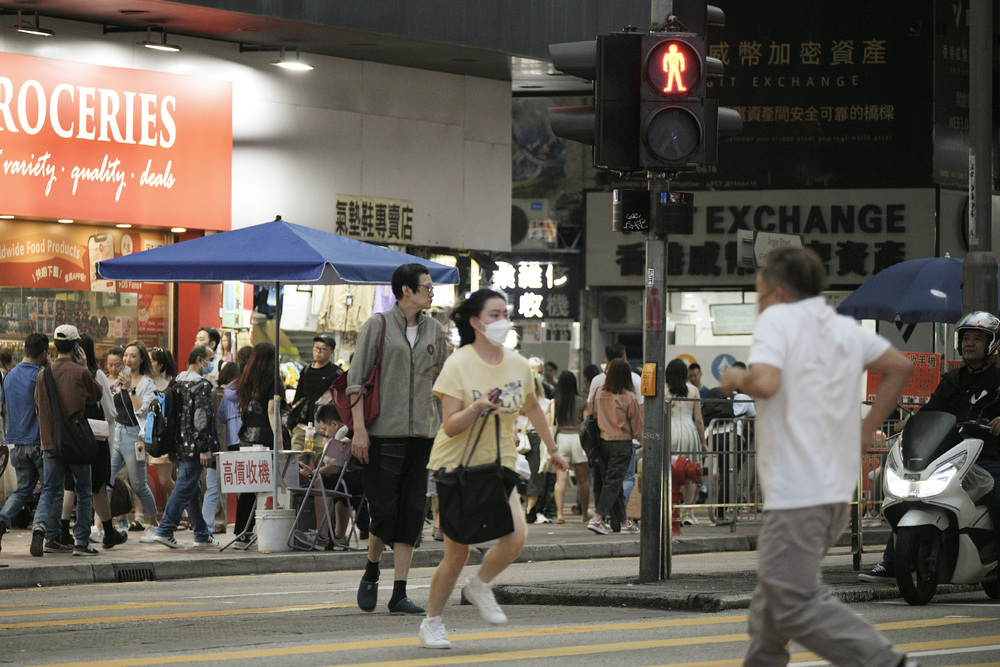
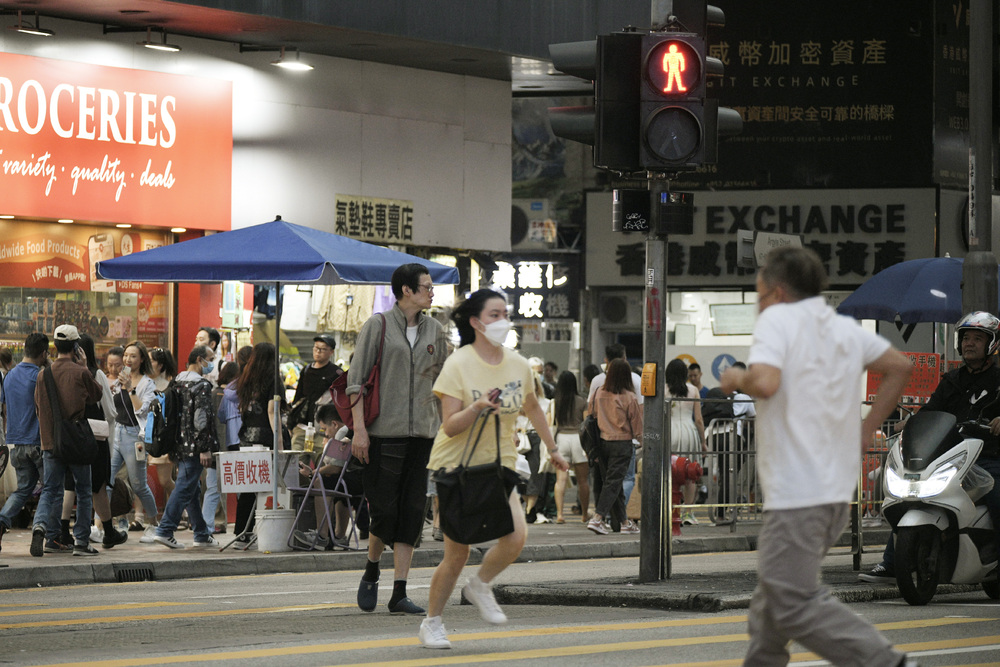
The high court yesterday rejected an application for a judicial review by a jaywalker who slammed the government for systemic failure and being overly harsh in enforcing the law in low-income districts.
Tsang Ho-ming, 20, failed to raise any "true public law challenge," said judge Russell Coleman in his dismissal.
In a writ filed with the court last month, Tsang said people are sometimes forced to cross roads that are not within designated crossing areas due to poor urban planning and should not be penalized for the government's incompetence.
The HK$2,000 fine for jaywalking is too harsh on the low-income population segment, violating article 28 of the Basic Law that protects the freedom of residents.
In his written judgment, Coleman said none of the grounds forwarded by Tsang had any merit.
"Plainly, there is no reasonably arguable connection between article 28 and the matters of which the applicant seeks to make a complaint in these proceedings," he said.
The creation of the law against jaywalking and setting penalty levels are "matters firmly within the realm of the legislature, to which the court will give due deference," he said. "It seems to me obviously not irrational for such a law to exist, and for the penalty to be one which strongly discourages pedestrians from putting themselves in a position of obvious potential danger to themselves and others."
Tsang had also suggested jaywalkers should only be stopped when there is an immediate danger of collision with moving vehicles, but Coleman said that "creates an obvious risk of taking action too sporadically or too late."
"On occasions, there may be room for people to express concerns or complaints about pedestrian traffic light design or timings, and the state of maintenance of pavements and footpaths. But such concerns do not fall to be aired in, and such complaints do not fall to be dealt with by the court exercising its supervisory jurisdiction in judicial review," he said.
Tsang "has failed to identify any reasonably arguable public law grounds of judicial review with any reasonable prospect of success," he added.
As for the complaints about the "alleged incompetence or failures" of government departments, "absent properly identified public law grounds of challenge, the court of judicial review exercising its supervisory jurisdiction does not exist to deal with such forms of complaints," Coleman said.