Read More



More GBA ports gain direct access to HK
26 mins ago

Morning Recap - April 29, 2026
1 hour ago





Night Recap - April 28, 2026
10 hours ago


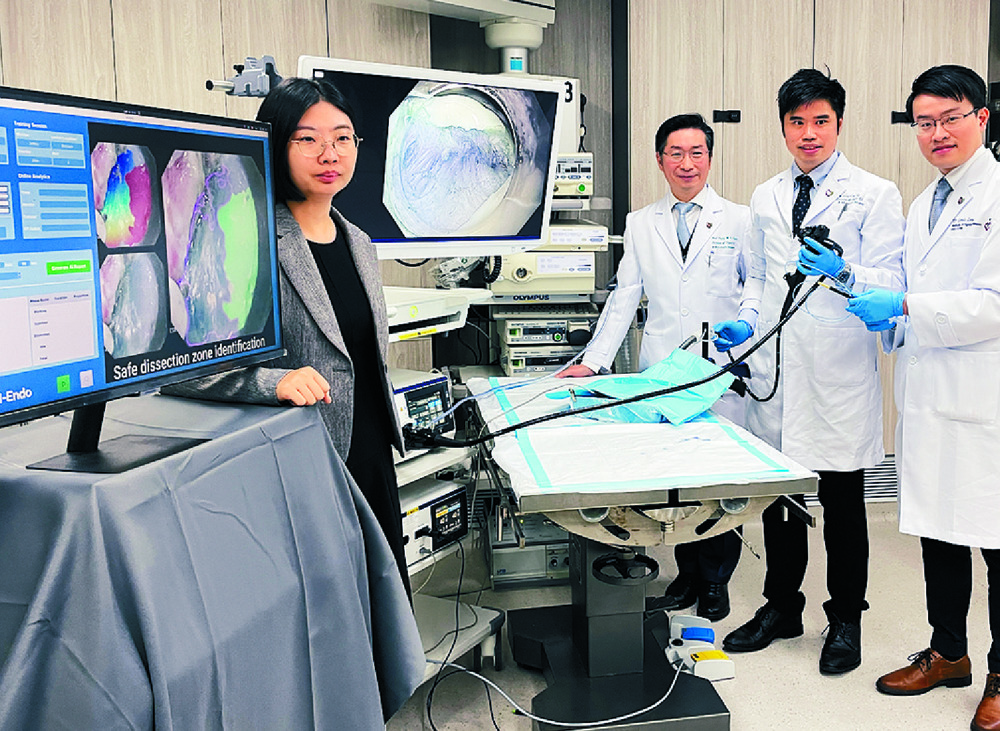
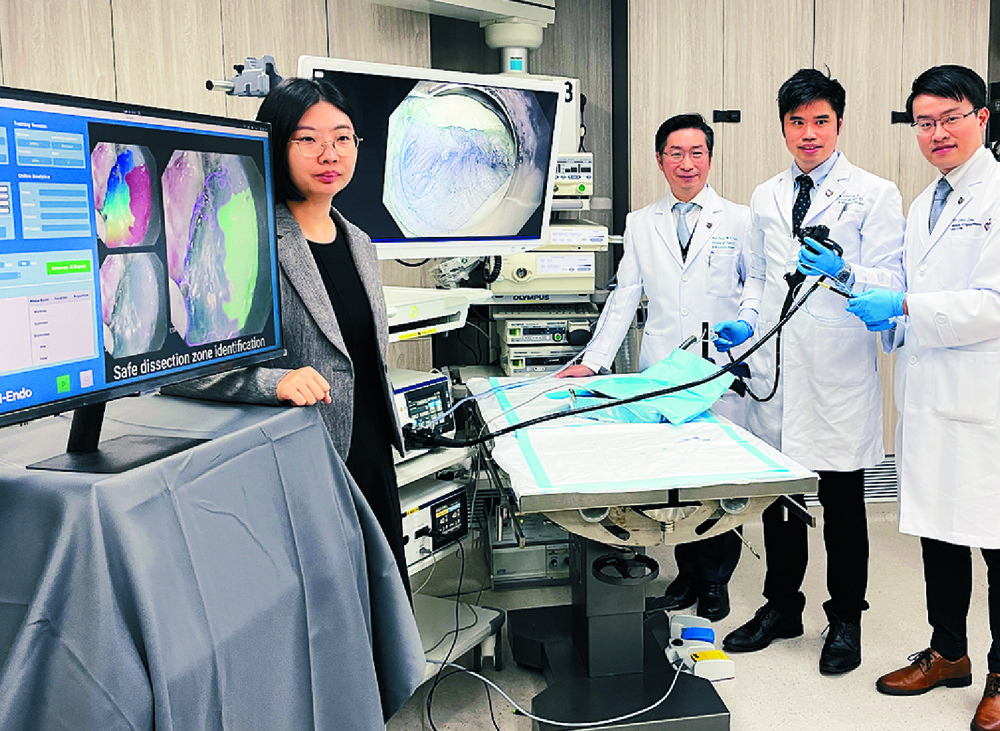
Artificial intelligence can enhance gastrointestinal cancer diagnostics and treatment and assist doctors in endoscopy training, Chinese University researchers have found.
They found that AI could increase the detection rate for adenoma, which could develop into gastrointestinal cancer, by 40 percent compared to conventional colonoscopy without AI.
Louis Lau Ho-shing, assistant professor of medicine and therapeutics, said the findings are "significant" for the future development of AI in clinical medicine and endoscopic training.
"Our research shows AI provides them with imagery guidance to practice skills in a more standardized manner, and it will help enhance adenoma detection ability among endoscopists with different levels of experience," he said.Philip Chiu Wai-yan, head of upper gastrointestinal and metabolic surgery, said the AI-assisted system could help doctors save time and reduce pressure.
"It could generate endoscopic reports automatically, which will save time, so doctors can conduct more endoscopies a day," Chiu said, adding that AI could increase the accuracy of diagnoses and thus reduce stress on doctors.But Chiu said AI is only a "co-pilot" and doctors will be fully responsible in the event of a misdiagnosis.
The school also introduced AI into endoscopic submucosal dissection, a therapeutic approach to resect early-stage gastrointestinal cancer, in Hong Kong as early as 2004.Yip Hon-chi, assistant professor of surgery, said only doctors with vast experience can conduct such a dissection, as "it takes a long time and more than 100 procedures for an endoscopist to achieve competency in performing such dissections independently."
But with the assistance of AI, endoscopists with less experience could also finish a dissection on animals.The team hopes to apply the technology to humans next year.