Read More


Morning Recap - October 9, 2026
16 mins ago



Typhoon season winds down as HK faces low October risk
07-10-2026 17:02 HKT


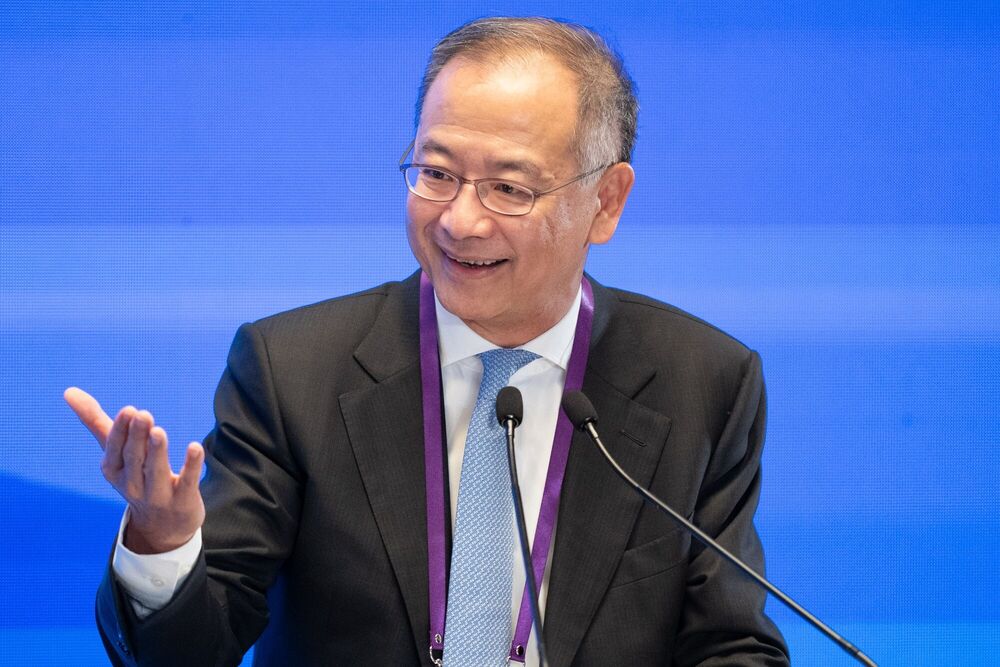
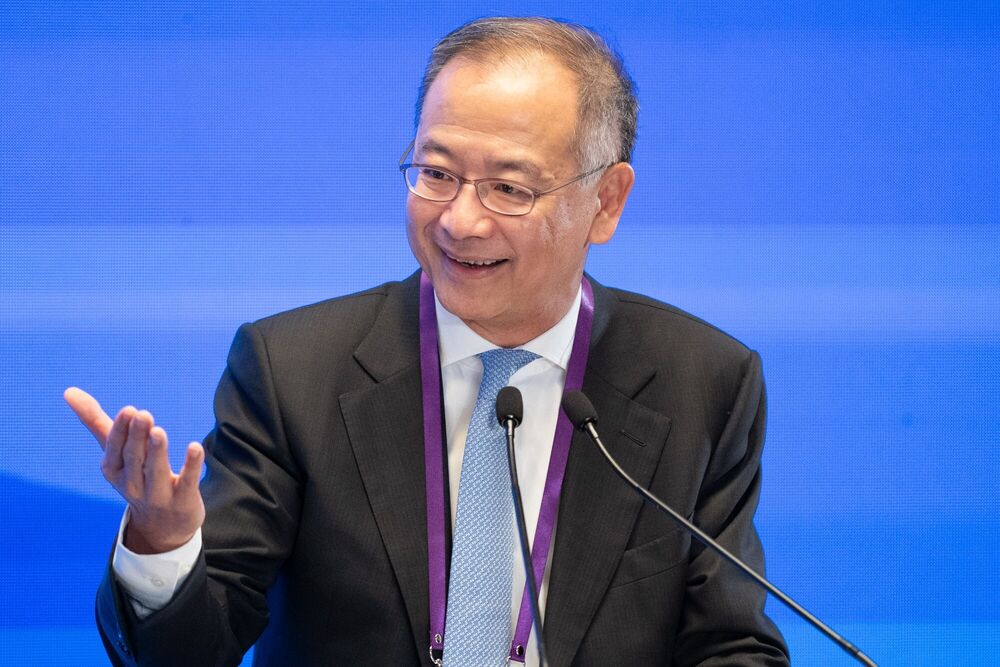
Hong Kong Monetary Authority chief executive Eddie Yue Wai-man dismissed assertions that Hong Kong is now a "ruin" of an international financial center, emphasizing that the SAR boasts the largest banking system among all international financial centers in Asia.
He said the trading volume in stocks in the city outperforms neighboring regions, hinting at Singapore, adding that Hong Kong is the largest asset management hub in Asia.
Whether in terms of market capitalization or trading volume, Hong Kong holds a significant position within the region. This is especially pronounced when compared to its neighboring financial center, where Hong Kong outstrips by a margin of six to seven times or even more, said Yue.
In the securities market, the Stock Exchange of Hong Kong recorded an average daily turnover of approximately HK$95.6 billion in November, significantly surpassing the S$952 million (HK$5.58 billion) on the Singapore Exchange, according to statistics from two exchanges.
At the close of November 2023, the market capitalization for Hong Kong stood at approximately HK$31.1 trillion, notably higher than Singapore's market capitalization of around S$765 billion (HK$4.48 trillion).
India has overtaken Hong Kong as the world's seventh largest stock market with a market capitalization of US$3.99 trillion (HK$31.11 trillion) as of end of November.
Also, Taiwan Stock Exchange Capitalization Weighted Stock Index (TAIEX) closed at 17,673 on Friday, higher than HSI for the first time in 30 years.
During the first three quarters, Hong Kong witnessed the successful listing of 54 firms, a stark contrast to Singapore which had only five.
Regarding capital outflows from Hong Kong, Yue noted that substantial outflows would typically lead to a weakened exchange rate and decline in bank deposits.
However, there has been no observable impact on either the exchange rate or deposits, and deposits have experienced a net increase of 2.3 percent this year, demonstrating a relatively higher growth rate amid a decrease in lending.
He expressed cautious optimism about the local economy next year and expects the Federal Reserve to delay interest rate cuts until after the middle of 2024.
Singapore is poised to gain from increased investments and a sustained inflow of wealth amidst geopolitical tensions related to China and its sluggish economic growth, as indicated by Southeast Asia's largest bank, DBS.
In the first half of 2023, the Singapore-based bank recorded net new inflows of S$12 billion, with approximately half of this amount originating from North Asia each quarter.
Besides, the number of family offices in the country increased from 400 in 2020 to 1,100 by the end of 2022, driven by demand from China.
On the other hand, the Hong Kong stock market emerged as one of the poorest-performing globally, with the benchmark Hang Seng Index closing at 16,792 points last Friday, signaling a 16.6 percent decline from its starting point of 20,145 points at the beginning of this year.
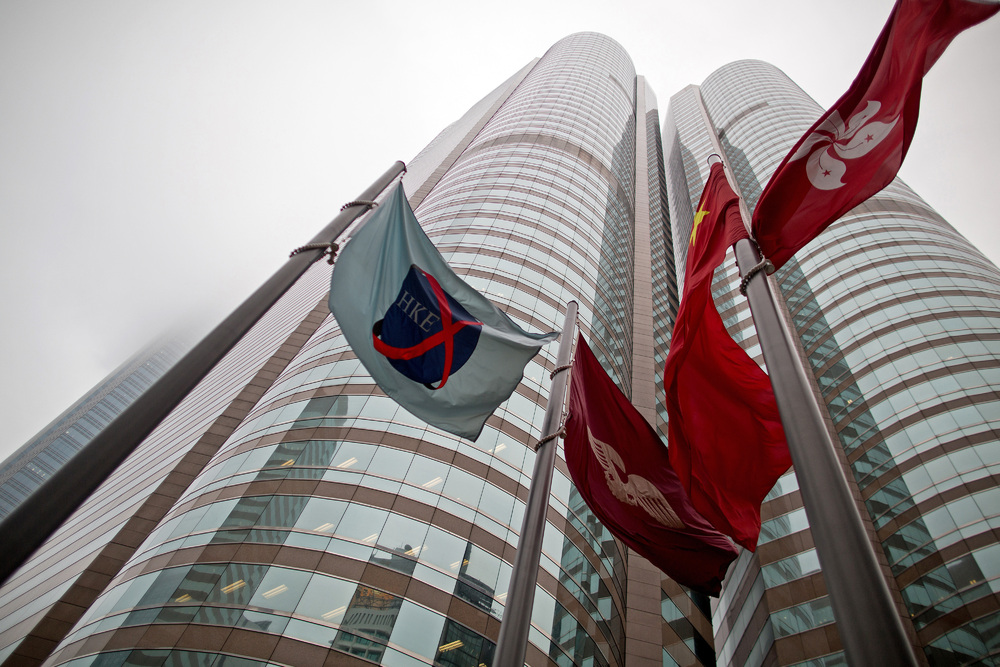
Hong Kong Exchanges and Clearing (0388) chief executive Nicolas Aguzin will step down in May 2024, and Bonnie Chan Yi-Ting will assume the role.