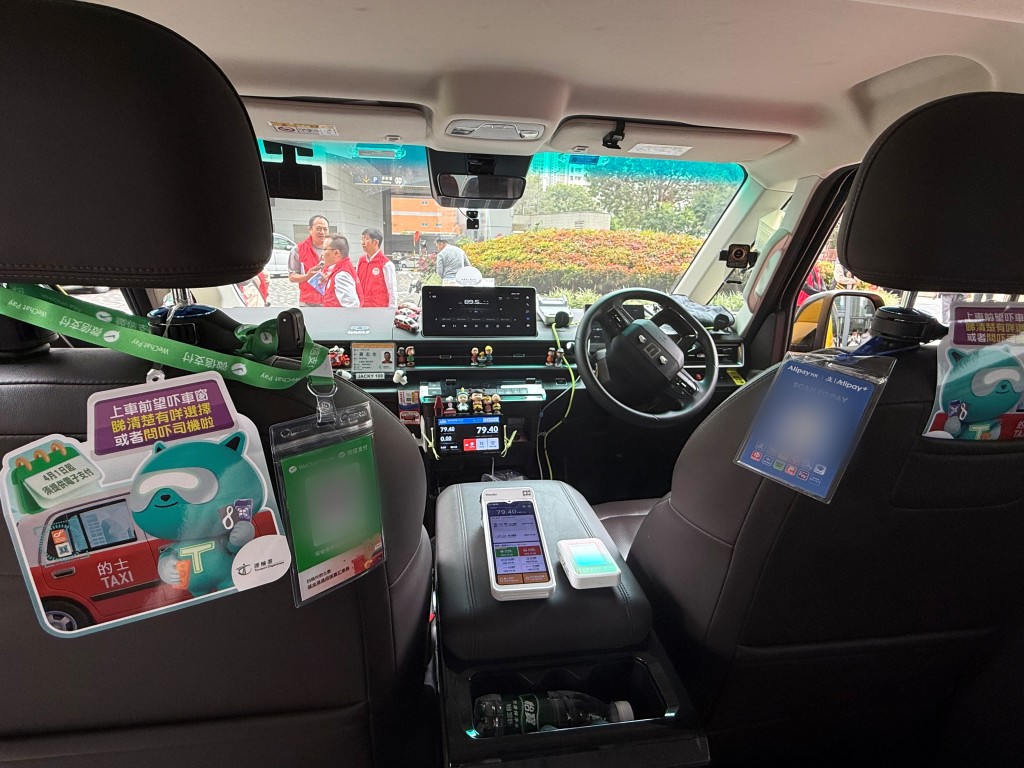
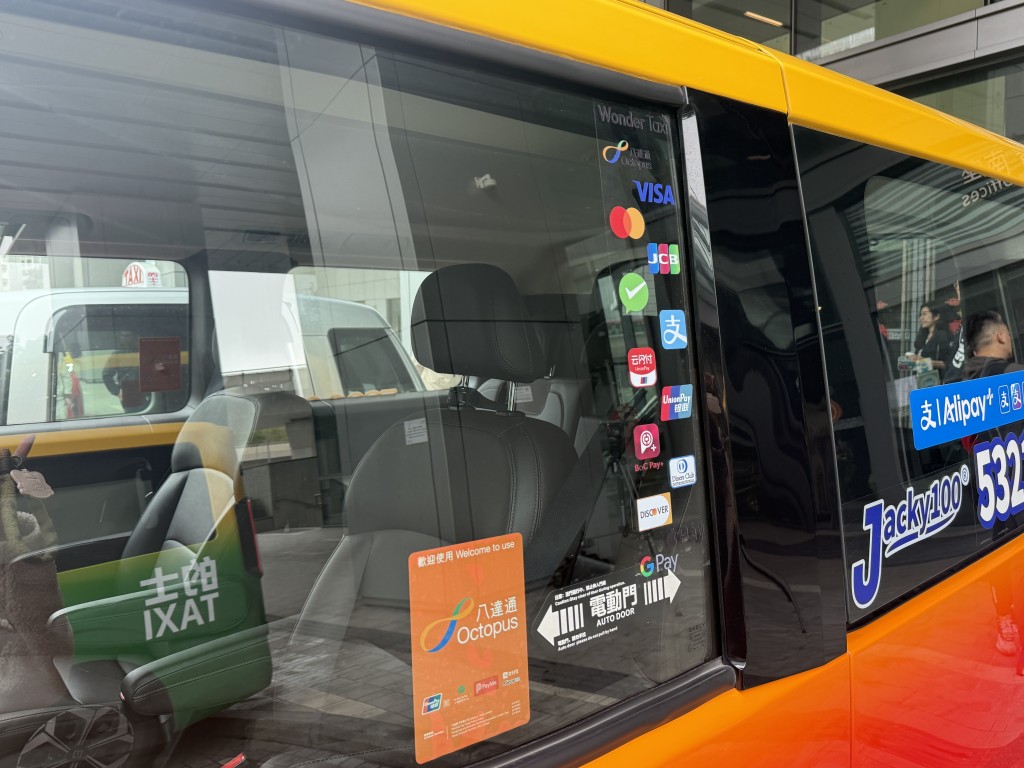
Multiple e-payments joined cash in city taxis on Wednesday as a new mandate took effect, drawing mixed reactions from drivers on the first day.
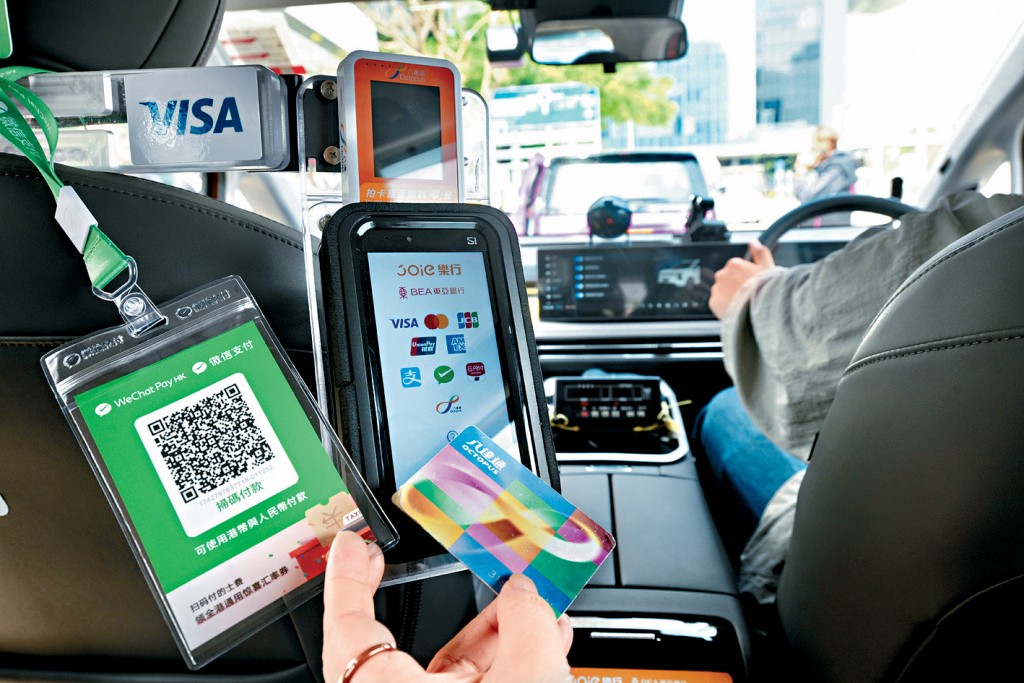
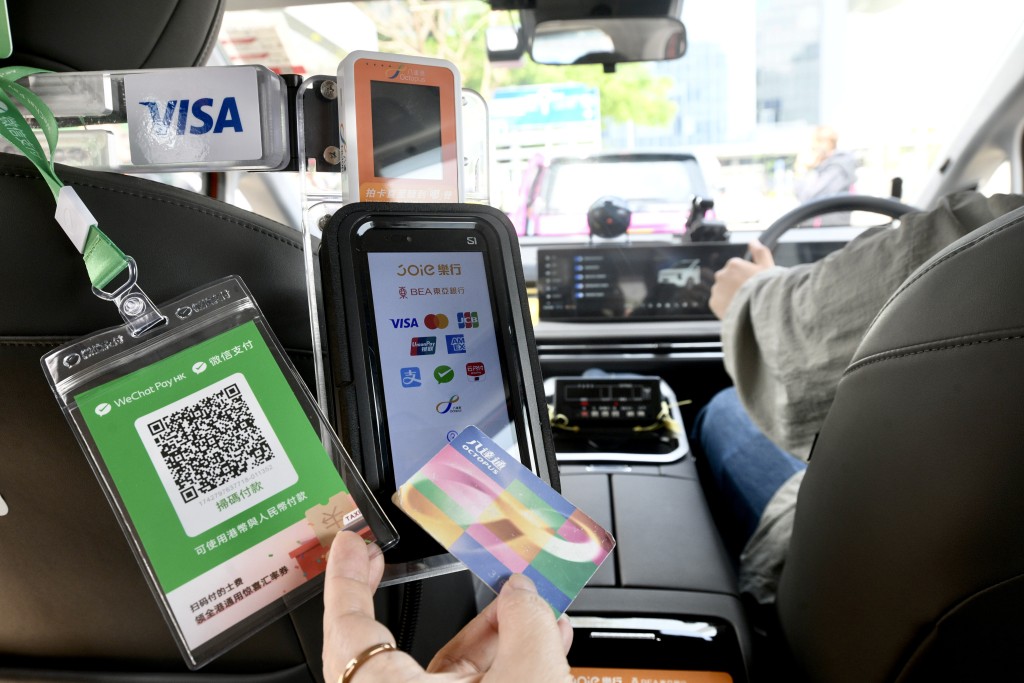
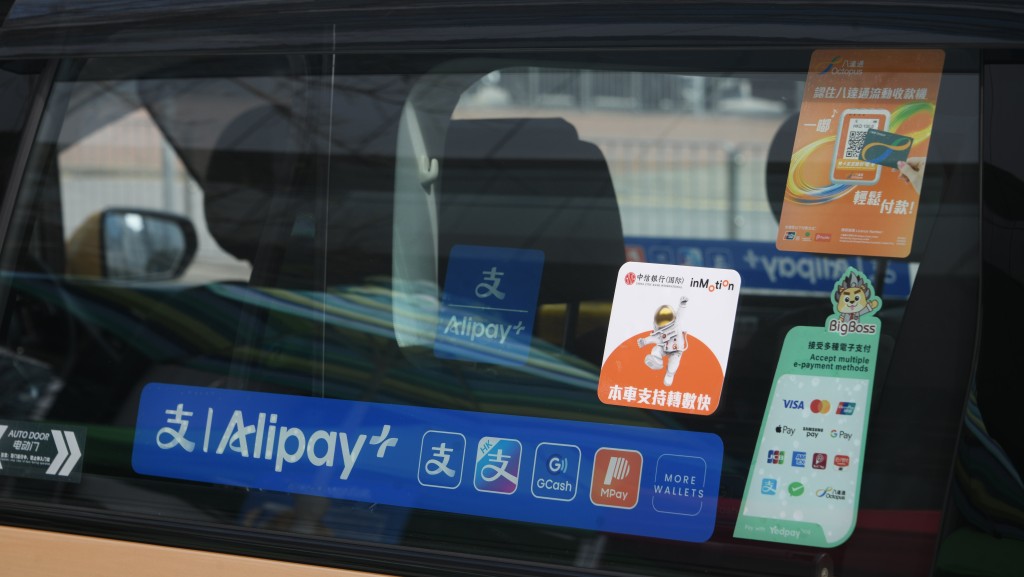
According to the new regulations, all taxis are required to provide at least two electronic payment options–one QR-code payment option and one non-QR-code method–starting April 1.
One driver who recently installed two payment terminals said he had previously relied on cash for its speed and simplicity, but now worries about delays during busy curbside pickups.
He added that the sound alerts from payment machines offer limited reassurance at peak times, when it is difficult to check payment confirmation immediately.
Another driver, who adopted electronic payments years ago, described the move as inevitable. “If you only take cash, you lose a lot of business,” he said.
Some drivers pointed to reliability issues with Octopus terminals, recalling an incident where a terminal failed to provide a payment confirmation, leading a passenger to pay twice.
Catch up to modern day
Amid concerns from taxi drivers, lawmaker Johnny Ng Kit-chong struck a more optimistic tone on a radio program this morning, calling the mandate a step forward for Hong Kong's global image.
Noting that most passengers are already familiar with electronic payments, Ng said diverse payment options would enhance convenience for residents and visitors, and expressed confidence that the industry would gradually adapt.
However, he cautioned that weaker network reception in some remote areas or tourist spots could cause payment delays, though cash remains a backup to ensure limited disruption.
Addressing worries about older drivers under the new arrangement, Ng argued that many seniors are tech-savvy, regularly using smartphones and social media, and therefore should not face significant difficulty.
He added that the government has set up hotlines and installation centers, with setup taking about ten minutes for those needing assistance.
App optimization for tipping
When asked if e-payments would affect taxi tipping, Ng suggested software improvements, drawing from the mainland’s experience to allow tips to be included in the total fare.
Acknowledging that drivers need time to adapt, he called on payment providers to optimize their apps to include a tipping feature—an incentive for better service.
Despite over 90 percent of taxis having already installed electronic payment systems, Ng urged authorities to show flexibility for the remaining few during the initial stage.
“The goal isn’t to penalize drivers, but to improve service and showcase Hong Kong as an international innovation and technology center,” he said.
Meanwhile, he advised drivers to install the systems as soon as possible and not to make excuses.
Ng also cautioned drivers and passengers to verify QR codes and check transaction records right away, warning that resolving payment disputes afterward can be challenging.