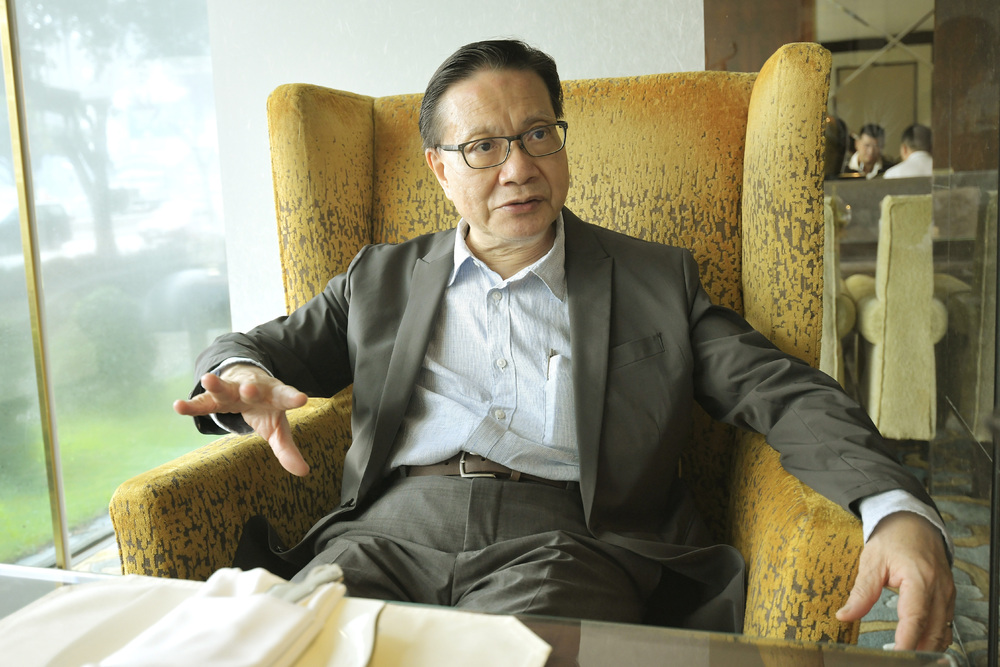
Hong Kong society has to safeguard national security but must refrain from going to extremes, former housing and transport chief Anthony Cheung Bing-leung says.
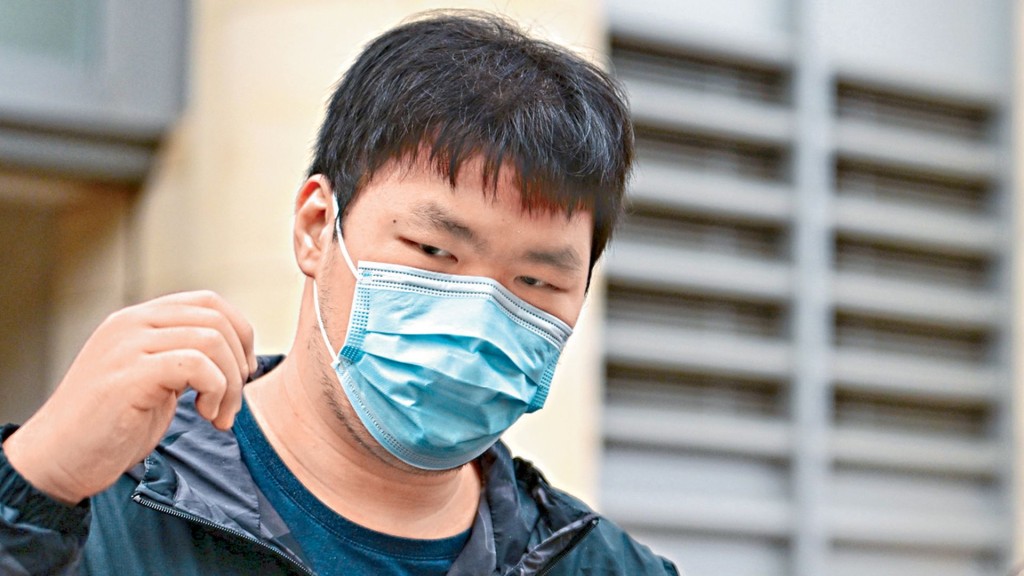
Cheung, who is now research chair professor of the Education University's Department of Asian and Policy Studies, said yesterday there is "never a doubt" Hongkongers should safeguard national security.
But authorities have to strike a balance between safeguarding security and maintaining a free and diversified society.
Cheung, talking on radio, then cited legislator Junius Ho Kwan-yiu's linking of the Gay Games with national security breaches as having "gone a bit overboard."
The games - a worldwide sport and cultural event that promotes acceptance of sexual diversity - were held in Hong Kong from November 3 to 11. That made Hong Kong the first Asian city to host the event.
Executive Council convener and legislator Regina Ip Lau Suk-yee was the guest of honor at the event, triggering an accusation from Ho that the games' real agenda was to advocate legalization of same-sex marriage, and he that violates national security laws.
"There are different opinions in society on issues like homosexuality and personal behavior, and it is normal in society to have different perspectives," Cheung said. "But linking such behavior to national security - I think that has gone a bit overboard."
He said too that Hong Kong should maintain its uniqueness and internationalization, and society should allow people to express different opinions.
There was no need to discuss everything at the level of national security, Cheung added, as this would undermine Hong Kong's image if it took root in people's minds.
"The national security law is very clear and lists four categories of offenses," Cheung said, pointing to secession, subversion, terrorist activities and collusion with foreign forces.
"At the same time," Cheung said, "Hong Kong is a society based on the rule of law, so people should not link every issue with the law, regardless of its relevance."
After the pandemic, he said, the city has resumed international activities and its economic recovery is only a matter of time, but "we must also strengthen the advantages of Hong Kong and eliminate doubts from other countries regarding the city."
Cheung said Western media still have negative impressions of the city, so the administration should be strategic while "telling the good stories of Hong Kong."
He continued: "Every city has its own problems, but we should not be afraid as we are confident in ourselves. If there are media reporting Hong Kong's deficiencies we should [counter them]. We have to tell others that we ... are a very open society."
Cheung noted too that assessments of Hong Kong by international banks have remained positive, and so the city should be confident "not to avoid discussing its shortcomings" and not overreacting to criticism.
He said academics wrongly believe academic freedom no longer exists here, so the city needs to demonstrate an active academic environment and avoid self-censorship.
"A free and open society is not just about visa-free entry," he said. "It is more about respecting different voices and opinions in society, even those that are disliked."
Cheung remarked too that Hong Kong reopened its borders later than other countries and residents' and visitors' consumption patterns were also changing.
Coupled with the unpredictable effects of the Israel-Hamas war, he said, this led to the global economy faring worse than predicted and underscored the need for Hong Kong to plan ahead for additional impacts.
toby.ng@singtaonewscorp.com
Anthony CheungSING TAO