Read More



Night Recap - May 21, 2026
5 hours ago



ImmD crackdown targets moonlighting domestic helpers arresting 17
19-05-2026 17:52 HKT

Chinese University failed to safeguard national security fully as it did not include related clauses in its tenders, contracts and guidance with campus facility operators, the Audit Commission has found.
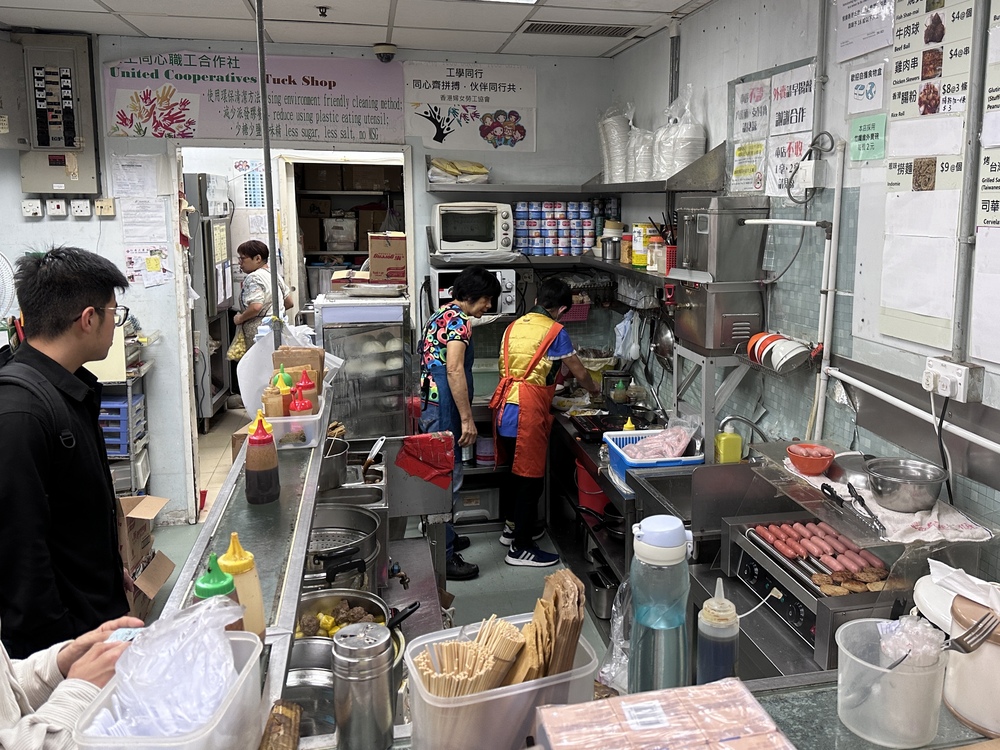
It said all 33 canteens on campus were unlicensed, that 29 were not serving students or staff members solely, and its convenience store, canteens and bookstores operated beyond contract boundaries.
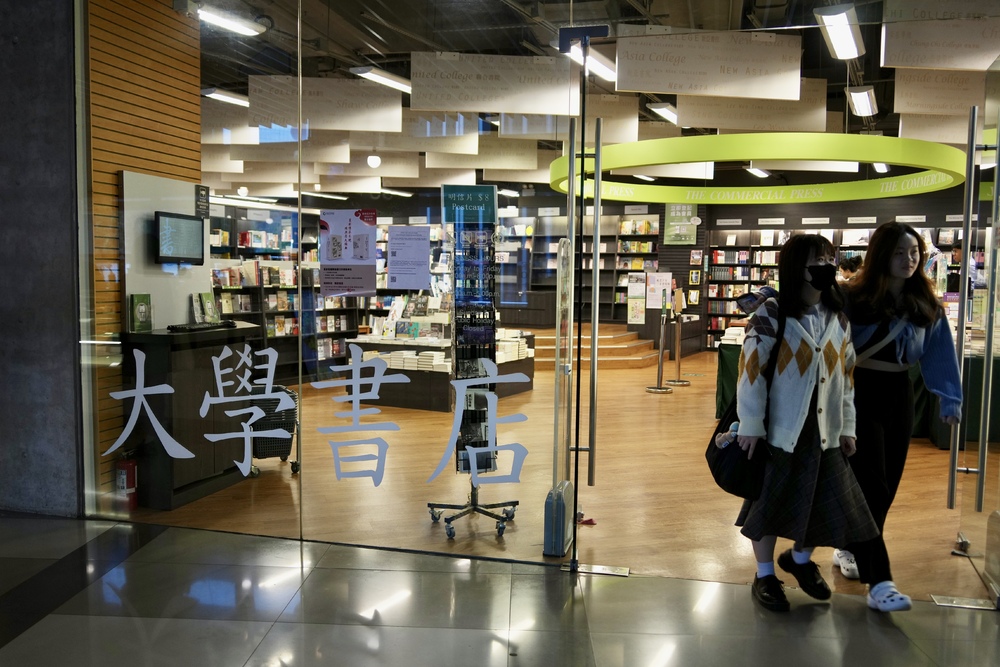
As of July 1, the university had 39 campus facilities, including 33 catering outlets, two bank branches, a bookstore, a convenience store, hair salon and a supermarket.
Director of Audit Nelson Lan Chi-yuen slammed CUHK in a report for not including clauses that allow the university to disqualify tenders or terminate contracts for national security reasons.
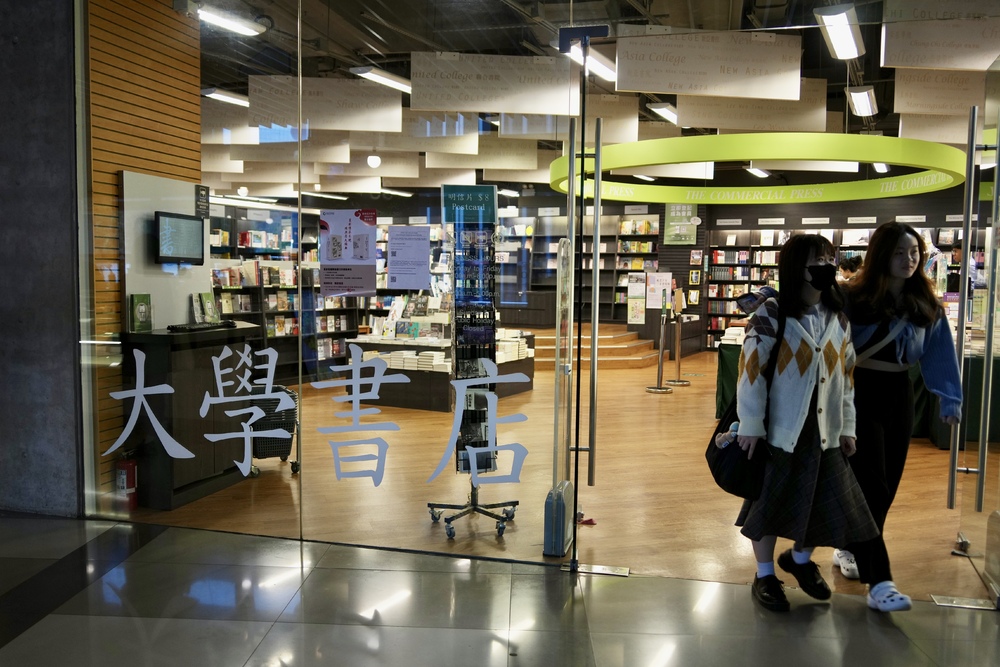
For example, the university only required the bookstore operator to not involve CUHK in any unlawful or immoral action and not to display or sell merchandise of an obscene or immoral nature.
"However, CUHK did not issue any guidelines related to the safeguarding of national security for the operation of the bookstore," the report said.
It also suggested the university provide guidance to suppress any acts endangering national security and to have clauses in documents to allow disqualification of tenderers and terminate contracts on the grounds of national security.
The report quoted university president Rocky Tuan Sung-chi as agreeing with the Audit Commission suggestions.
On the 33 catering outlets, 29 did not serve students or staff exclusively as required in contracts, with 25 even selling "restricted food items" including desserts and dairy products.
"The 29 catering outlets did not check whether the customers were CUHK students or staff," the report added.
"And in 13 of the 29 no notices were displayed indicating the catering outlets served CUHK students and staff exclusively."
Three of the canteens were also found to have partnered with delivery platforms to provide food to people outside the university, which is prohibited in the contracts.
Some students said they had noticed delivery platform Foodpanda stickers in restaurants, but they had not ordered campus canteen food through the platform.
Foodpanda's website says a Mideast cuisine restaurant on campus offers a pick-up service though the platform.
The report also found the convenience store in the university was not licensed but still prepared and sold food to customers, while the book store breached its contract for selling products other than books, including toys.
CUHK should ensure that caterers provide canteen services and food delivery services exclusively to its students and staff within the campus and obtain restricted food permits, the auditor said.
The report also cited Tuan as saying the university will "ensure that the relevant caterers put up notices to indicate that the catering service is exclusively for CUHK students and staff and enforce the requirement accordingly."
A CUHK graduate named Li said she had worried about food safety and questioned why canteens were allowed to operate without a license.
"I'm quite shocked that CUHK, which occupies the largest campus area in Hong Kong, does not even have a licensed canteen," she said.
Li hoped the university could at least explain the current regulation of canteens to staff and students.
A student named Wu said she had no choice but to dine on campus as it is the closest place to get food in a limited time, but she would choose canteens operated by named companies that have credibility in food quality.
In addition, the commission found that tender exercises for three catering outlets did not fully follow proper procedures.
It also found that tender waivers from the tender board had not been obtained for seven contracts awarded without tender exercises, involving the two bank branches and caterers.
stacy.shi@singtaonewscorp.com