Read More





Night Recap - May 21, 2026
7 hours ago




ImmD crackdown targets moonlighting domestic helpers arresting 17
19-05-2026 17:52 HKT

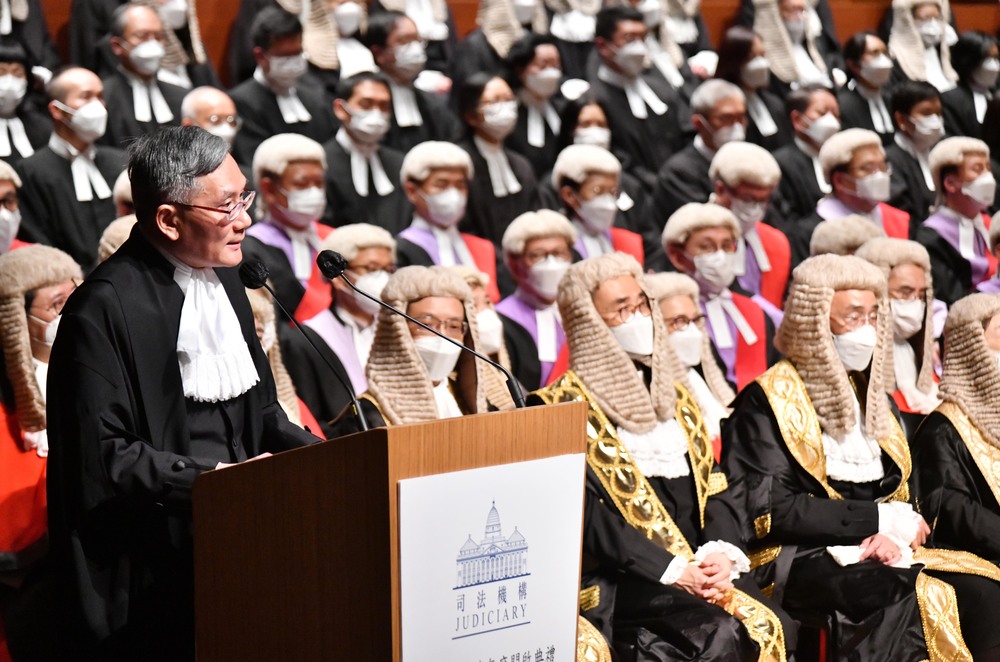
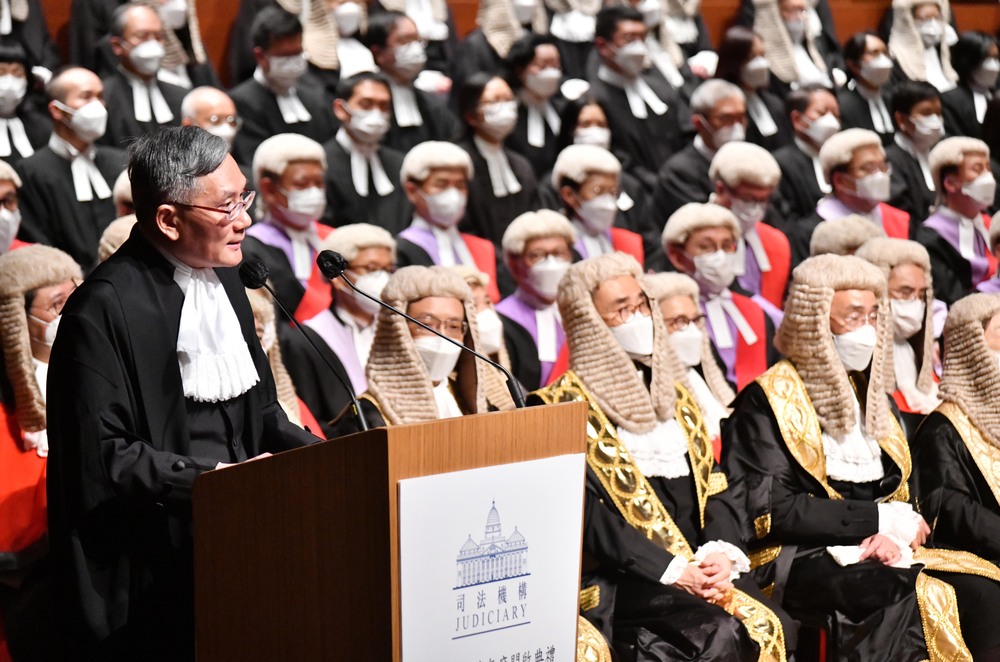
The Executive Council has given the green light for the salaries of judges and judicial officers to be raised by 3.62 percent, with the hike to take retrospective effect from April 1.
Under the existing scale, the salary for chief justice Andrew Cheung Kui-nung is HK$397,100 per month, meaning he will earn HK$411,475 after the pay rise.
High court judges will see salaries rise from HK$331,750 to HK$343,759.
The pay rises were recommended by the Standing Committee on Judicial Salaries and Conditions of Service, the government said.
"In coming up with its recommendation on judicial pay for 2023-24, the judicial committee premised its deliberations on the need to uphold the principle of judicial independence," it said.
The committee is also said to have considered various factors, including their responsibilities, working conditions and workloads, benefits and allowances, cost of living adjustments and remuneration arrangements for judges overseas.
Approval will be sought from the Legislative Council on the proposed pay hikes.
In a report submitted to Chief Executive John Lee Ka-chiu in July, the committee's chairman, Clement Chen Cheng-jen, said remuneration should be of sufficient quantum to attract and retain talent in the judiciary.
"[The principle is adopted] in order to maintain an independent and effective judicial system that upholds the rule of law, safeguards the rights and freedoms of the individual, and commands confidence within and outside Hong Kong.
"The need to maintain an independent judiciary of the highest integrity is of utmost importance," he said, adding the committee reviews salaries every year.
Chen said that the judiciary, particularly the high and district courts, is facing pressure due to cases related to national security and unrest.
"National security cases invariably entail longer trials, for which substantial judicial resources have to be expended, thereby impacting all other criminal cases.
"In respect of the district court, the judicial committee notes that its major challenge in recent years has been to cope with cases arising from the violent events and riots in 2019 in relation to the proposed extradition amendment bill. Many such cases involve a large number of defendants and lengthy trials," he said.
"These two types of cases have been posing mounting challenges to the judiciary in terms of judicial resources, manpower support, competing use of court premises and the provision of suitable media and security arrangements."