Read More




Night Recap - August 18, 2026
6 hours ago


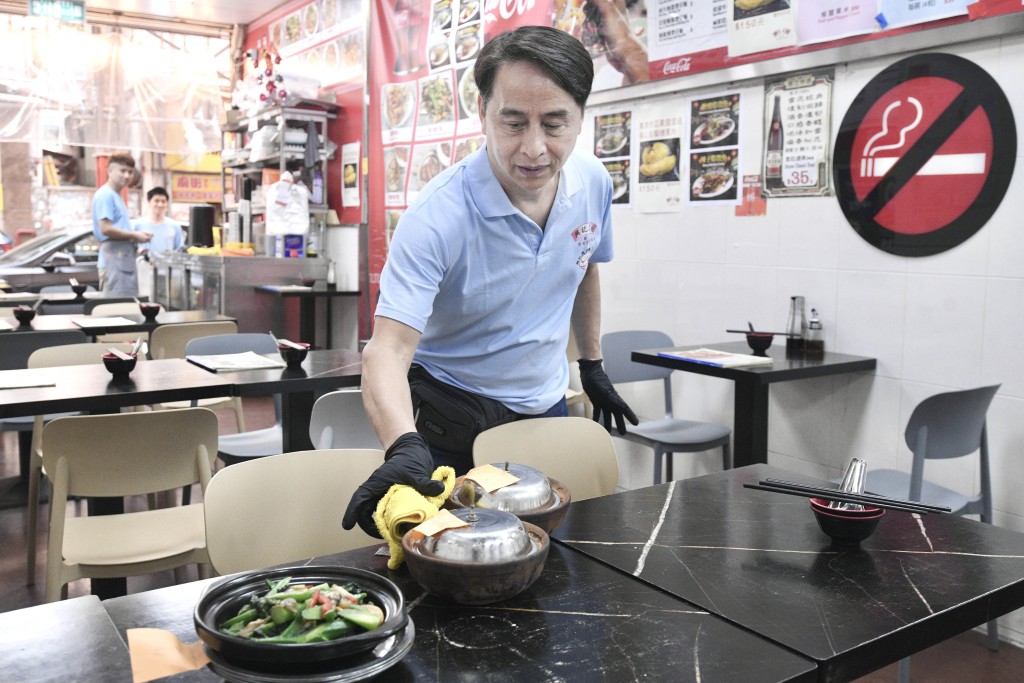
$30,000 monthly pay fails to attract local claypot rice cooks
17-08-2026 17:47 HKT
Senior police loses appeal over $26m mortgage loan fraud
17-08-2026 19:02 HKT
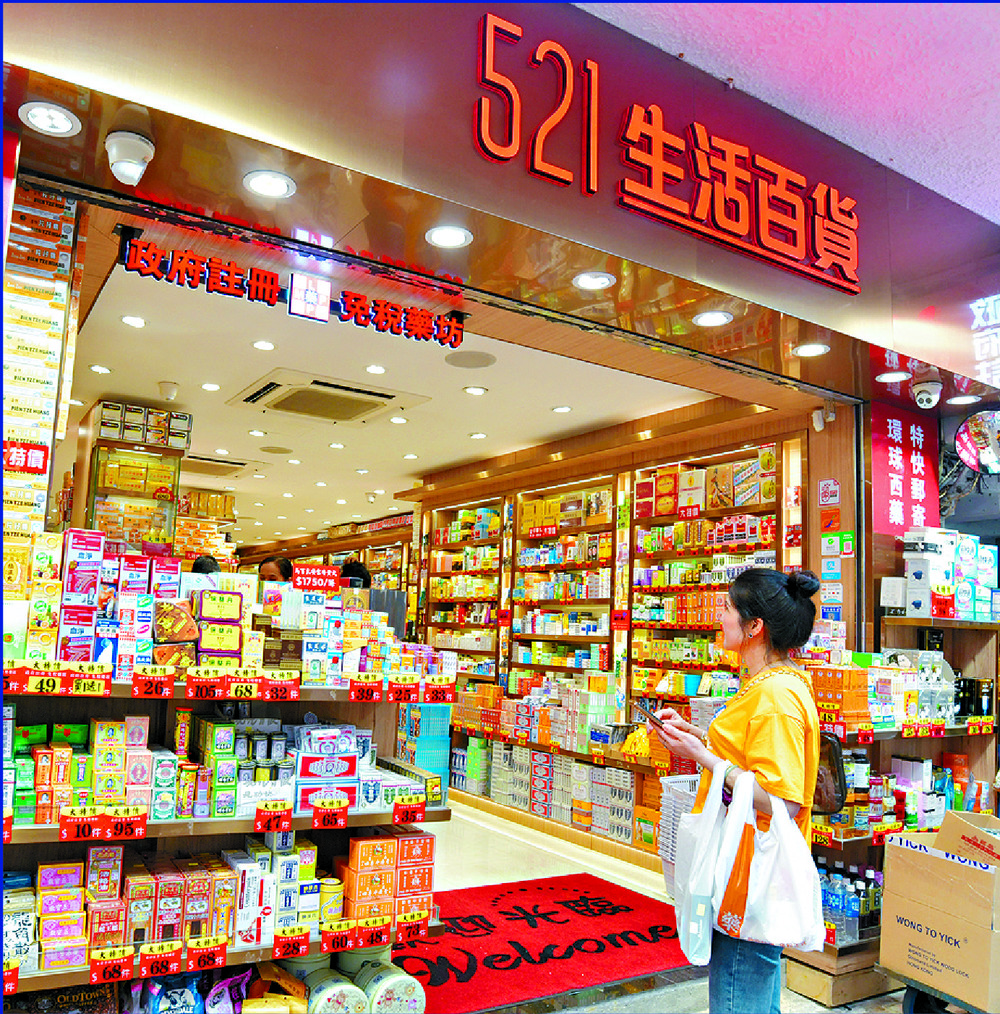
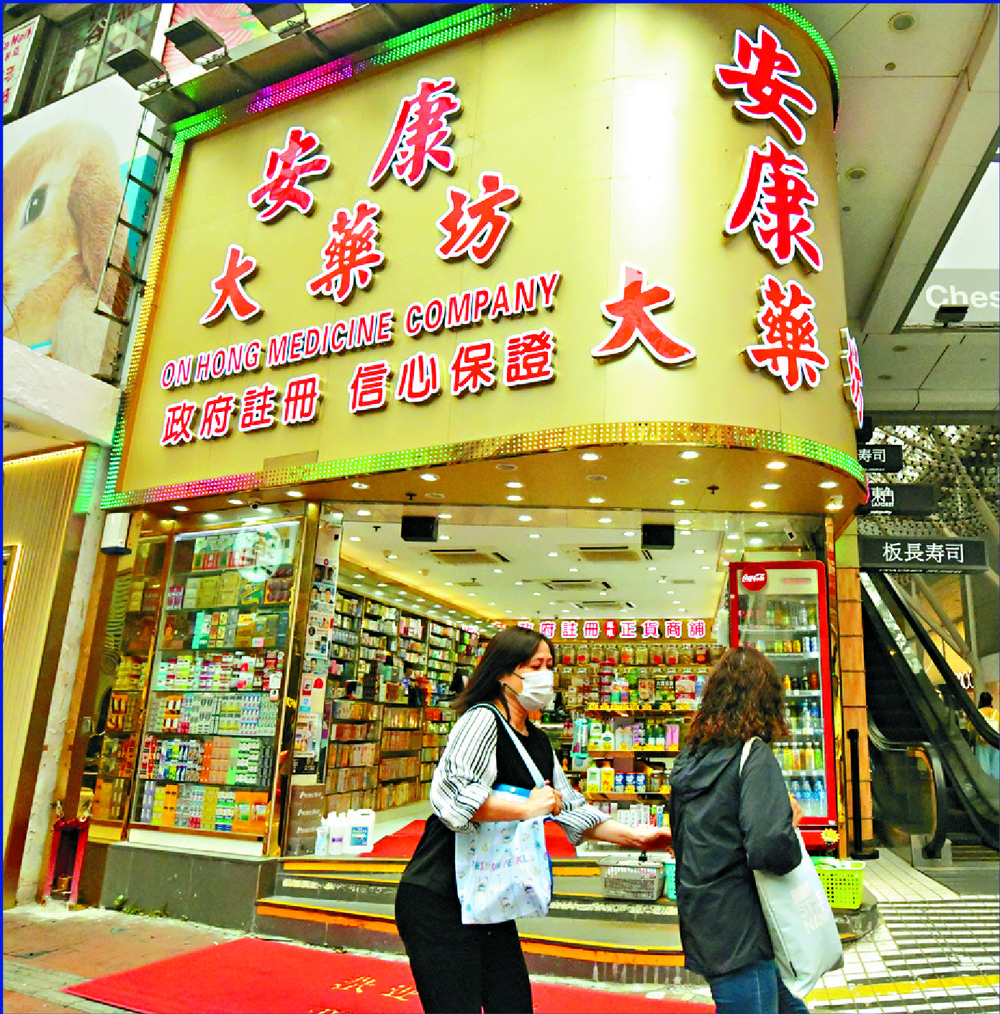
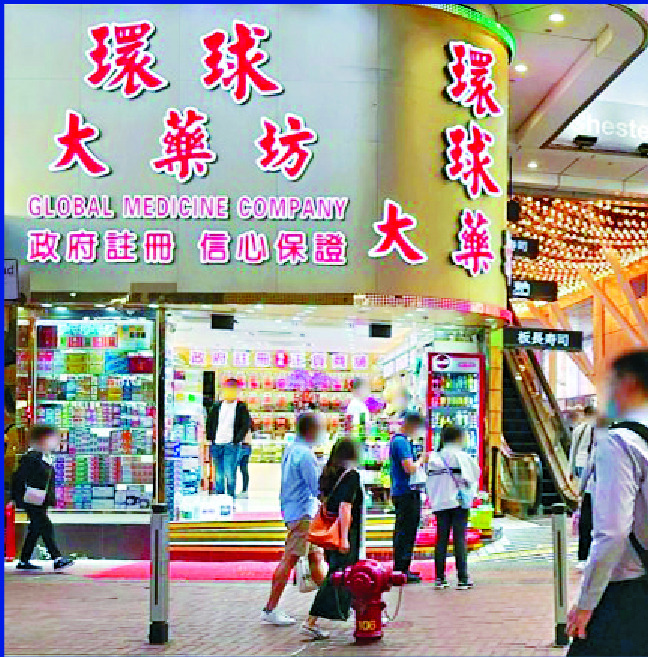
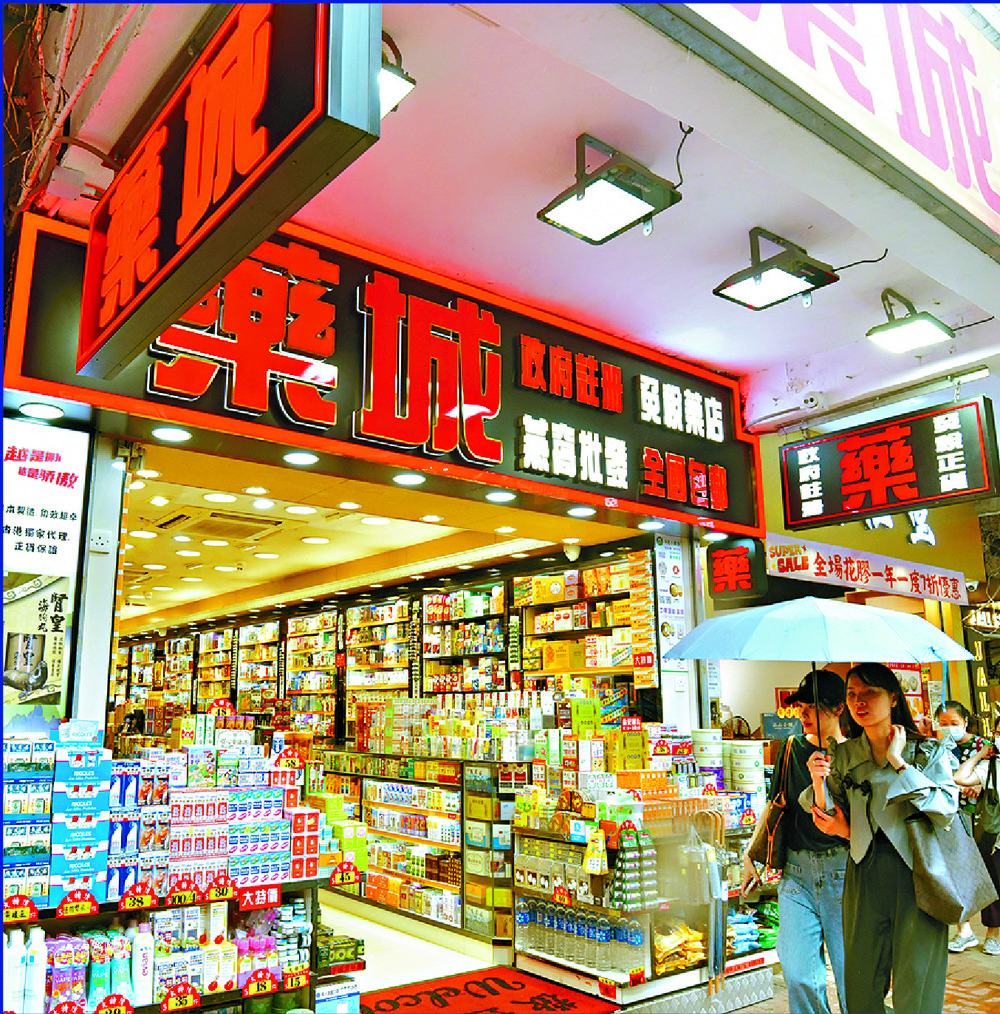
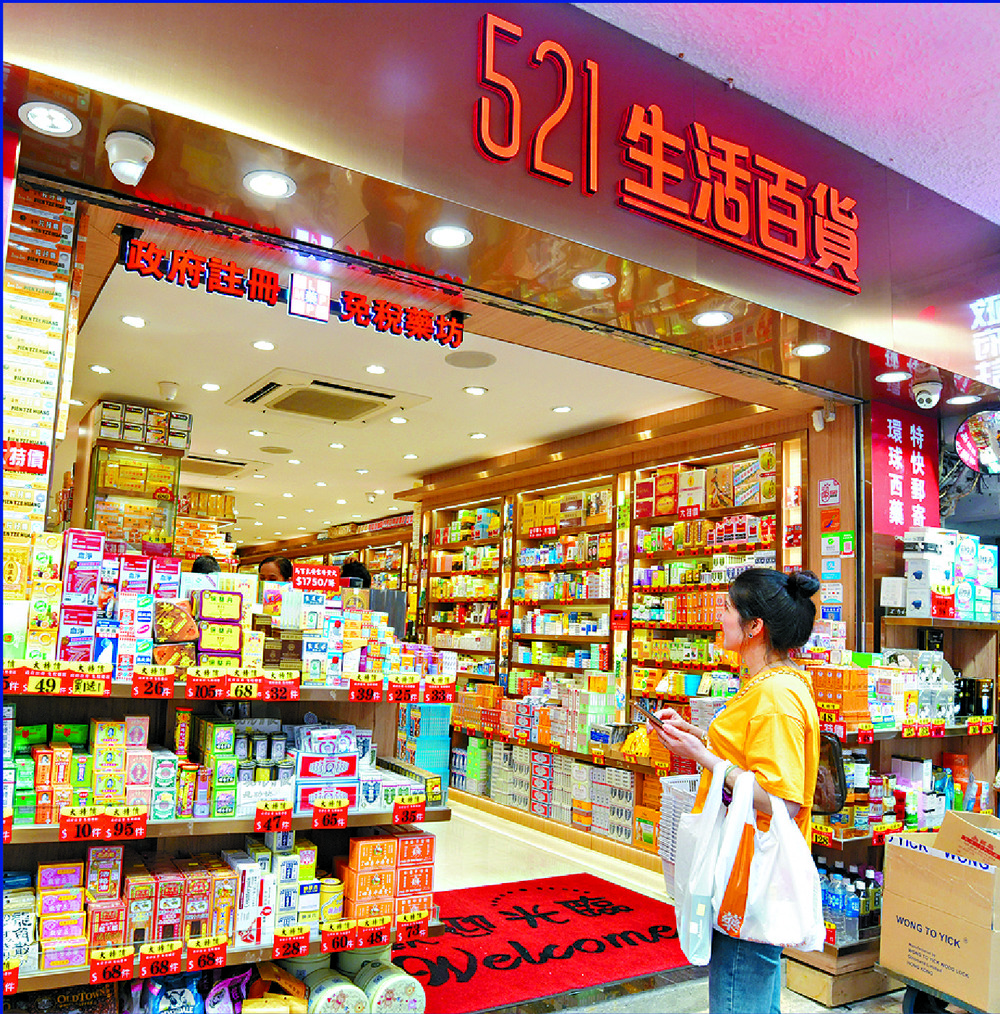
The Consumer Council has named and shamed Causeway Bay four pharmacies for misleading practices that forced customers to shell out 10 to 16 times more than they thought they would pay.
The four - City Medicine, Medicine Palace Living Plaza, Global Medicine and On Hong Medicine - mainly sell Chinese herbal medicine and dried seafood.
The watchdog received 96 complaints against the four between 2021 and last month.
Forty-nine cases were recorded since the border was reopened in February, of which nearly 80 percent were filed by tourists, including 37 mainlanders.
Most of the complaints involved the labeling of medicine ingredients or dried seafood, with the unit of weight seen in tiny fonts or in muted colors under the price tag in a way that was difficult to read.
City Medicine's shop was formerly occupied by Chung Wang Tong, another pharmacy publicly named by the council in 2015 for cheating customers.
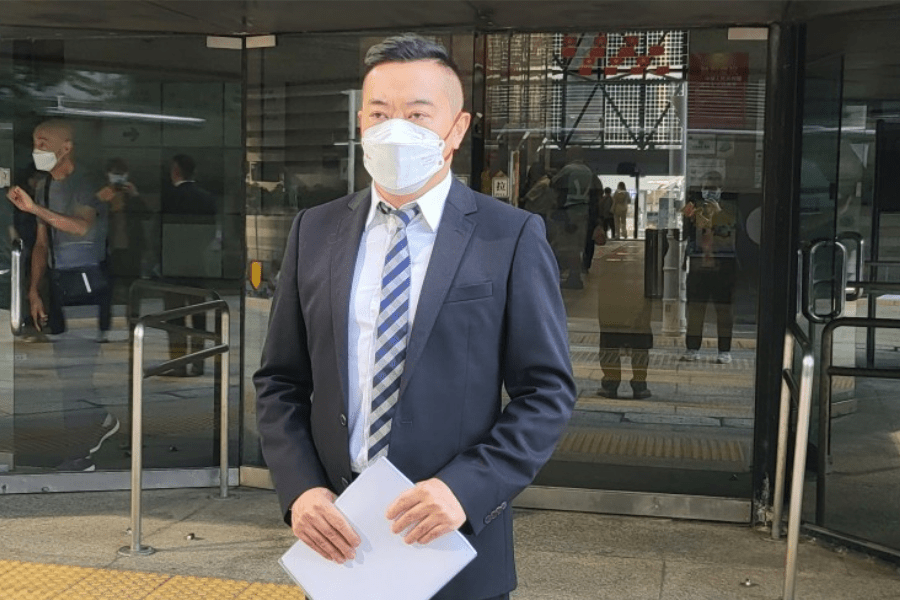
"The unscrupulous sales practices of the four traders not only greatly impacted the retail and tourism industries and affected tourists' experience, but also severely jeopardized the reputation of Hong Kong," said Tony Pang Chor-fu, vice chair of the trade practices and consumer complaints review committee.
Pang said shop assistants would greet a customer with "you don't look so good" and suggest Chinese medicines.
They would quote the price but omit the measurement unit and deflect inquiries on price per unit or vaguely reply that "one catty is equal to 16 taels in Hong Kong." This would lead some customers to misinterpret the labeled figure as the price per catty, when in fact it was the price per tael or even per mace.
Once a customer would express interest, the assistants would swiftly grind or slice the ingredients or dried seafood.
"The customer would only realize that the actual price far exceeded expectation when settling the payment," Pang said. "If the customer refused to buy the goods, the trader would force them to complete the transaction on the pretext that the goods had already been ground or sliced."
A mainland family of three was cheated of more than HK$100,000 - the highest among the complaints. The father paid HK$109,600 for Chinese medicine, which the shopkeeper said could ease his back pain.
He later felt cheated and reported to customs. He got back about HK$20,000 before leaving Hong Kong. He eventually got a full refund through a cross-border consumer-dispute mechanism.
A mainland tourist who got cheated said: "Not every tourist is familiar with the original price and some tourists will never come to Hong Kong again."
Customs said it has completed investigation of eight cases and charged six people and one company.
Pang said before reaching a decision on the naming sanction, they reached out to the persons in charge of the pharmacies and requested to meet.
He said an accounting representative for City Medicine and Medicine Palace denied any sales malpractices, but promised to relay the council's message to the management team. The person in charge of Global Medicine refused a meeting, but promised to improve their practices and handle the complaints.
But the four traders, according to Pang, did not honor their promise as the council continued to receive complaints. Pang warned that such malpractices might constitute the offense of misleading omissions and possibly violate the Trade Descriptions Ordinance.
Conviction penalties are a maximum fine of HK$500,000 and imprisonment for five years.
"In addition to sales staff who directly perpetrated the offense, other persons such as directors, managers and principal officers who consented to or connived in the offense may also be held liable," Pang said.
stacy.shi@singtaonewscorp.com