Read More




Morning Recap - October 28, 2026
3 hours ago







Office lottery dispute leads to High Court lawsuit over $33m prize
26-10-2026 17:24 HKT
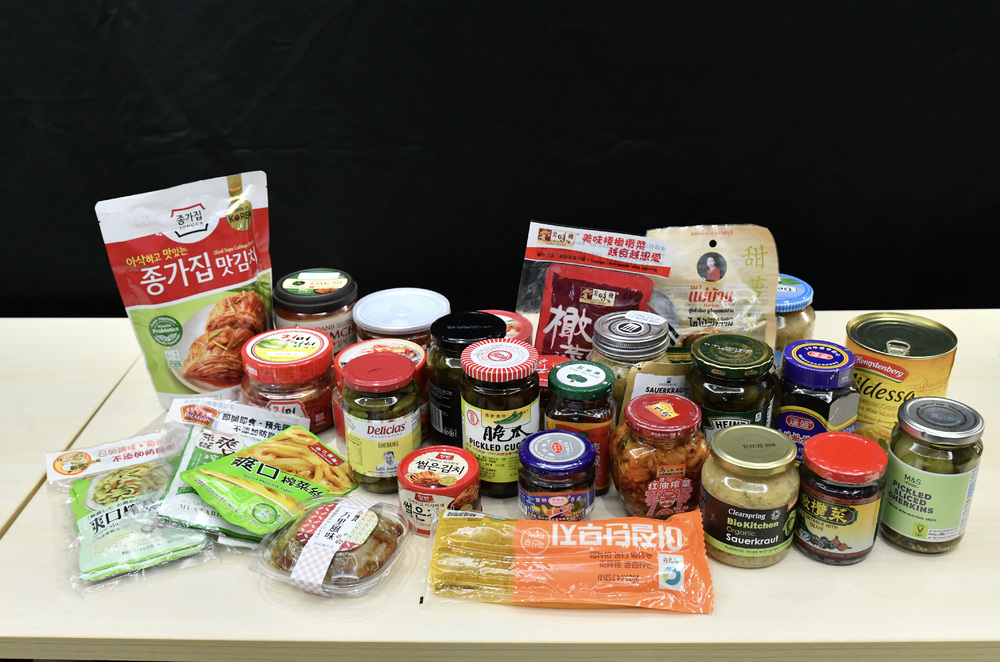
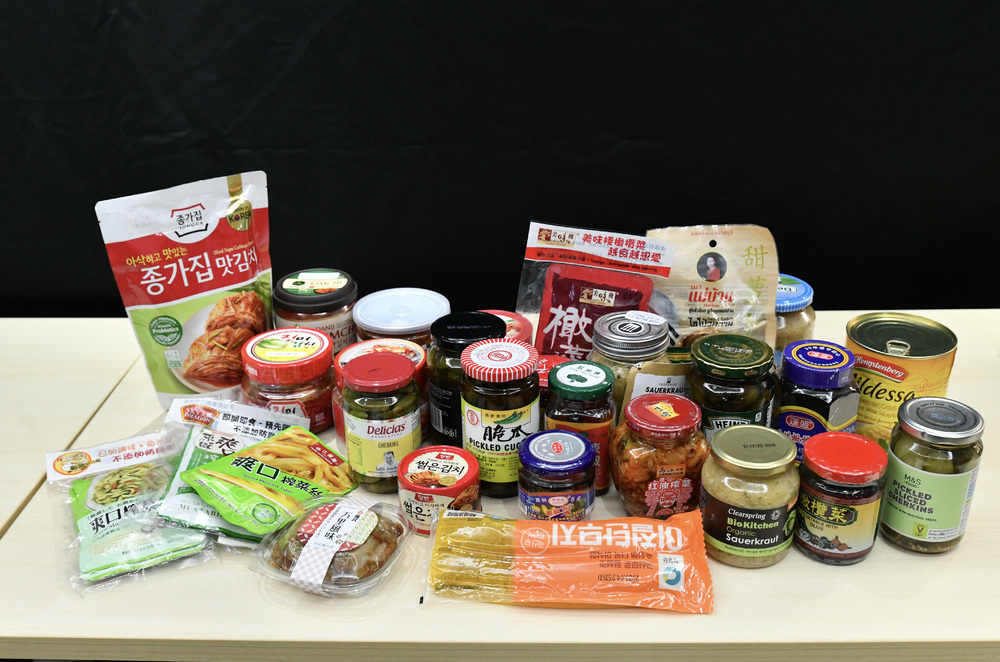
Most preserved vegetables are too salty and almost all are filthy with bits of insects, hair, metal and plastic fragments, says the Consumer Council.
The watchdog tested 30 prepackaged preserved vegetable samples - eight kimchi, four sauerkraut, five gherkin, five mustard tuber, four radish and four pickled mustard leaf with olive - which are sold in supermarkets and department stores for HK$4.30 to HK$82 a pack.
Twenty-six samples were high-sodium foods, with sodium content ranging from 641 to 3,080 milligrams per 100 grams.
The World Health Organization recommends that adults should consume less than 2,000mg of sodium a day, which is equivalent to about 5g of salt.
The sample with the highest sodium content was Peng Sheng's pickled mustard leaf with olive, with 924mg of sodium in 30g of pickles.
This is equivalent to nearly half of the WHO's recommended daily intake.
The council found the labeled value of sodium content for some preserved vegetables was lower than test results, with the maximum discrepancy being 1.5 times.
Eating too much salt for prolonged periods might increase the risk of hypertension and other diseases such as cardiovascular and kidney diseases, as well as stomach cancer.
The watchdog said people have to be aware they might have a higher sodium intake than expected when eating preserved vegetables. It urged manufacturers to provide nutrition information on the packaging so consumers could have clearer information.
Two samples were found high in sugar, and all pickled mustard leaf with olive samples were found high in fat.
The council tested the preserved products for the presence of pollutants and microorganisms.
Of 30 samples, only Foodcraft's Unpasteurized Living Original Sauerkraut had no light filth. Other samples had insects, acarid, hair, metal and plastic fragments.
Although most samples did not contain a lot of filth, samples of pickled mustard leaf with olives from Yummy House, Kun Xing Ji and Min Hong contained between 91 and 310 pieces of insect fragments per 100g sample.
Nora Tam Fung-yee, chair of the council's research and testing committee, said the "situation was beyond expectation."
The source of the light filth was from different steps of producing the fermented products, such as planting of vegetables, harvesting and fermentation process, said Tam.
Even though they may not be harmful to humans, the high amount of foreign matter indicated the need to improve product hygiene. She added: "If there's a high amount of filthy impurities, some manufacturers can do a much better job."
The council urged manufacturers to exercise stringent quality control over ingredients, finished products and the production process to enhance food safety and hygiene.
Tam said the council has forwarded information on the presence of insect parts to the Centre for Food Safety for follow-up.