Read More


Night Recap - June 10, 2026
1 hour ago







Bowie Woo, 94, sets Guinness World Record at star-studded concert
08-06-2026 18:03 HKT

Nine days of rain ahead as temperatures dip, Observatory says
09-06-2026 17:35 HKT
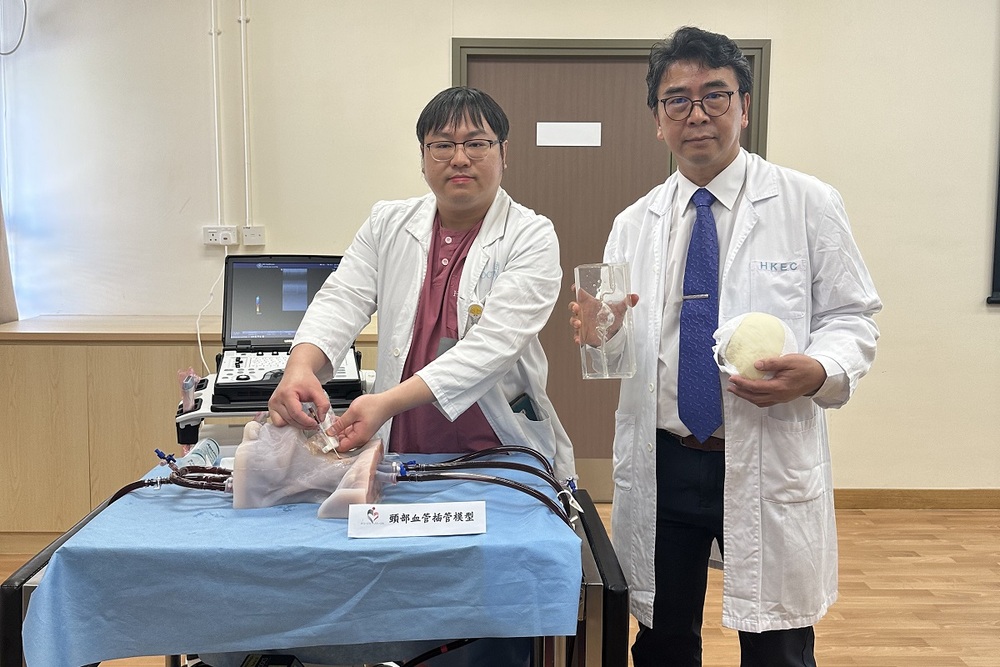
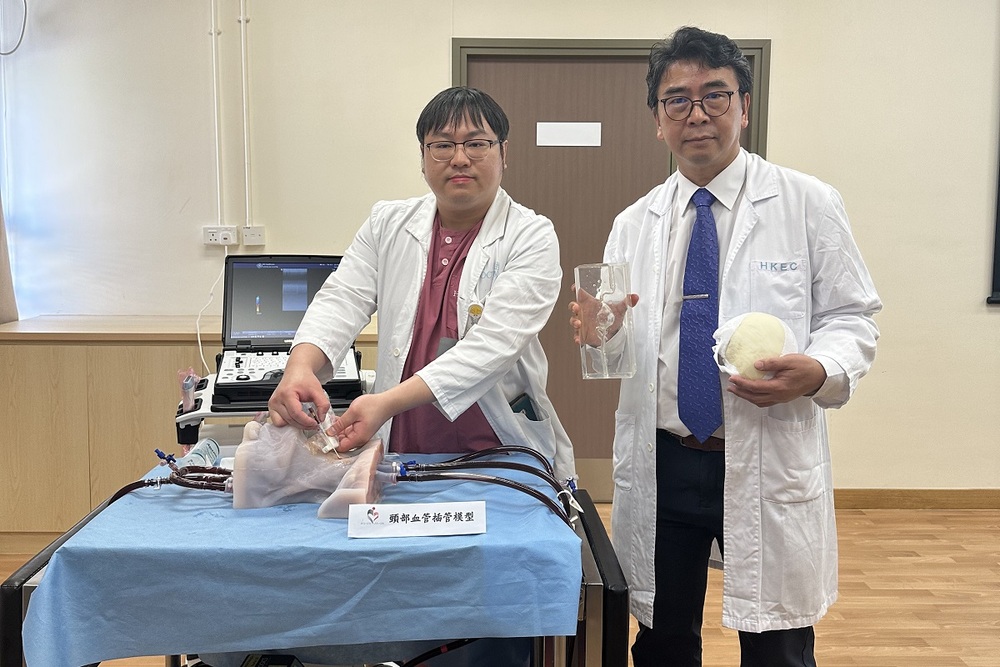
Doctors at Pamela Youde Nethersole Eastern Hospital have been preparing for surgeries and practicing with organ replica models using 3D printing technology, for which the hospital received a patent in November last year.
The models have textures similar to human organs and the internal structures could be observed with ultrasound scans.
The 3D models have been used by doctors in different departments, including neurosurgery, the intensive care unit, medicine, and surgery departments.
To create these models, the doctors first conduct scans using computerized tomography, magnetic resonance imaging and positron emission tomography with patients to obtain scans of the target organs.
With the scans, the team could understand the internal structure of the organs. They could use the scan to create the 3D configuration of the models.
The team could create the model with different materials, such as acrylic plastic and wood, to create models that replicate the texture of the human organs.
Hung Cheung-yu, the assistant consultant of the Neurosurgery Department, said that the technology is useful in training and planning before the surgery. “We could be able to observe the fine details of the patients organs with the models. This helps us to understand the internal structure of patients’ organs, allowing us to formulate clearer, more accurate surgical plans,” he said.
The models were also good practice tools for doctors before conducting the surgery. “In the past, amateur doctors did not have the chance to practice conducting surgeries. They could only watch the demonstration by their seniors and learn by observation.
“With this technology, amateur doctors could learn how to perform the surgery by trying it on the model. This helps in boosting their confidence as they have more practice on the replica of the real organ.”
Hung said the department could use 3D printing to produce skulls for patients using bone cement.
Carrison Tong Ka-shun, the hospital’s medical physicist, said that the demand for these models had increased.
“At first, only a few departments asked me to help develop these models. And now, more and more departments have asked me for these models to enhance their patient care.”
He also said that he was collecting data and planning the production of organ models for children.
The hospital introduced 3D printing in producing training models in 1999.