Read More
Support for elite athletes has been improving with secondary schools arranging flexible school hours for them, Hong Kong Sports Institute chairman Tang King-shing says.
ADVERTISEMENT
SCROLL TO CONTINUE WITH CONTENT
Tang, who became chairman in April, said on a radio program yesterday that the institute has been working with about 30 secondary schools to enable elite athletes to receive flexible schooling arrangements while training.
"We also make efforts to let students and parents understand that receiving elite athletic training at our institute and becoming an athlete is not a second choice if [one is] unable to continue academic development. This is no longer true nowadays."
The institute also has a partnership with universities to extend athletes' learning so that outstanding performers may enter universities directly, he said.
Tang said 49 athletes were directly admitted to universities last year, emphasizing the importance the institute places on athletes' dual development in sports and academics.
The government has set aside HK$1 billion in training elite athletes, compared to HK$200 million a decade ago, he said. The institute will continue to train athletes in a science-based approach and support 42 elite sports, he added.
Tang said the institute assists the government in elite sports training and he felt honored to contribute to the promotion of a goal that he shares with stakeholders of various sports.
Tang said the institute's second expansion project will be completed next year to provide more places for elite sports development. The government and the Jockey Club have also jointly funded HK$300 million to support sports science and medicine aspects to enhance athletes' performance in international events.
Meanwhile, the retractable roof steel structure for Kai Tak Sports Park arrived in Hong Kong last Thursday, he said.
Upon completion at the end of next year, the facility can accommodate 50,000 people and help the SAR in its bid to hold international sports events.
Tang believes the number of Olympic gold medals should not be used as the sole criterion to measure the achievements of Hong Kong athletes.
"Two-thirds of all countries participating in the Olympic Games have never won a gold medal. From this perspective, we should be proud of the fact that Hong Kong, as a special administrative region of China and with a population of only 7 million, has so many elite athletes who have competed at international level and achieved such good results."
"We should not only [remember] when Hong Kong wins a gold medal ... as there are so many people who contribute to the overall achievement."
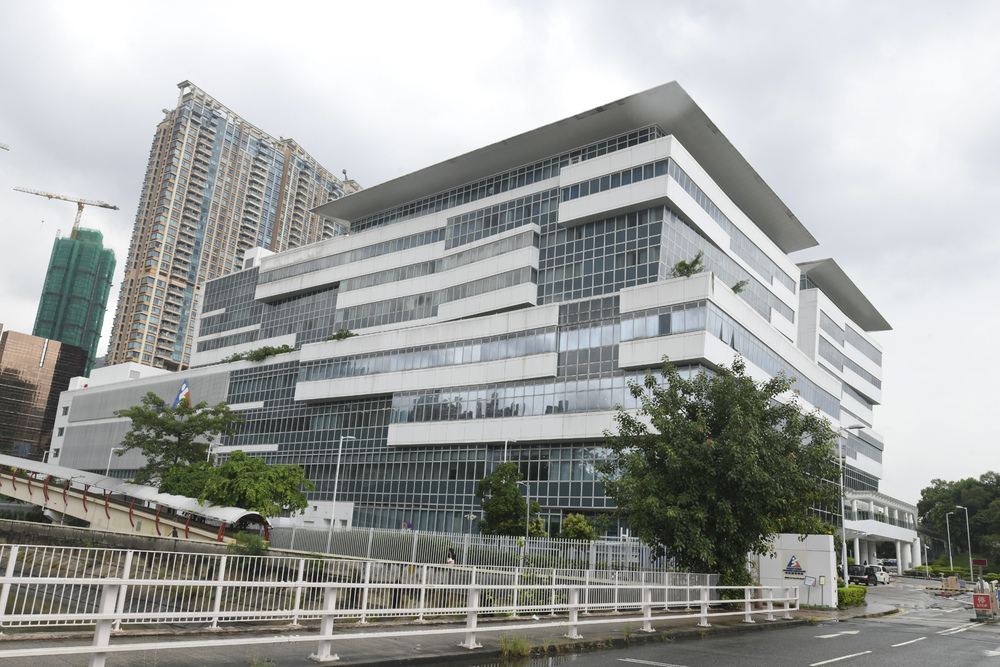
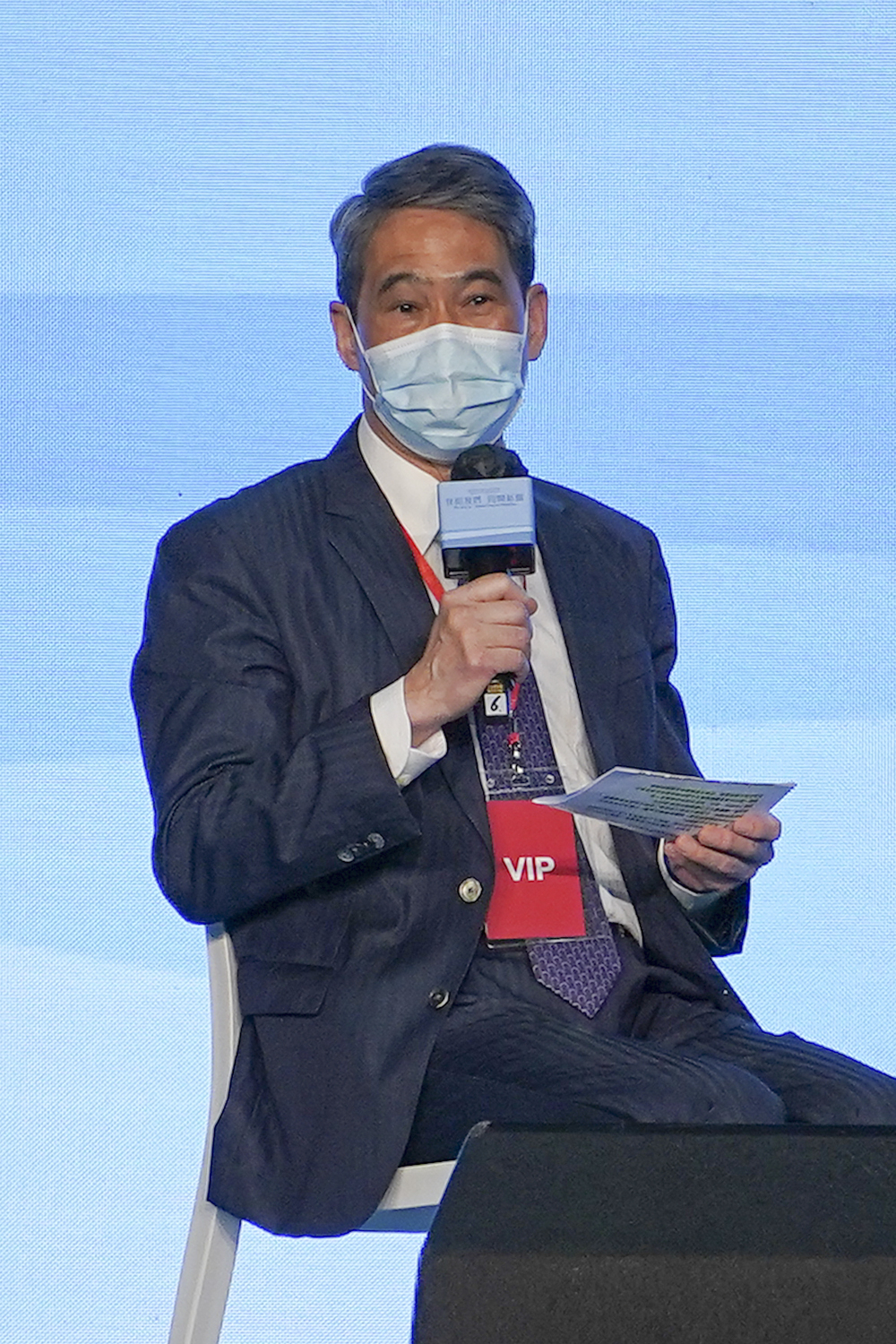
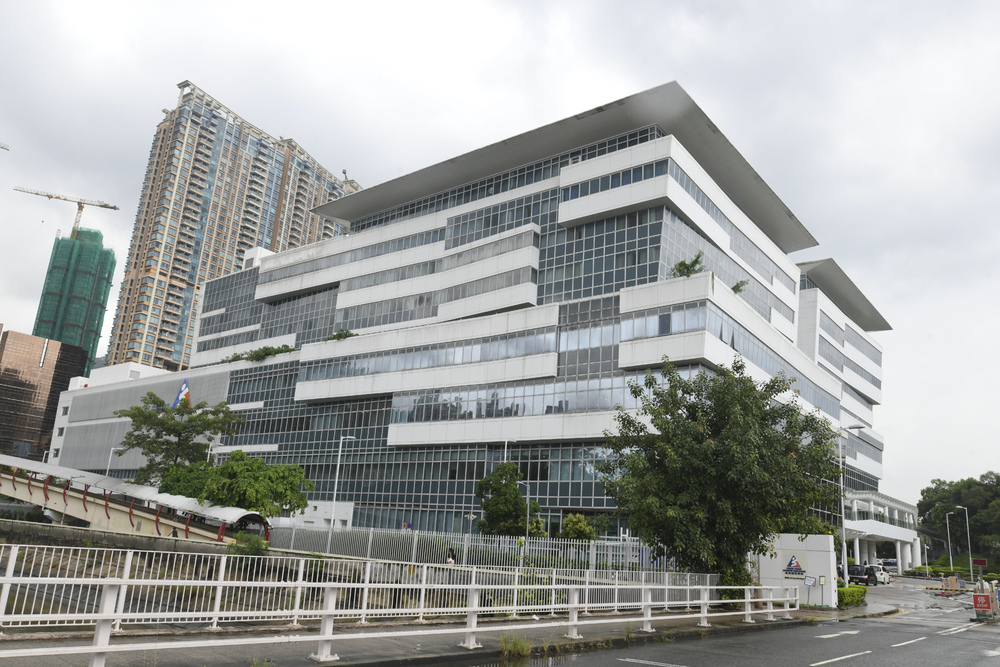
The Hong Kong Sports Institute will continue to train athletes in a science-based approach and support 42 elite sports, says chairman Tang King-shing.