Read More
The Education Bureau should set aside 3,000 to 5,000 undergraduate places at universities for overseas students, including top mainland and overseas achievers, the Hong Kong Federation of Education Workers said.
ADVERTISEMENT
SCROLL TO CONTINUE WITH CONTENT
This is among seven proposals it put forward yesterday to build Hong Kong into an international education hub.
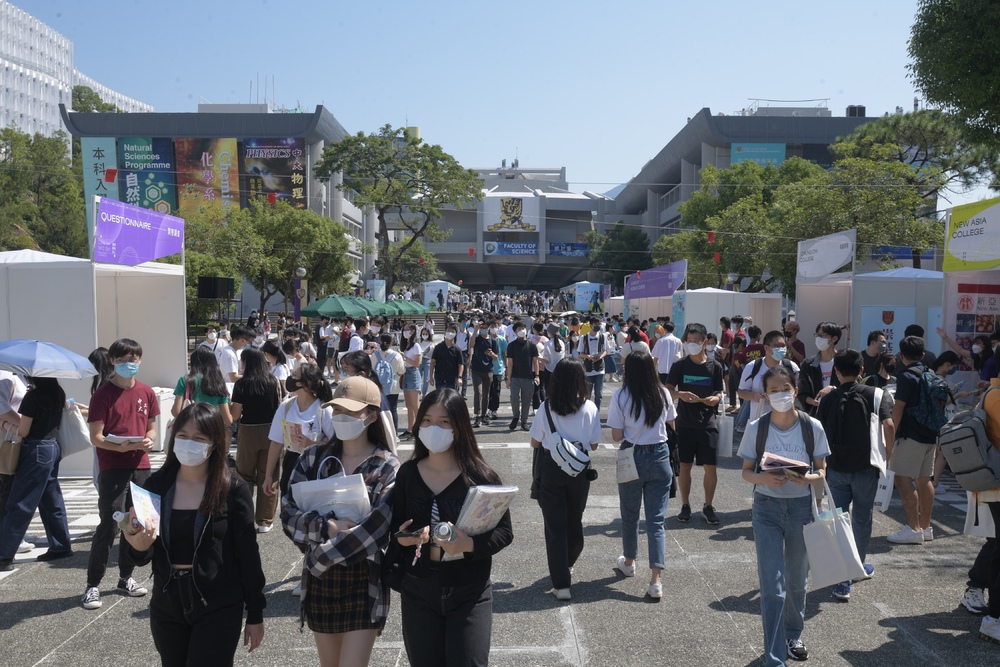
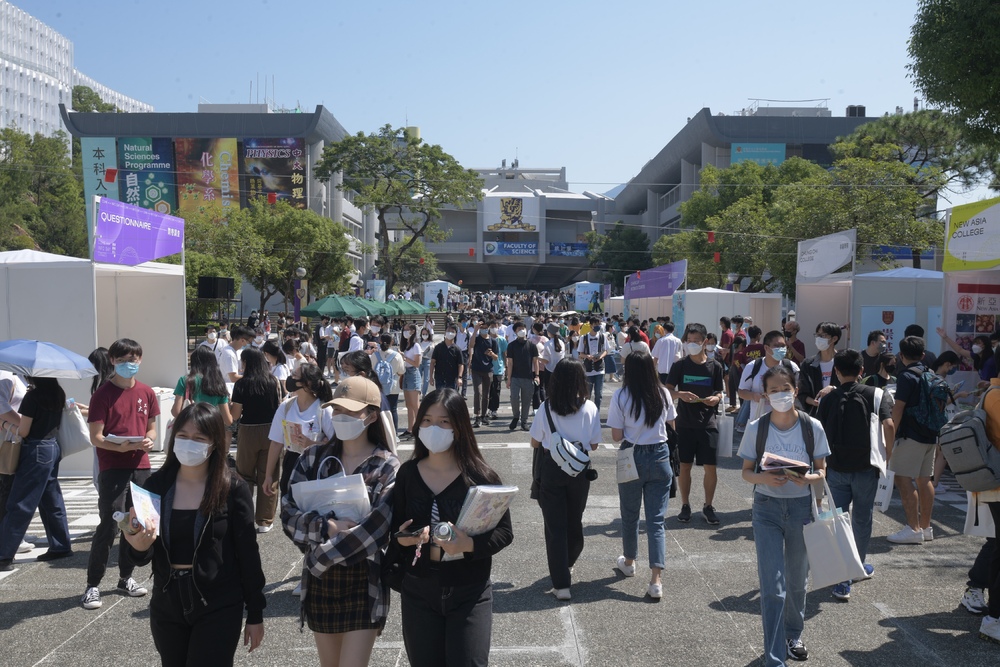
Federation president and Legislative Council member Lau Chi-pang said universities have seen a drop in the number of non-local and exchange students due to Covid.
And that can be costly in the dearth of exchanges of the different opinions and new ideas a diverse student body brings, Lau said.
"A uniform student body reduces creative motivation."
Lau said the bureau should set up a designated team to promote Hong Kong education and recruit students from south America and Africa.
The 3,000 to 5,000 places should be designated for overseas and mainland student who have excelled to attract talent, he said.
The recruitment policy could require non-locals to work here for five years after graduation by offering job opportunities and to boost the local economy, Lau said.
He also said many non-locals opt for self-financing institutions rather than the eight University Grants Committee-funded universities because they offer more applied subjects that cater to the market demands, including nursing and hospitality management.
It is difficult for the eight universities to set up new subjects given funding needs, he said, urging authorities to streamline the process to enhance the competitiveness.
Vice-president and Legco member Tang Fei sees an advantage in the rankings of five of the eight universities among the top 100 in the world.
But the SAR is facing regional competition, with Malaysia setting up campuses overseas and Singapore launching the Global Schoolhouse project to attract overseas talent.
"Currently, overseas institutions only come here to host education expos, but we rarely hold similar expos overseas," he said.
The group said the SAR should come up with a clear roadmap for the internationalization of education, figure out sources of admission and help non-locals with career development.
As non-locals face high living costs, subsidies, more dormitories and developing a host family system should be considered.