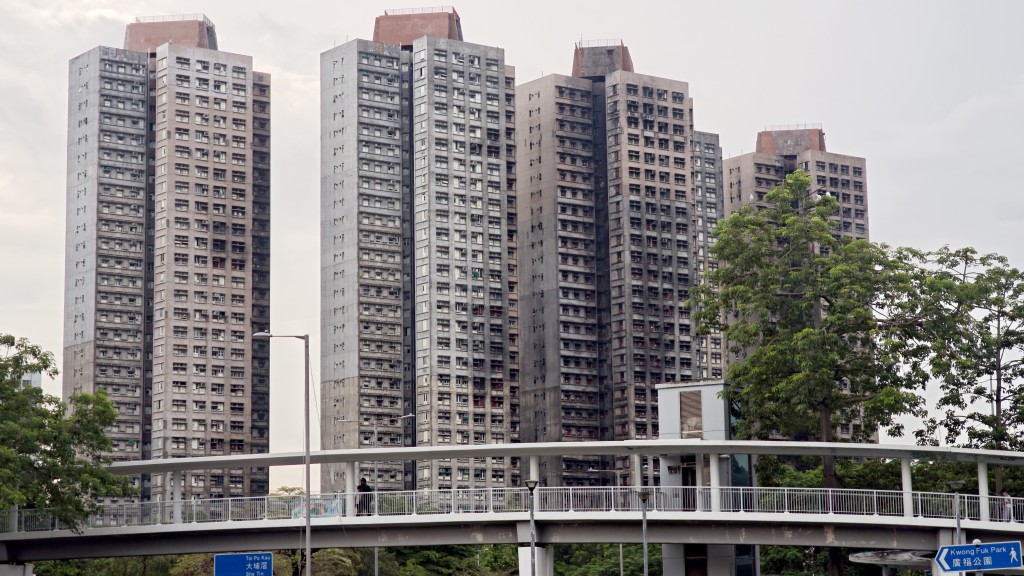
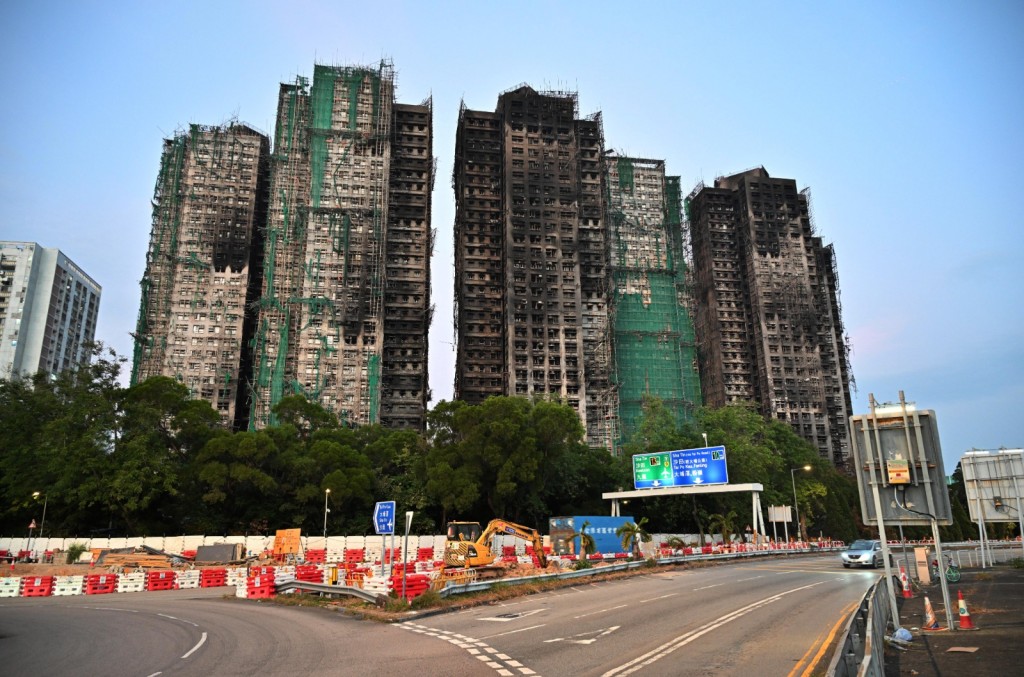
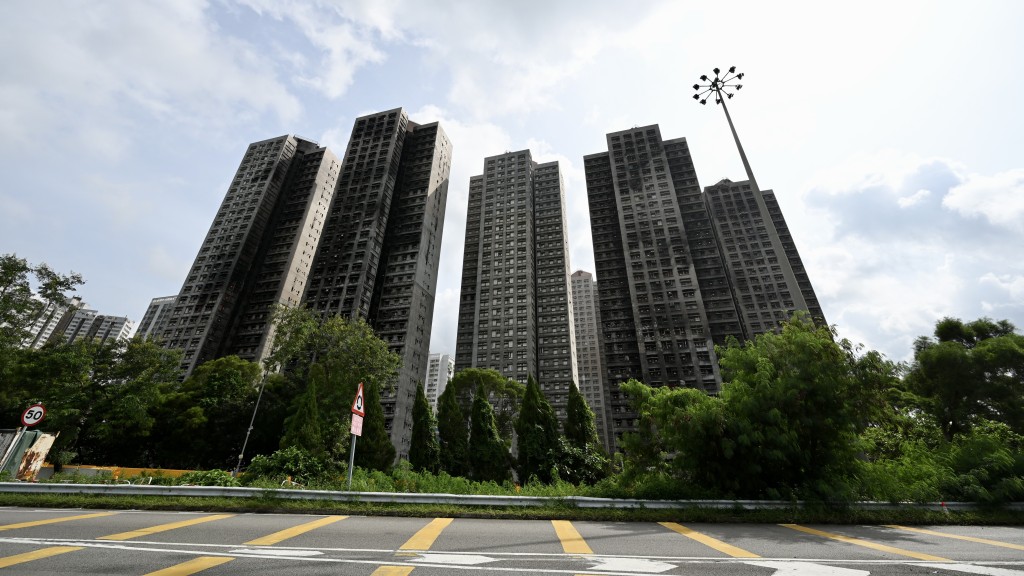
The devastating fire at Wang Fuk Court was the result of a "systemic failure" stemming from deep regulatory loopholes and was heavily fueled by a "chimney effect" built into the estate's recessed exterior design, a public inquiry heard on Thursday.
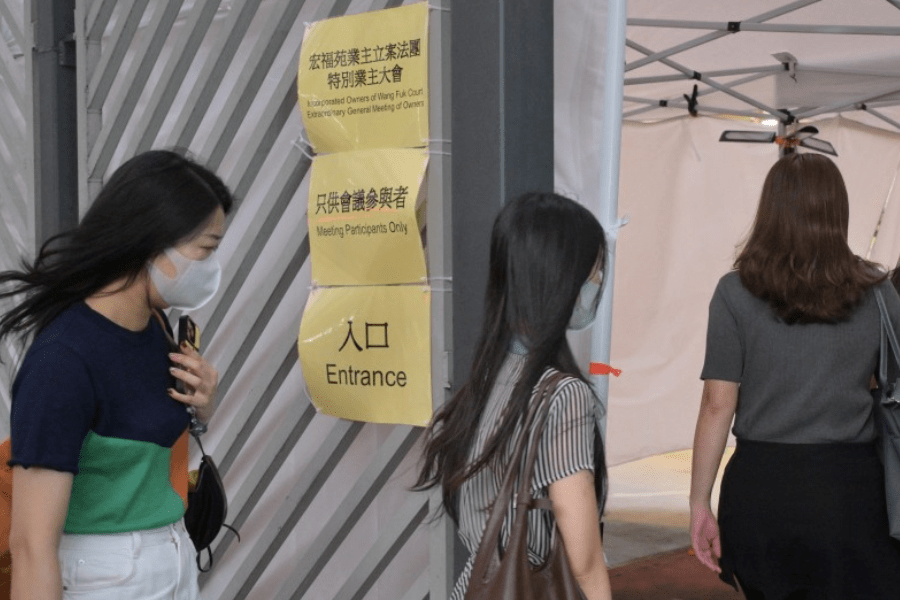
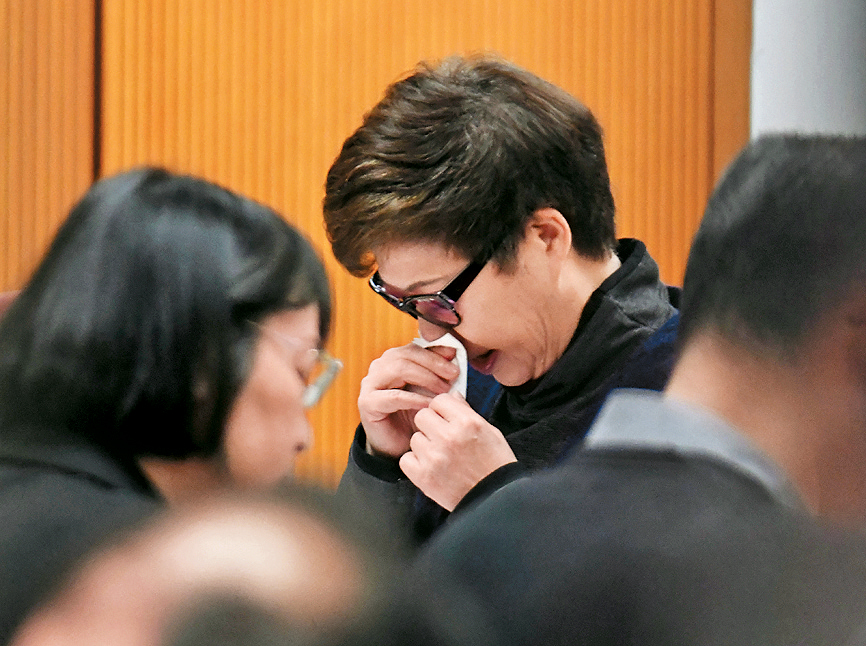
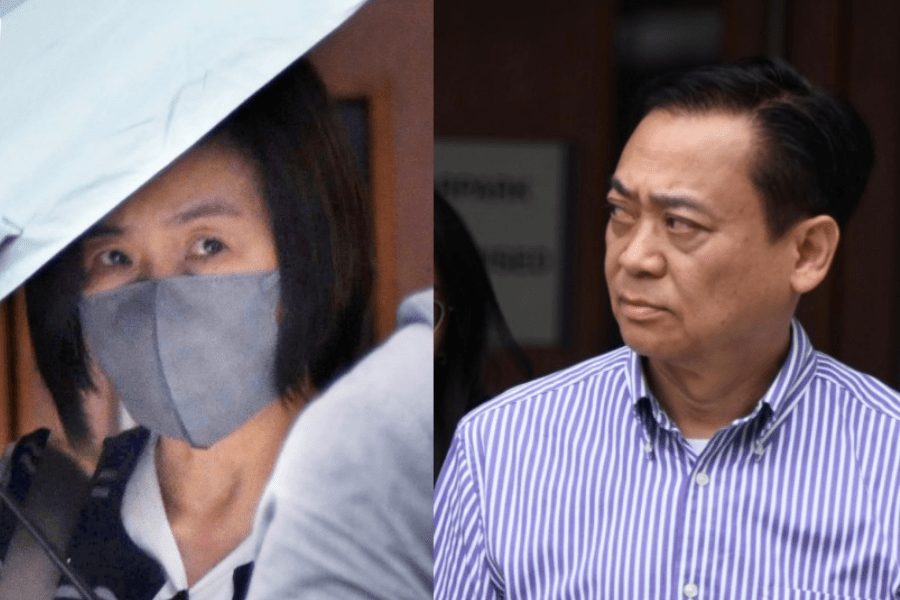
The findings emerged during the the last day of the fifth round of public hearing before closing submissions, as experts analysed the blaze that killed 168 on November 26, 2025.
Architectural design exacerbated vertical fire spread
Speaking at the hearing, Professor Asif Sohail Usmani, a chair professor of Building Science and Fire Safety Engineering, agreed with the government's inter-departmental investigation findings that a chimney effect rapidly drove the vertical spread of the flames.
While most fires went through smouldering and flashover stages, he noted the estate's exterior design exacerbated the chimney effect, breaking windows and allowing fire to spread upwards.
Because the fire breached the apartments from the outside rather than originating within, the emergency escape routes at Wang Cheong House—the first residential block to ignite—rendered residents with virtually no time to react or evacuate safely.
He emphasized that this phenomenon is not unique to Wang Fuk Court, drawing parallels to notorious historical tragedies that were similarly worsened by chimney effects, including the 1987 King’s Cross fire and the 2017 Grenfell Tower fire in London, as well as Hong Kong’s own 1996 Garley Building disaster.
Although he agreed that the upgrade of the fire from Category 4 to Category 5 had been delayed, he stressed the scale of the fire was unprecedented, which limited firefighting efforts to prevent the tragedy.
He further described the blaze as a "systemic failure", criticizing the government for failing to address long-standing regulatory loopholes.
Call to review building regulaitons
He issued an urgent call for a comprehensive review of Hong Kong's building regulations and standards, pointing out that existing local laws focus almost exclusively on containing indoor fire risks.
He cautioned that exterior facades are equally vulnerable to fire, yet combustible materials are permitted for temporary works on the basis that they are not considered part of the building structure.
He also advised against having combustible materials covering adjacent buildings and called for stricter regulatory requirements, especially for high-rise buildings.
Additionally, he warned against reliance on fire-retardant safety nets, as they are merely materials that have passed specific fire tests and are not necessarily safe under all circumstances.
He cited Grenfell Tower, where materials that had passed tests still fuelled a deadly blaze, stressing the importance of evaluating the whole picture, such as building design and other building materials.
The public inquiry is scheduled to hear closing submissions from July 15 to 17.