Read More













New butterfly species found in Hong Kong could wreak a negative ecological impact, Green Power said yesterday.
The group found 4,800 specimens of 128 butterfly species last year in Shing Mun Country Park and Tai Po Kau Nature Reserve - a new high and an increase over the average recorded since the survey started in 2005, according to its annual solar terms phenological survey.
"Due to the increasing impact of global warming, there has been a notable increase in the number of species originating from tropical regions in recent years, contributing to a continuous growth in the overall number of local butterfly species," Yau said.
"The average temperature over the past five years has risen by about one degree Celsius from that between 2005 and 2017."
That warming has left a marked impact on emergence patterns that cannot be understated, Green Power said.
With butterflies being vital pollinators for plants, the altered cycles could have significant implications for the fruiting and pollination for various plant species, and therefore for the birds and mammals that feed on their fruits, it said.
The survey investigates relationships between local butterfly species, their solar terms as well as population size to provide insight into the variations and fluctuations in butterfly emergence patterns.
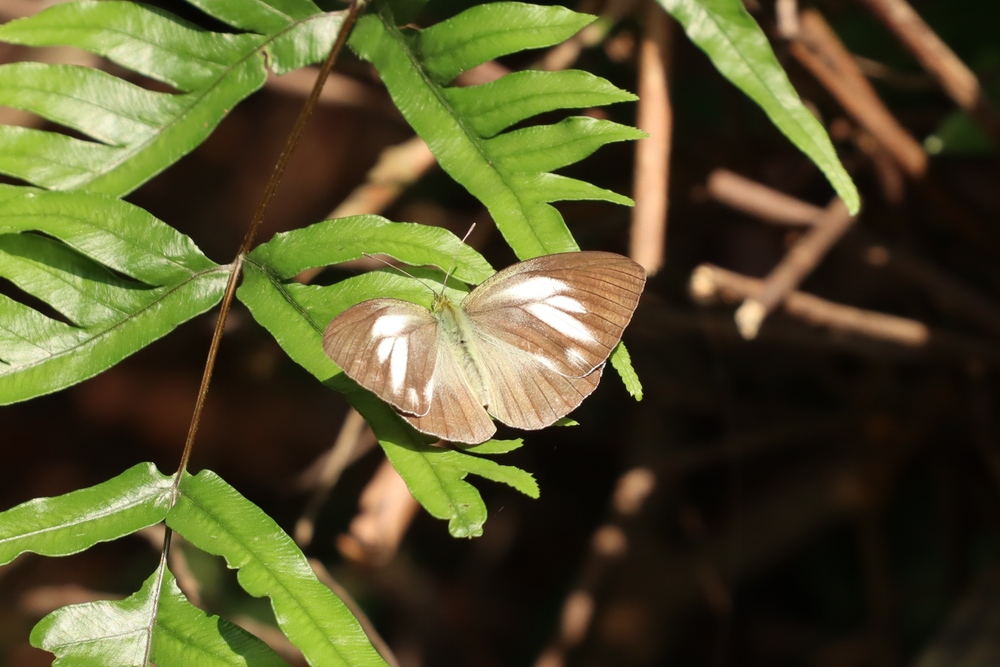
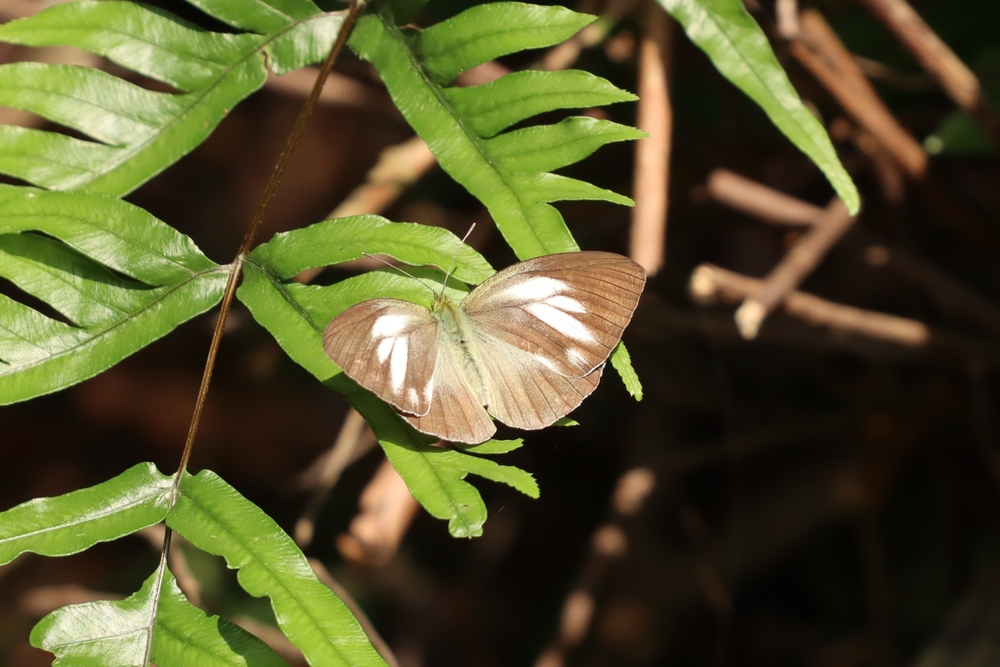
Assistant senior education and project manager Helen Yau Ching-yin said three species - the Lesser Gull (Cepora nadina), the Silver Royal (Ancema blanka) and the Fluffy Tit (Zeltus amasa) - were observed here for the first time.
Green Power noted significant changes in the emergence patterns of local species."Swallowtails emerge in three peaks a year: March, June and October. Global warming has affected all three. Temperatures in February have risen and spring has gotten warmer, so the first peak is less prominent," Yau told The Standard.
"Hot weather warnings usually happen in June, but the first warning last year occurred in April, pushing the second peak up to May. Due to the summer heat the October peak has become less prominent."