Read More


Night Recap - September 24, 2026
7 hours ago



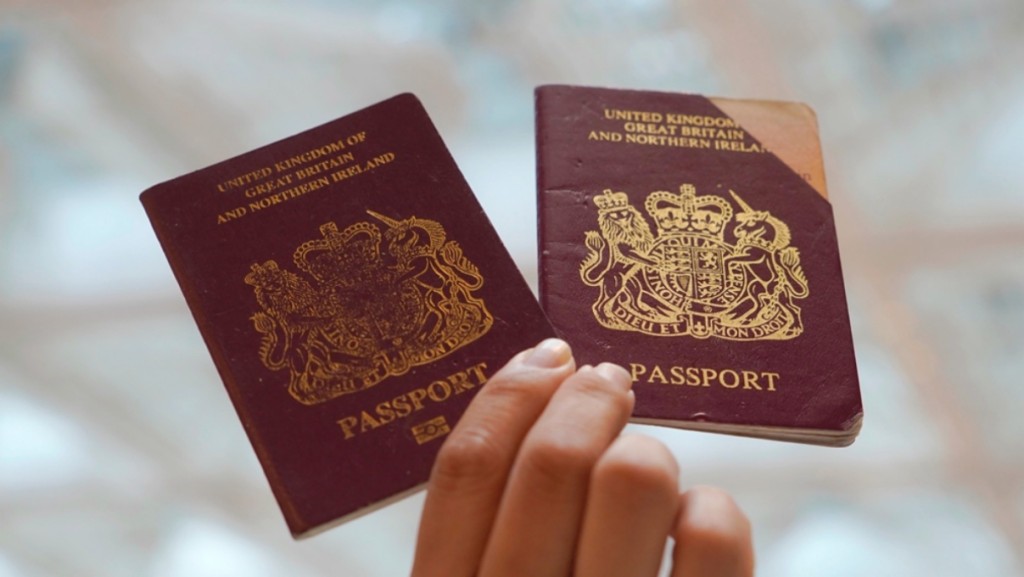
UK denies BN(O) visas to Hongkongers with protest convictions: report
23-09-2026 18:59 HKT


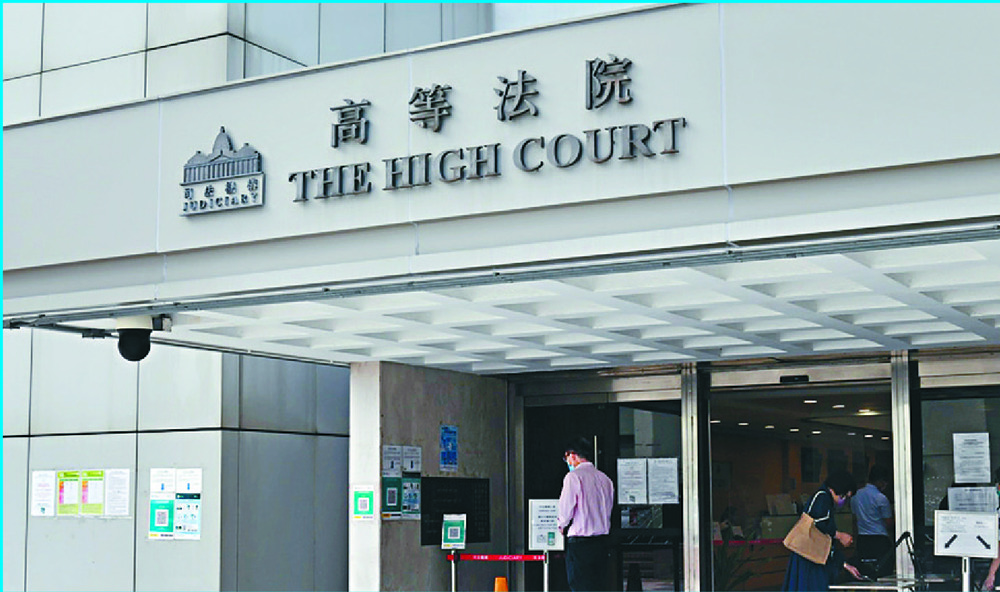
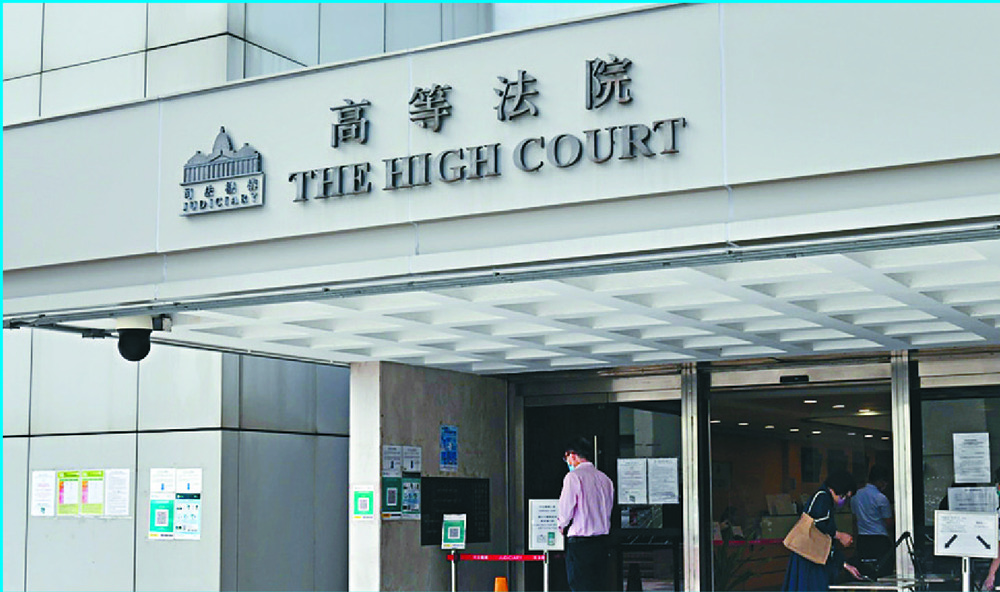
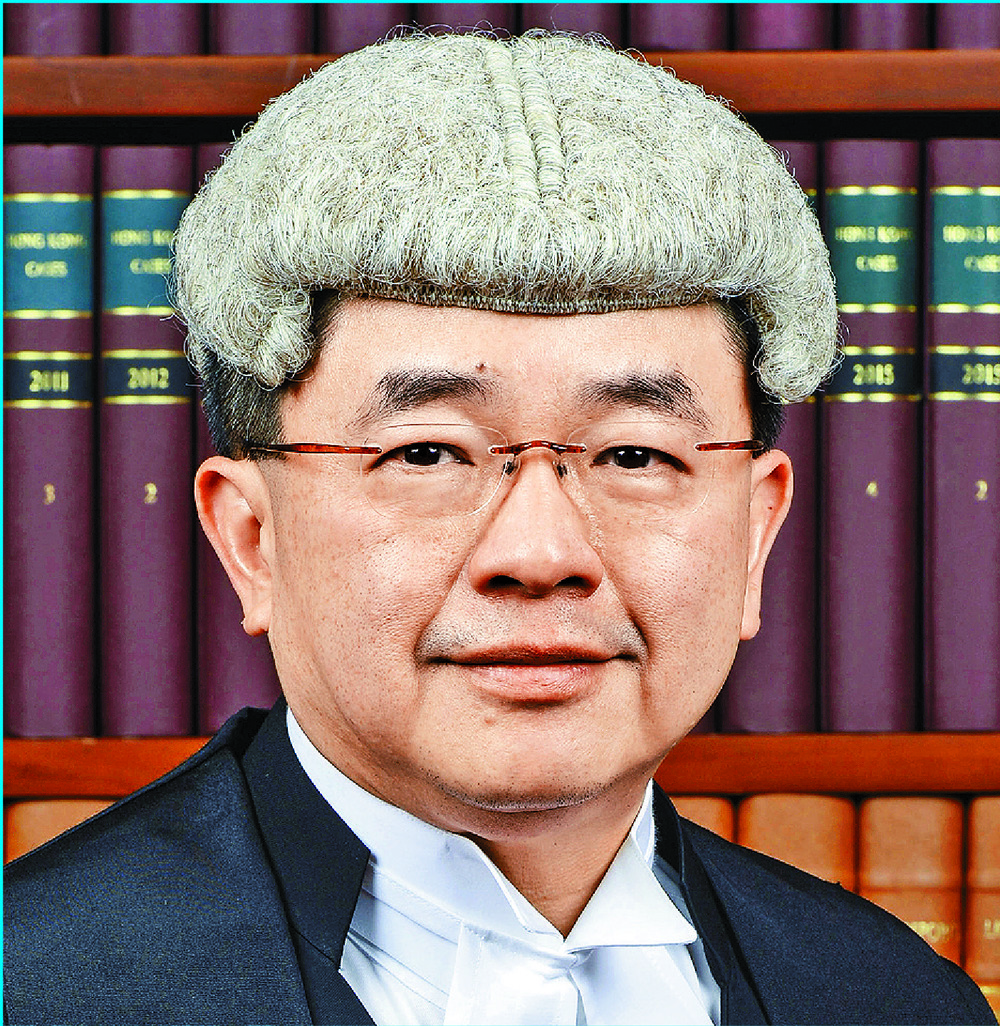
A High Court panel yesterday ordered a retrial of an intellectual property claim case, saying 98 percent of the judgment written by national security judge Wilson Chan Ka-shun was the plaintiff's written submissions.
Chan handled on Monday a government injunction request to ban protest song Glory to Hong Kong.
The seven defendants, including Singapore Medicine Co, Singapore Medicine (HK) Co Limited and Singapore Medicine Co Limited, appealed against Chan's decision in April 2021, saying the judge was involved in judicial copying.
The defendants said "paragraph by paragraph comparison" found "over 98 percent of the judgment were copied from the plaintiff Wong To Yick Wood Lock Ointment Limited's written submissions; among the remaining 2 percent, there is not one full sentence written by the trial judge in his own words." The plaintiff's counsel had not challenged the estimate.Vice-president of the Court of Appeal Susan Kwan Shuk-hing, Justice of Appeal Maria Candace Yuen Ka-ning and Godfrey Lam Wan-ho, who handled the appeal, said they found Chan copied every word of the plaintiff's submissions, except for replacing "the plaintiff" with the abbreviation "P," "the defendants" with "Ds,'" and "introduction" with "background."
The defendants argued that Chan failed to exercise his independent judgment in the matter and failed to give adequate reasons for coming to his decision.The defendants said Chan "had not brought an independent mind to his judicial function, or at least, had not been seen to do so," and asked the court to order a retrial. The plaintiff disagreed with a retrial.
Chief Justice Andrew Cheung Kui-nung said judicial copying was unacceptable and could affect the public's confidence in the judiciary. Cheung instructed the Judicial Institute to strengthen training for judges and judicial officers.Cheung and Chief Judge of the High Court Jeremy Poon Shiu-chor gave Chan a solemn admonition for the copying. Chan expressed his understanding and agreement.
The High Court panel said a judge was not permitted to copy either side's submissions, adding "a reasonable person can hardly be assured that the judge has been willing or able to apply his own intellect to the issues and to come to grips with them himself."The court ordered the appeal on judicial copying is allowed, the judgment set aside and a retrial before another judge, with an early date to be given.
"With regret, I have to say that the extent and quality of the copying in this case, given its nature, is cogent evidence rebutting the presumption, and would leave a reasonable person with a justified sense of grievance," said the judge panel. Chan, appointed Court of First Instance judge in 2017, is one of the designated national security law judges and handled the city's first case to be charged with violating Hong Kong's national security law.