Read More
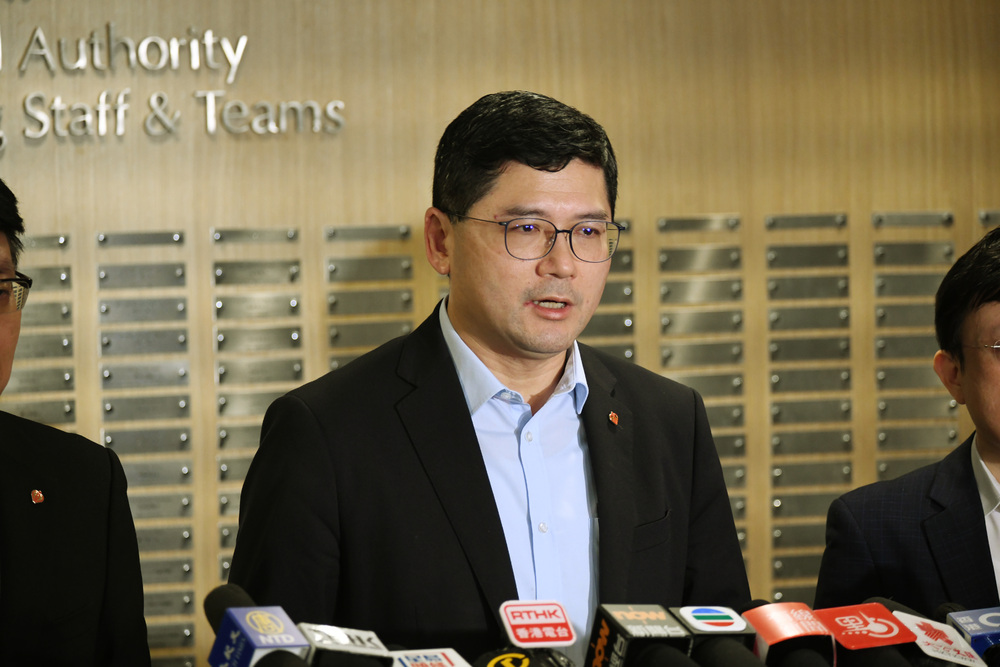
Proficiency in Cantonese is no longer a requirement for hiring medics for public hospitals and clinics as qualifications and clinical skills are more relevant factors for consideration, says Hospital Authority chief executive Tony Ko Pat-sing.
ADVERTISEMENT
SCROLL TO CONTINUE WITH CONTENT
Ko's comments came two weeks after he led a delegation to the United Kingdom to lure students and graduates of overseas medical schools to practice in Hong Kong in an effort to solve the city's pressing brain drain in health care.
The attrition rate of full-time doctors in public hospitals was 7.2 percent as of January, while the rate among nurses was higher at 11.2 percent.
Although the authority recruited 511 local and foreign-trained doctors over the past year - many of which are fresh graduates - more than 455 experienced doctors left the public sector in the same period.
Speaking at a Legislative Council meeting yesterday, Ko said proficiency in Cantonese is no longer a criteria when recruiting medics.
Some foreign doctors expressed an interest in working in Hong Kong when the authority visited overseas, said Ko, adding that the authority attaches more importance to professional skills rather than their language proficiency.
He said some doctors working for the authority through limited registration are doing well despite their language limitations.
"We have approached medical workers who will retire within the next five years and 80 percent of them are willing to extend their retirement age," Ko said.
The chairman of Hong Kong Patients' Voices, Alex Lam Chi-yau, told The Standard that the group supports the recruitment of overseas-trained doctors as members are aware of the brain drain.
"It would be best if Hospital Authority medical workers can speak our tongue because most people visiting public hospitals speak Cantonese," Lam said.
"But if doctors and nurses can speak putonghua or English, which are also commonly spoken in Hong Kong, they can still communicate with patients."
Lam said it is acceptable to hire medical staff who cannot read or speak Chinese, so long as they are not responsible for directly communicating with patients. These include anesthesiologists and those working in pathology.
"The authority should tell the public clearly of the duties of doctors who only understand English to ease their concerns," he said.
Lam said the authority should take responsibility if blunders arise due to miscommunications.
Liberal Party lawmaker Tommy Cheung Yu-yan suggested offering tax deductions to private doctors willing to serve in public hospitals, to which acting health secretary Libby Lee Ha-yun said authorities will consider.
"Private doctors could work at the authority to fulfill their social responsibility, but they could be allowed to pay less taxes. For example, those who work at public hospitals one day a week may get a 10 percent or 20 percent tax deduction and those who work more may enjoy an even higher deduction," Cheung said.
The authority, meanwhile, said it is still carrying out inspections and reviewing guidelines for maintenance of medical equipment.
"We will increase the frequency of old building inspections with the help of new technologies," Ko said.
He added that more than 100 buildings are over 50 years old.
wallis.wang@singtaonewscorp.com
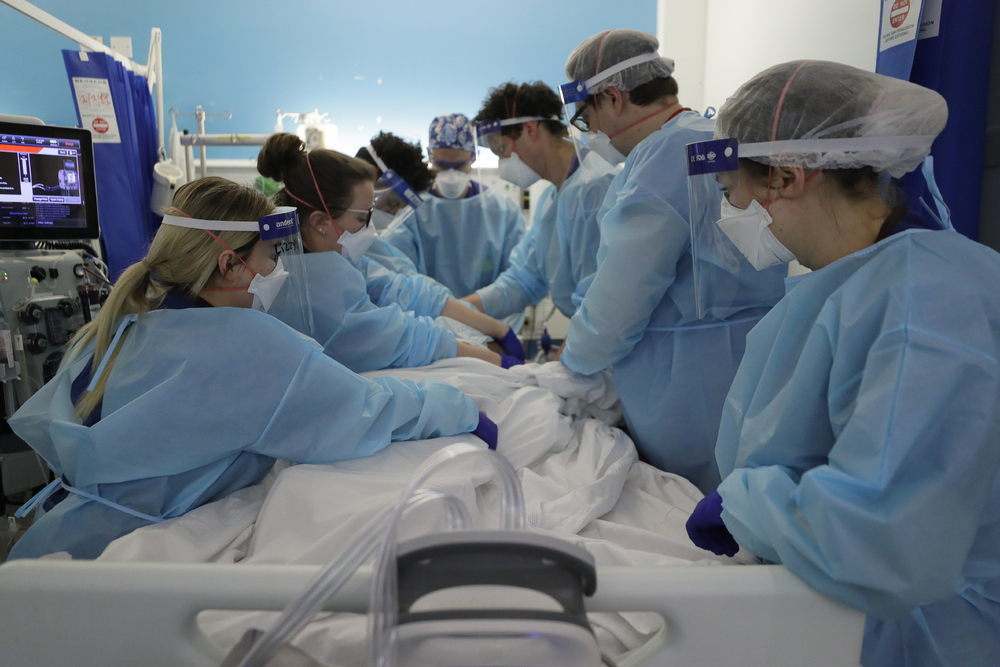
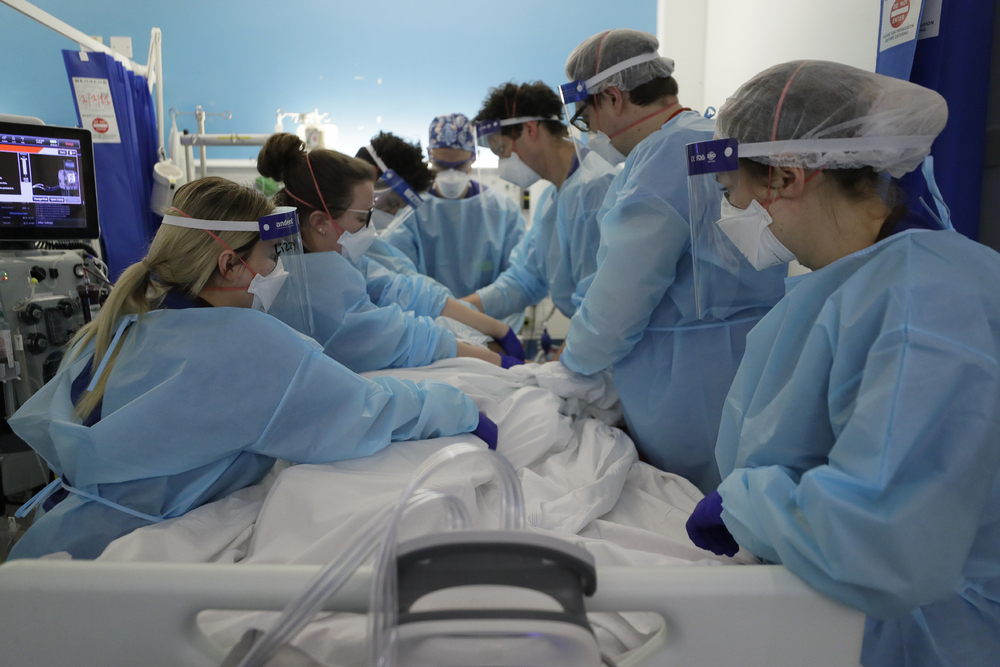
Medical staff at work in a London hospital. Tony Ko says some foreign doctors have expressed an interest in working in Hong Kong.SING TAO, AP