





Read More




Night Recap - June 7, 2026
3 hours ago



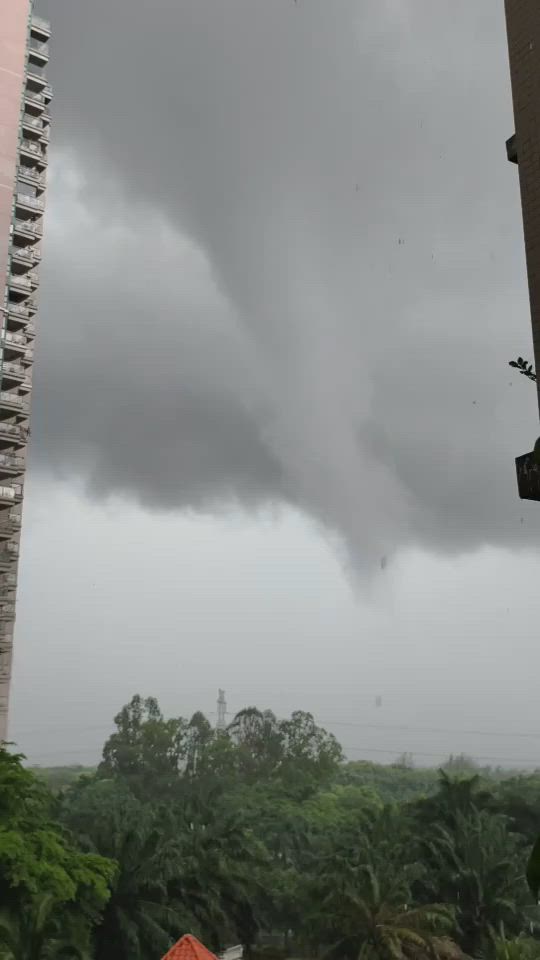
Waterspout captivates border residents amid thunderstorms and heavy rain
06-06-2026 17:03 HKT
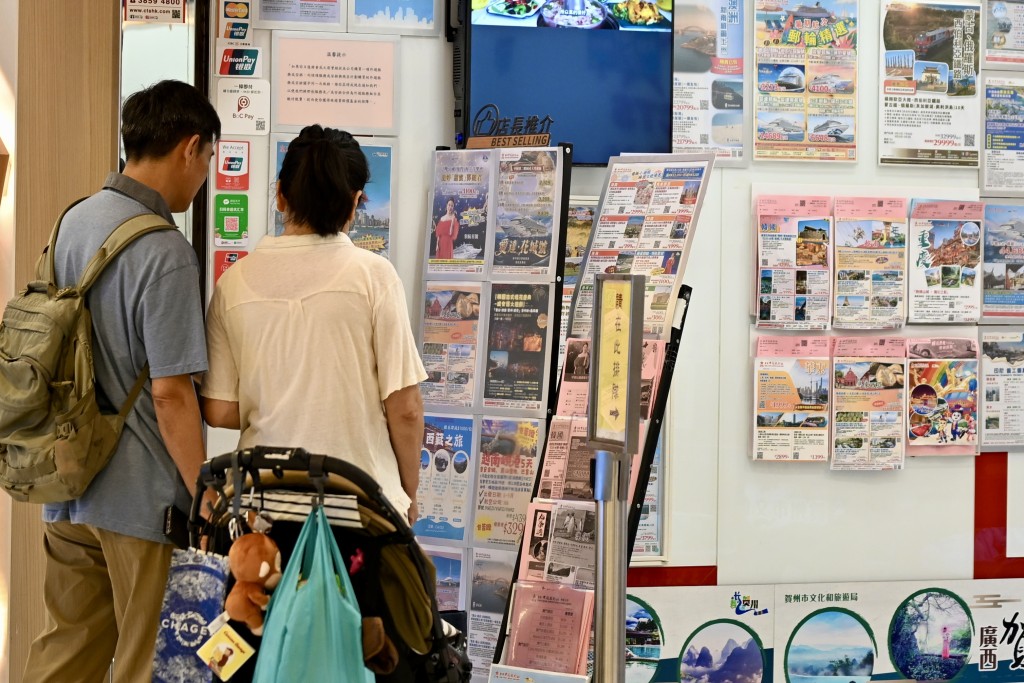
Shop owners in the parallel-trading center of Sheung Shui say they are being "sacrificed" since parallel traders returned after the border with the mainland reopened.
Landlords are making shops and eateries give up their business unless they are willing to pay substantial rent increases, they said.
Residents in the district are also suffering, the businesses added, because they no longer enjoy the traditional Chinese food offered by small eateries or buy livelihood products from small shops.
At least five small eateries or livelihood stores – including Chun Yuen Noodle Shop, which has been open for more than 40 years, and 20-year-old rice noodle rolls shop Ming Kee – have shut down or will close by the end of the month.
Their landlords have raised rents by at least 33 percent, forcing them to move out, with the premises likely to be let to parallel trading companies, the businesses said.
Rents in Sheung Shui were already high before the pandemic, with a 700-square-foot shop renting for as high as HK$320,000 a month in 2018.
Since the border reopened on February 6, parallel traders have returned to Sheung Shui– triggering rent increases.
One owner, Chan, in her 50s, said her shop will close on March 26 after the landlord raised the rent by almost 30 percent.
Chan, who is also a resident of Sheung Shui, said she was warned by her landlord about the increase at the end of last year.
The landlord has already found a new tenant, she added.
Many Sheung Shui residents expressed their sadness about the closures on social
media, with some feeling the border reopening has no benefit to locals.
"Some landlords in Sheung Shui are leaving their shops empty to wait for these parallel-trading shops to rent them," online user
Hokchung Cheng said. Many parallel trading shops are pharmacies or cosmetics stores.
Another online user, Sam Fong, said:"Many of the livelihood stores are turning into cosmetic shops.
Recently I have seen three shops have their grand opening."
A woman, Li, who works at a salon in Shek Wu Hui, said she is seeing fewer local residents on the street after the border reopened.
"Many locals have moved to the mainland after the border reopened, I guess. Even if there are more tourists now, they will leave shortly after they buy what they want and will not dine in the restaurants," Li said.
North District councillor Cheung Chunwai said “many shop owners are forced to make sacrifices” by moving their business online.
"The rents are increasing, and I have heard from one of the shops that they have to pay HK$20,000 more every month," he said.
Another North District councillor, Jasper Law Ting-tak, urged authorities to enhance enforcement to combat parallel trading.
"I saw officers from the Food and Environmental Hygiene Department patrol more frequently after borders reopened, but they prosecute locals most of the time, based on my observation," he said.
The department, a spokesman told The Standard, conducted 120 operations in Sheung Shui from January 8 to March 8 and issued 265 fixed penalty notices against littering and shop-front extension offenses.
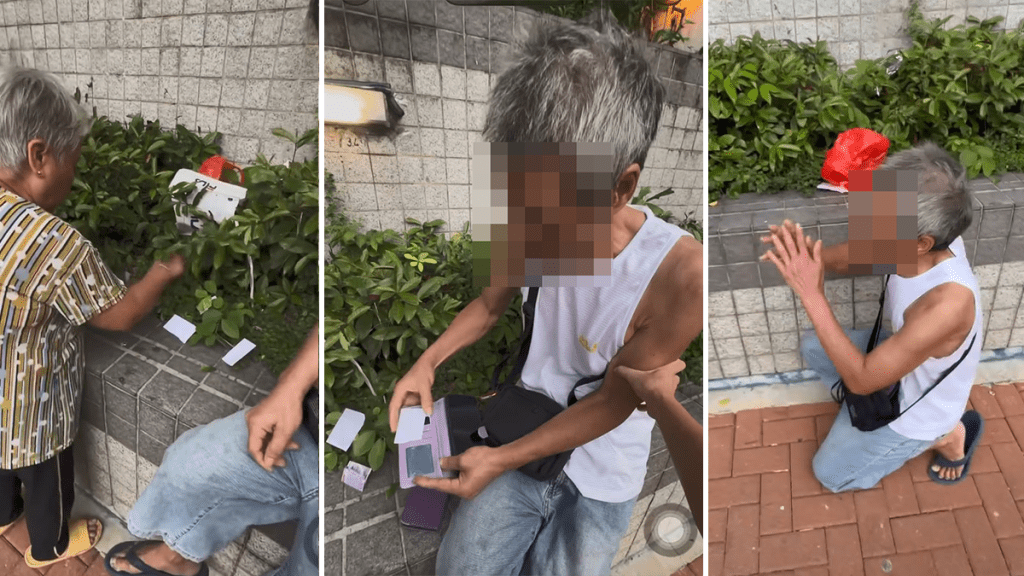
A spokesman from the Customs and Excise Department said it made two arrests this year involving smuggling mobile phones to the mainland.
The Immigration Department said it arrested two mainland parallel traders – a man and a woman – last week and seized cosmetics and health supplements.
eunice.lam@singtaonewscorp.com