Read More




UK denies BN(O) visas to Hongkongers with protest convictions: report
23-09-2026 18:59 HKT
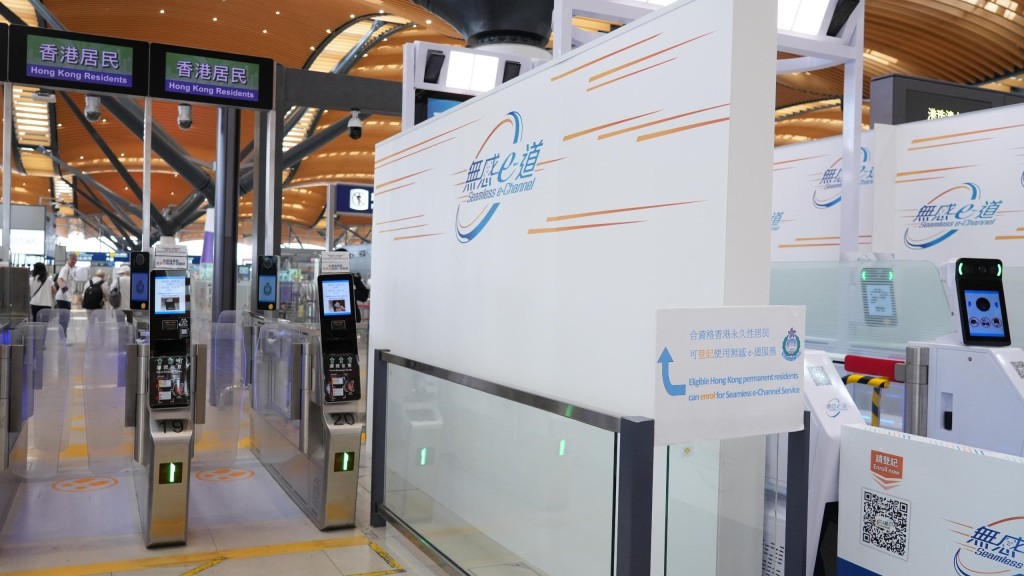
Hong Kong relaxes eligibility for HZMB Seamless e-Channel service
24-09-2026 20:01 HKT
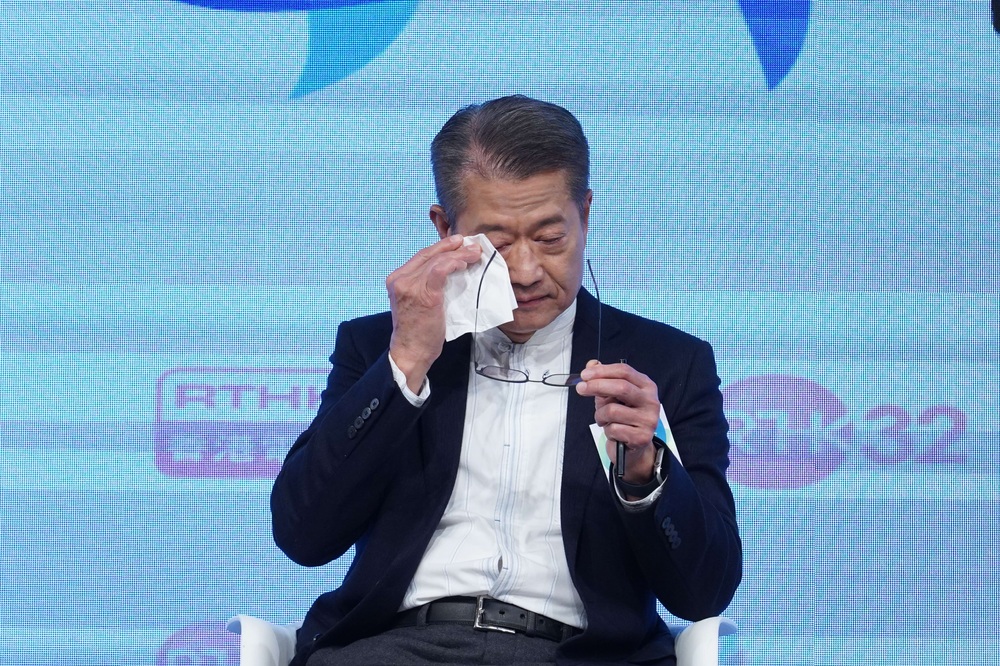
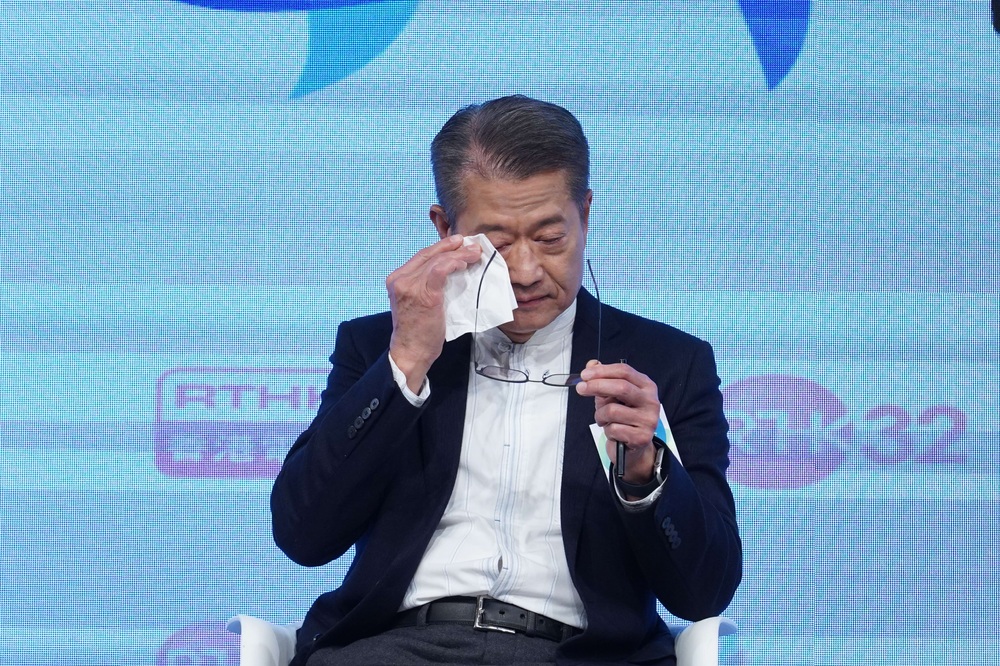
Expect the tax burden to be heavier as the fiscal policy of the next budget will shift from "expansionary" to "relatively balanced" due to huge deficit from three years of Covid pandemic, Financial Secretary Paul Chan Mo-po warned yesterday.
Writing in his blog yesterday, Chan said the biggest challenge for the 2023/24 budget, to be delivered on February 22, is the large fiscal deficit of over HK$100 billion.
Due to the pandemic, the government has seen less revenue from taxes and government fees, while expenditure in the past three years for anti-epidemic measures have reached over HK$600 billion, he said.
"These two factors have caused an all-time high fiscal deficit of over HK$200 billion in 2020/21. We are also expecting a fiscal deficit of over HK$100 billion in 2022/23," Chan said, while the deficit for 2021/22 was over HK$250 billion.
The fiscal reserve has fallen to about HK$800 billion, equivalent to 12 months of government spending.
Chan said the government has adopted "expansionary fiscal policy" during the pandemic to support people and small and medium-sized businesses through counter-cyclical measures, and maintain public and market confidence.
The economy will be better than last year in the post-pandemic period as anti-epidemic measures have been gradually lifted and borders reopened, so it is unavoidable for the expansionary fiscal policy to be tightened, he said.
The government will review how to help people and SMEs withstand the adjustments.
"But we still need to closely monitor the pace and intensity of economic recovery especially when market confidence is relatively weak at the beginning of the economic revival."
He said the business environment for some industries and workers' income could be lagging behind so there is no rush to get rid of all supportive measures in one go.
"Reducing expenditure is necessary but it is more important to raise revenue," Chan said.
He said authorities will minimize the impact to the disadvantaged when adjusting fiscal measures.
"I hope people understand and support some expenditures that we must cut, and there could be additional tax burden we need to share," he said.
"With full economic recovery and getting back its momentum, we hope that the public finance will improve. We must develop our economy better and stronger, so we can make a bigger cake and divide the cake better."
At a consultation program Saturday, Chan said he has yet to decide whether to disburse consumption vouchers this year amid mixed opinions.
Meanwhile, the Society for Community Organizations called on the government to reserve HK$60.4 billion for short-term measures for the grassroots, including distributing HK$10,000 living subsidy and establishing short-term aid for unemployed or underemployed.
The group suggested the government set up a windfall tax to certain industries such as energy and real estate, and increase profits tax rates to achieve "common prosperity."