Read More



Night Recap - June 11, 2026
6 hours ago

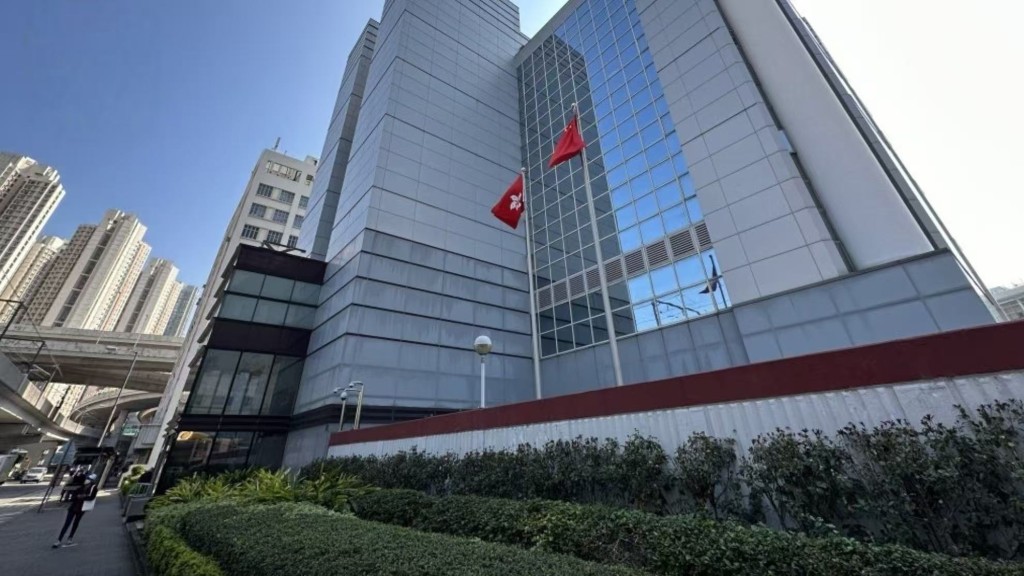
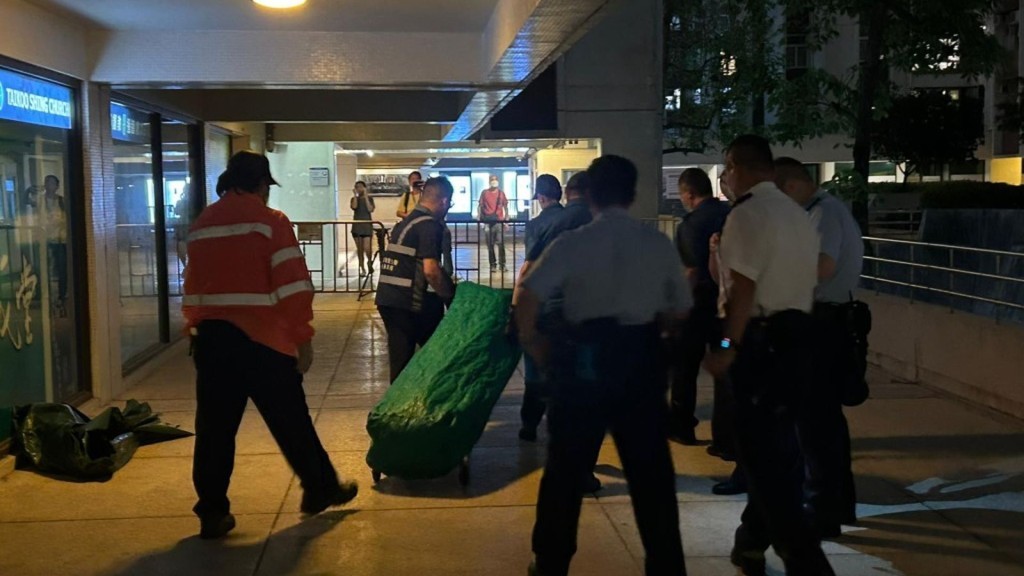
Mother and daughter die in successive falls from same Tai Koo Shing block
11-06-2026 00:05 HKT
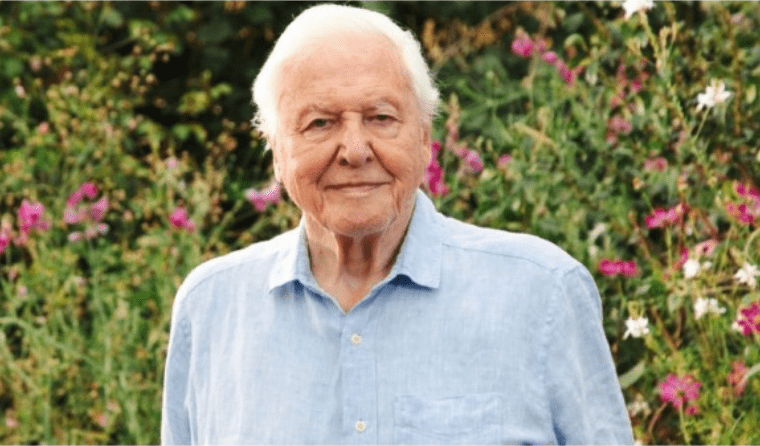
100 y/o biologist David Attenborough shares 4 longevity habits
07-06-2026 12:00 HKT
The government's HK$33.2 million funding to promote football this year has not been distributed to football schools fairly and players have been poorly paid, while Hong Kong Football Association management have been getting pay raises, a football veteran says.
Unlike Japan and South Korea which have shone in international football matches, including the World Cup, in recent years, Hong Kong - once acclaimed as the "Football Kingdom of the Far East" - has lost its sparkle on the pitch.
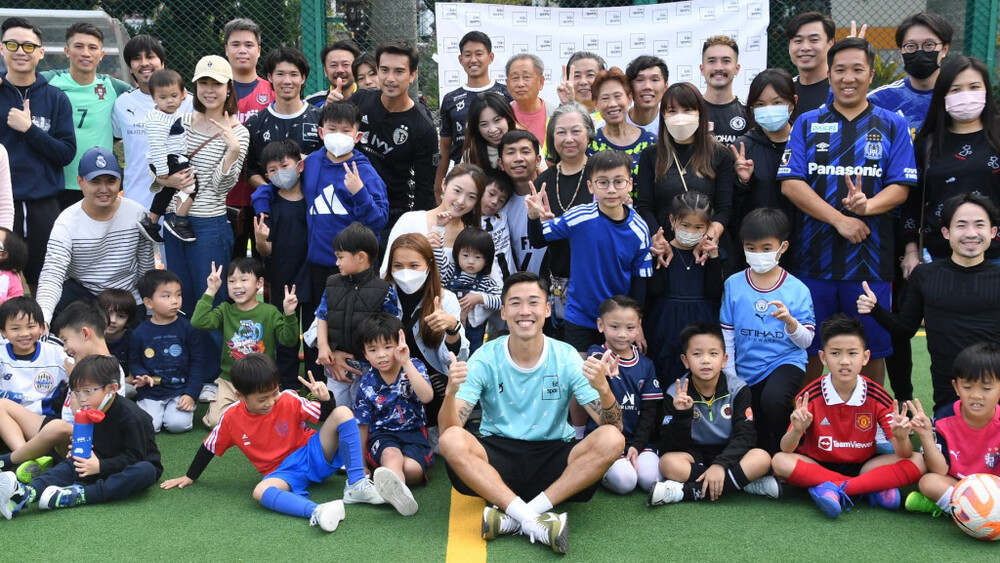
Hong Kong professional footballer Au Yeung Yiu-chung, who plays in the Japan Professional Football League and recently founded a football training school in Hong Kong, says he aims to bring Japanese-style training to local children.
"We're quite similar in terms of physique, so why were they able to perform so well in the World Cup? Our training regimens aren't that different, but they take football seriously - it's in their attitude," he said.
Football academies in Japan typically take a more structured approach, with more effective communication. Au Yeung said: "The coaches set goals for the kids so they can keep track of their improvement and progress."
The former Hong Kong national football team player also said he has hired Japanese coaches at his school, Edo Sports Academy at the Indian Recreation Club in Causeway Bay, for about HK$220 a class twice a week, and hopes to hold exchange programs for young footballers to go to Japan: "There's a chance for young players to step out of Hong Kong."
He said schools and players have been receiving the same pay for years, and young full-time players under 18 who represent the SAR in international games are only earning a few thousand dollars a month, while HKFA management has been getting salary increases.
The Culture, Sports and Tourism Bureau allocated HK$33.2 million to the HKFA in the 2022/23 football season, to be distributed to different football schools citywide, a Leisure and Cultural Services Department spokesman said, but only HK$6.8 million, or 20 percent, was given to local football clubs and youth training academies.
The bureau has also allocated another HK$24 million to the HKFA to cover sports promotion and training programs, as well as office and staff training expenses.
The HKFA is not underfunded, Au Yeung claimed, but rather, the funding has not been allocated to football schools fairly.
"They've been getting paid more and more over the past couple of years, while full-time youth footballers are only getting several thousand dollars per month on average," he said, recounting his days as a teenager getting paid HK$3,500 a month.
"That's why parents don't want their kids to become professional athletes - how can they expect that to work out when there's no support for sports?
"There's no hope for that in Hong Kong," he said.
"Hong Kong football is in a terrible place right now, while other Asian regions like Japan and Korea are on the rise."
The HKFA did not reply to inquiries by press time.
Lobo Louie Hung-tak, a senior lecturer of health and physical education at the Education University, said the government has no obligation to intervene in the affairs of the HKFA, a civic organization.
On claims that HKFA executives are getting paid significantly more than professional footballers, Louie said it was normal: "This is nothing new."
Au Yeung's academy operates independently, unlike others such as the Hong Kong Chelsea FC Soccer School, which receives regular government funding, and holds training sessions on a football pitch in Kwun Tong built by the government.
Edo operates in tandem with a football agency, also operated by Au Yeung, and is sponsored by Marena, an athletic compression gear company.