Read More




Night Recap - May 21, 2026
3 hours ago


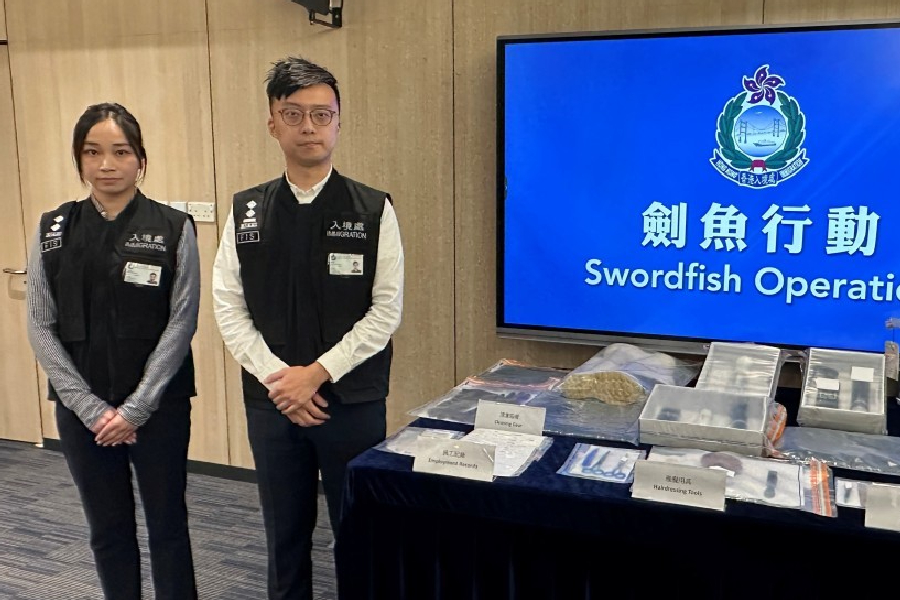
ImmD crackdown targets moonlighting domestic helpers arresting 17
19-05-2026 17:52 HKT
Advanced innovations and technologies from China will be on show at an 11-day Innotech Expo to start today at the Hong Kong Convention and Exhibition Centre in Wan Chai.
The fourth Innotech Expo, which ends next Thursday, returns with the theme of leading the future with technologies after three years of suspension due to the pandemic, with the organizer, Our Hong Kong Foundation, expecting a total of 120,000 visitors to turn up given that entry is free.
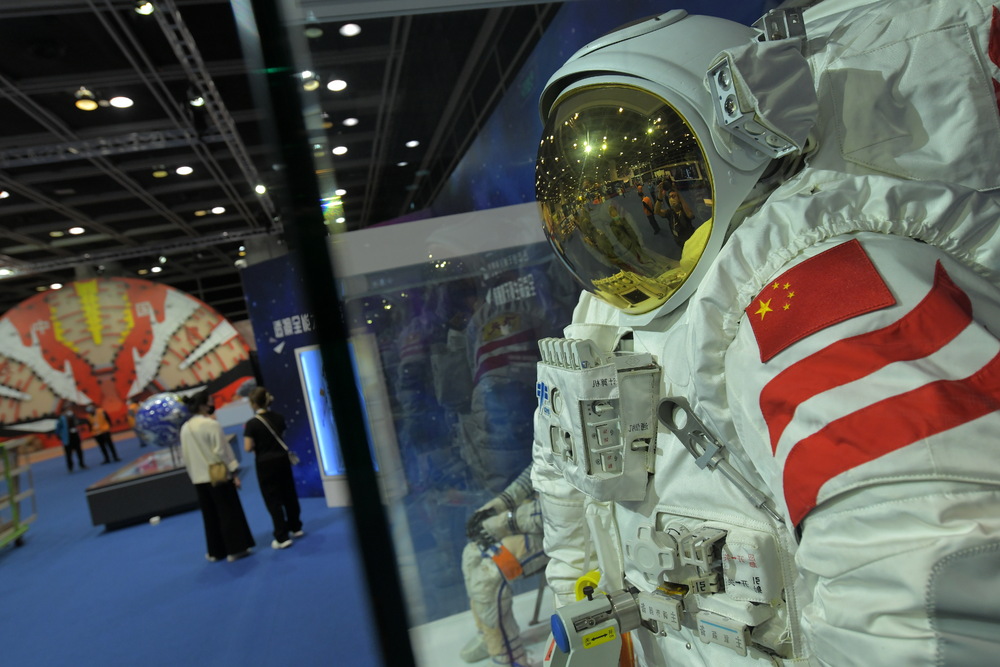
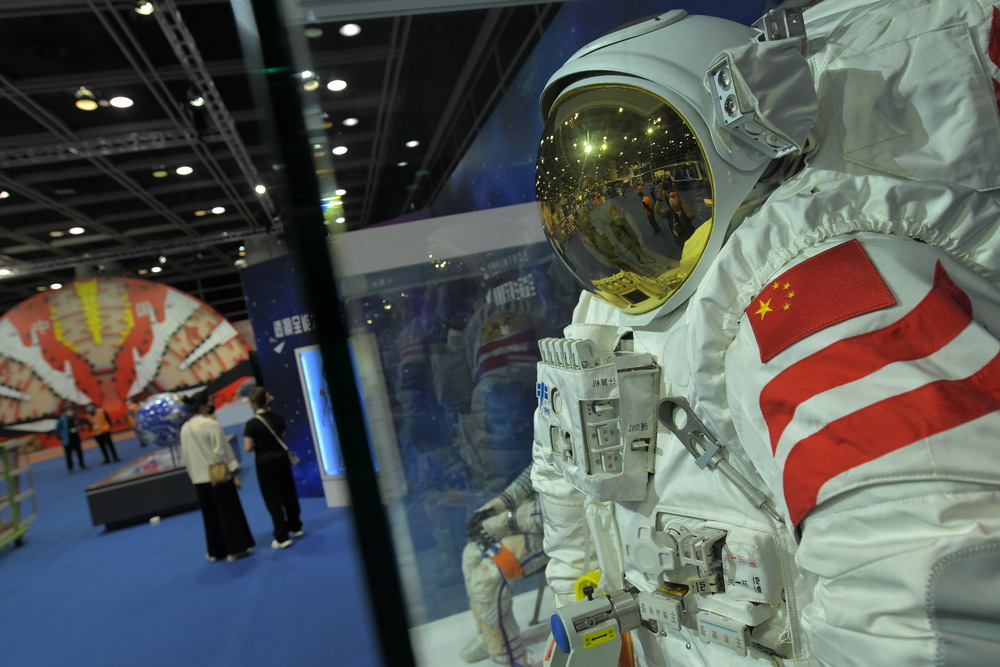
The latest breakthroughs in Chinese innovation technology show up in 50 exhibits, some shown to the public for the first time, including a replica of the country's first Mars rover and a launch pad from Tianwen-1, China's first inaugural mission to Mars.
The world's first suspended maglev "sky train" with a maximum speed of 600 kilometers per hour launched by China this year can also be seen.
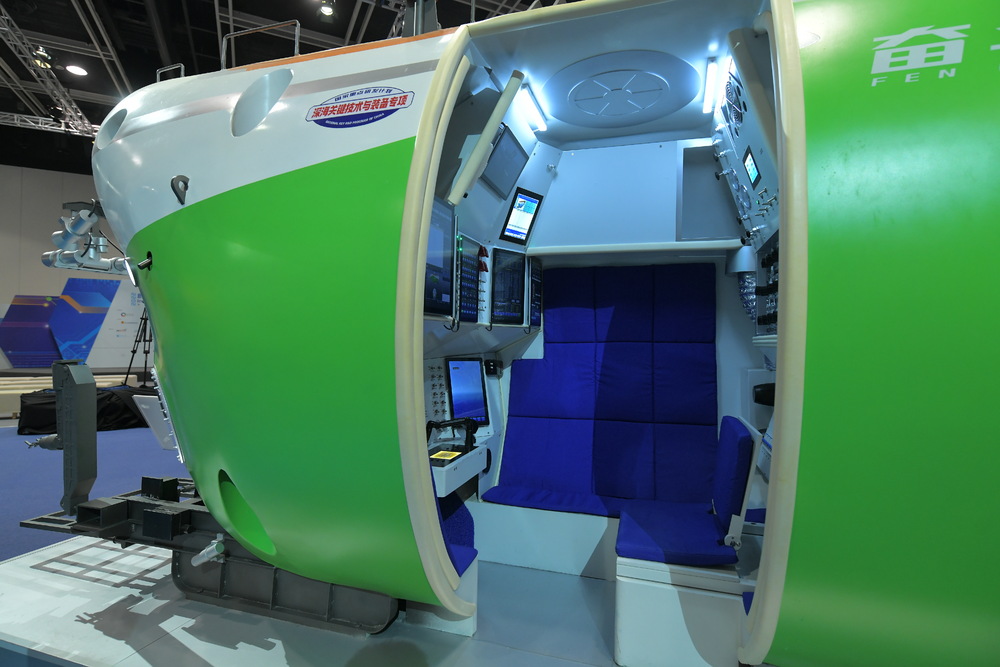
Visitors can walk inside a life-size replica of "Striver," the world's deepest-diving manned submersible watercraft made by China and have a close look at 49 grams of soil from the moon.
Other technological achievements in aerospace, land and ocean exploration under the country's 13th five-year plan are featured.
The expo also highlights the SAR's scientific development by featuring 25 selected local scientific research. They include space instruments and techniques that Polytechnic University and Chinese University came up with.
Hong Kong Academy of Sciences founding president Tsui Lap-chee, a convener of the advisory group of the expo, said the 25 research outcomes featured were selected by the expert group and have been further improved.
"We hope that the scientific research can be seen, touched and understood by the visitors," Tsui said.
Among them were exhibits from communication and automation, medicine and health, environment and food and material science and microelectronics.
Tsui hoped the SAR could establish the upstream, middle stream and downstream innovative industry and collaborate with the Greater Bay Area to turn research findings into products.
Visitors can get a feel of a rocket launch, what it's like to walk on Mars and to get out from a space station by virtual reality and augmented reality technologies.
They can watch videos, performances and talks related to scientific topics from more than 100 speakers.