Read More






Night Recap - May 21, 2026
8 hours ago




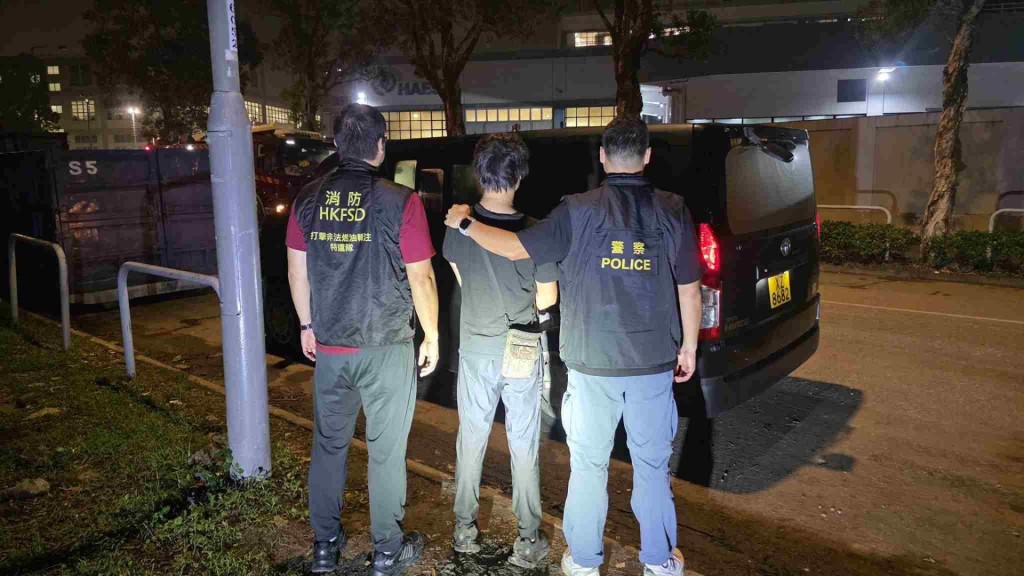
ImmD crackdown targets moonlighting domestic helpers arresting 17
19-05-2026 17:52 HKT

The court of appeal upheld a five-year minimum jail sentence for national security offenses in a landmark ruling that applies even to those who plead guilty and are entitled to a one-third deduction of their punishment.
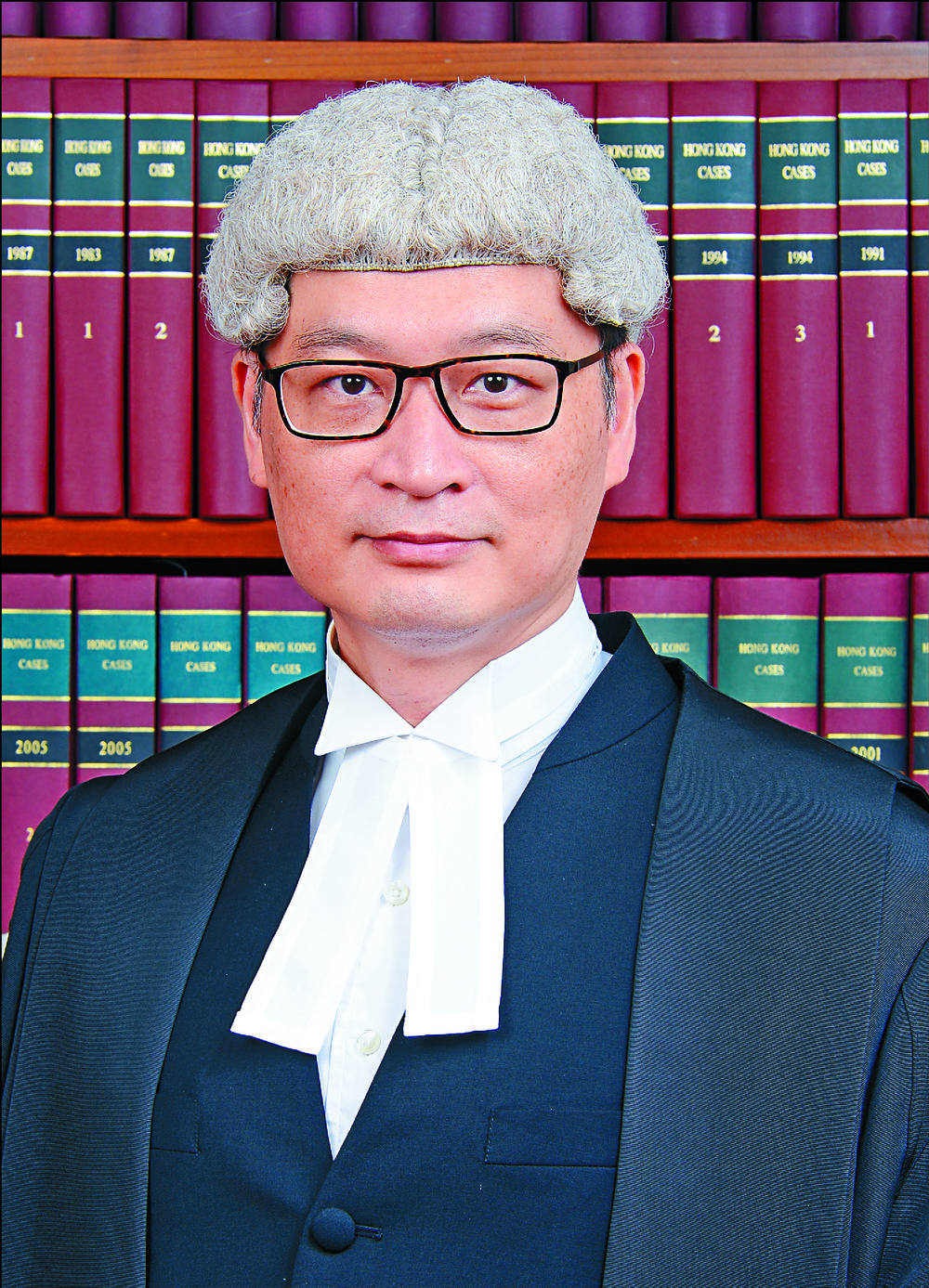
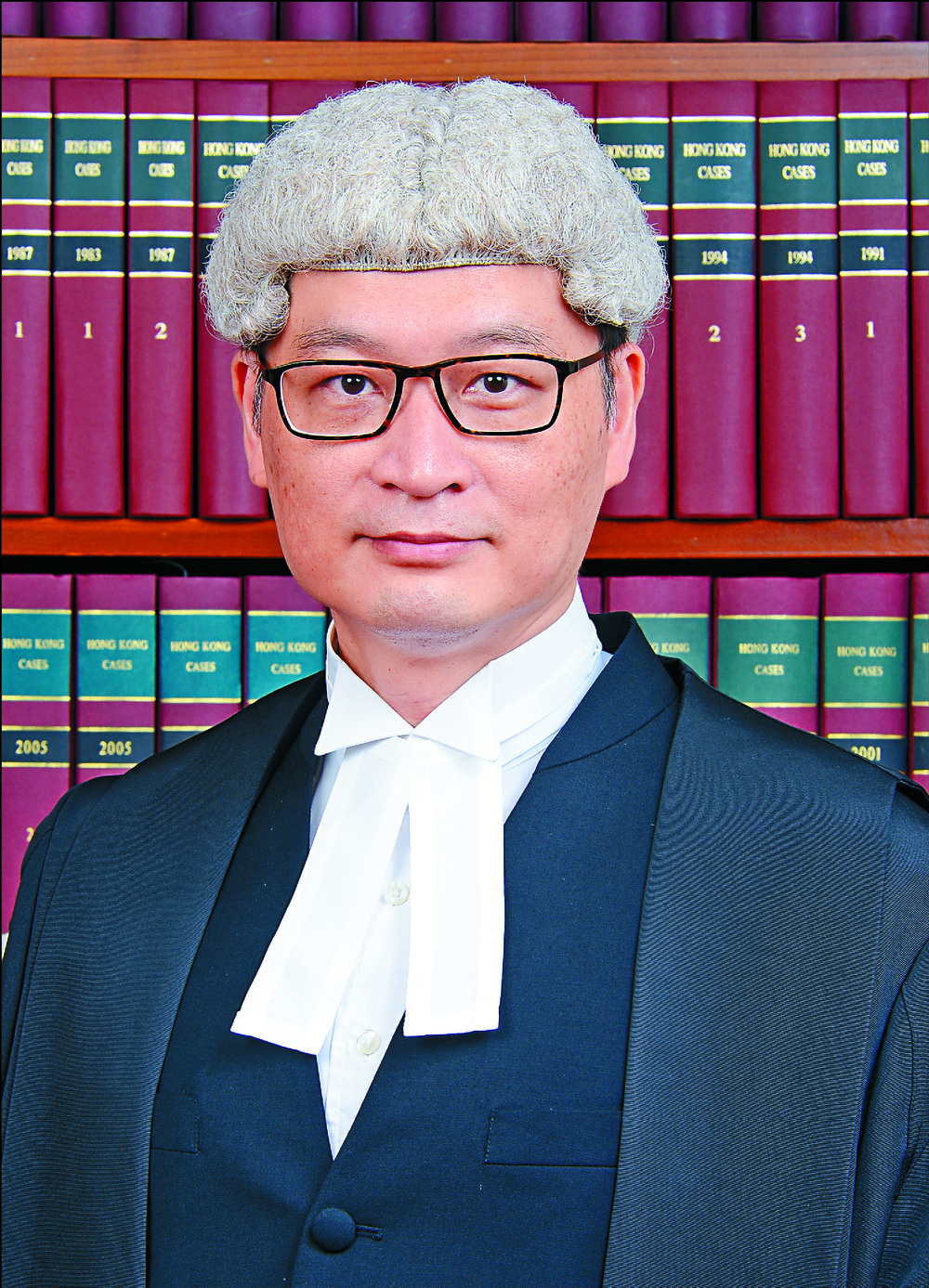
High court chief judge Jeremy Poon Shiu-chor's ruling came as he rejected the appeal against a sentence by student Lui Sai-yu, 25, who was the first Hongkonger jailed for secession in April.
The Polytechnic University student who advocated Hong Kong independence and sold pepper guns on a social media channel in 2020, pleaded guilty earlier to inciting secession under the national security law.
District court judge Amanda Woodcock initially sentenced him to three years and eight months, after cutting a third off a starting point of five years and six months.
But she revised her sentence at the request of prosecutors and only reduced the prison term by six months since the case involved a serious offense, causing Lui to appeal his failure to receive the full one-third reduction.
Lui argued that the judge erred in categorizing his offense as serious, interpreting article 21 of the national security law as mandating a minimum sentence of five years' imprisonment in serious cases, and failing to reduce one-third imprisonment and taking into account article 33 related to lenient treatment.
Poon took the view that the threats and risks posed by the applicant's incitement were real as although the scale and severity of violent protests had declined by the time of Lui's offense, Hong Kong was still facing considerable threats and risks to national security and public disorder.
He said incitement by the use of social media is an aggravating feature, as it can provide a means or platform for individuals with the ease and ability to communicate or disseminate instant messages to a vast audience without physical contact or geographical constraints, thereby amplifying the effects and increases exponentially the threats and risks to security.
In addition, Poon said, the law was enacted with the primary objective of penalizing acts endangering the country's security as soon and effectively as possible, and that not all mitigating factors were applicable. Only those who did not undermine the expressed intention of the new law were permissible, he added.
That would mean judges could not impose sentences below the minimum level stipulated in the law for serious crimes no matter how much the offender deserved a lesser penalty, except in very limited circumstances.
Poon referred to article 21 of the law, which said "drafters choose imprisonment as the only penalty for serious offenses and sets a stipulated range of penalties reflecting their judgment as to the gravity of these offenses," and held that the five-year minimum sentence is mandatory.