Read More









Night Recap - May 21, 2026
9 hours ago


ImmD crackdown targets moonlighting domestic helpers arresting 17
19-05-2026 17:52 HKT

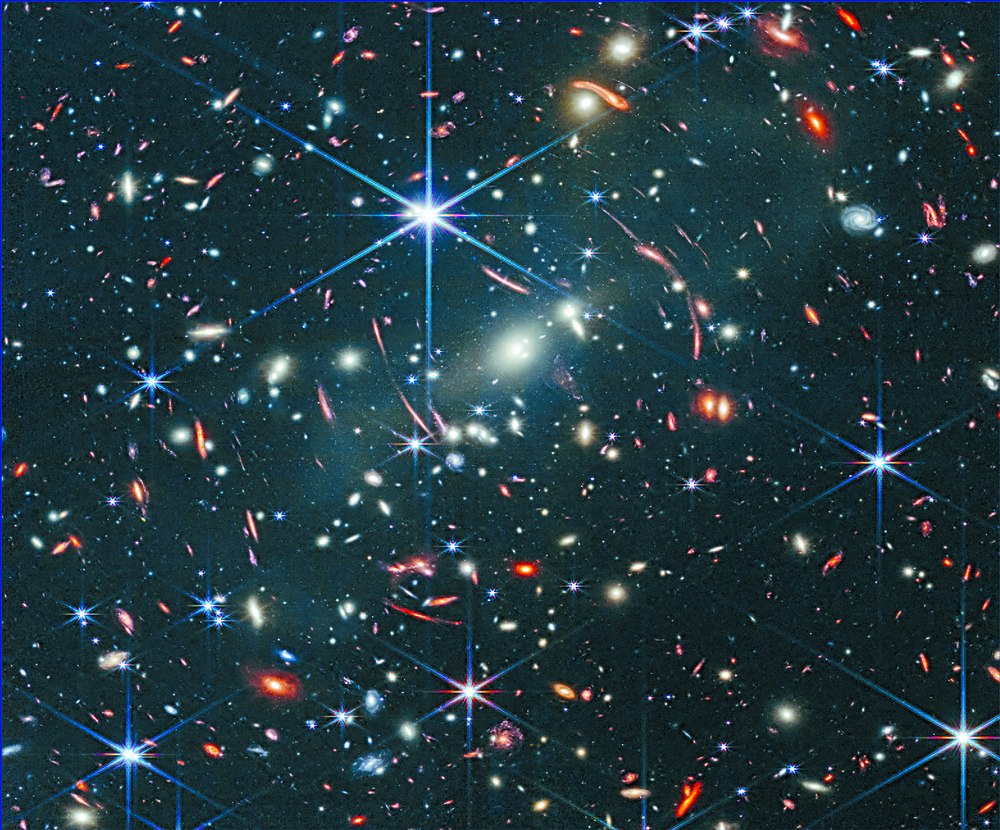
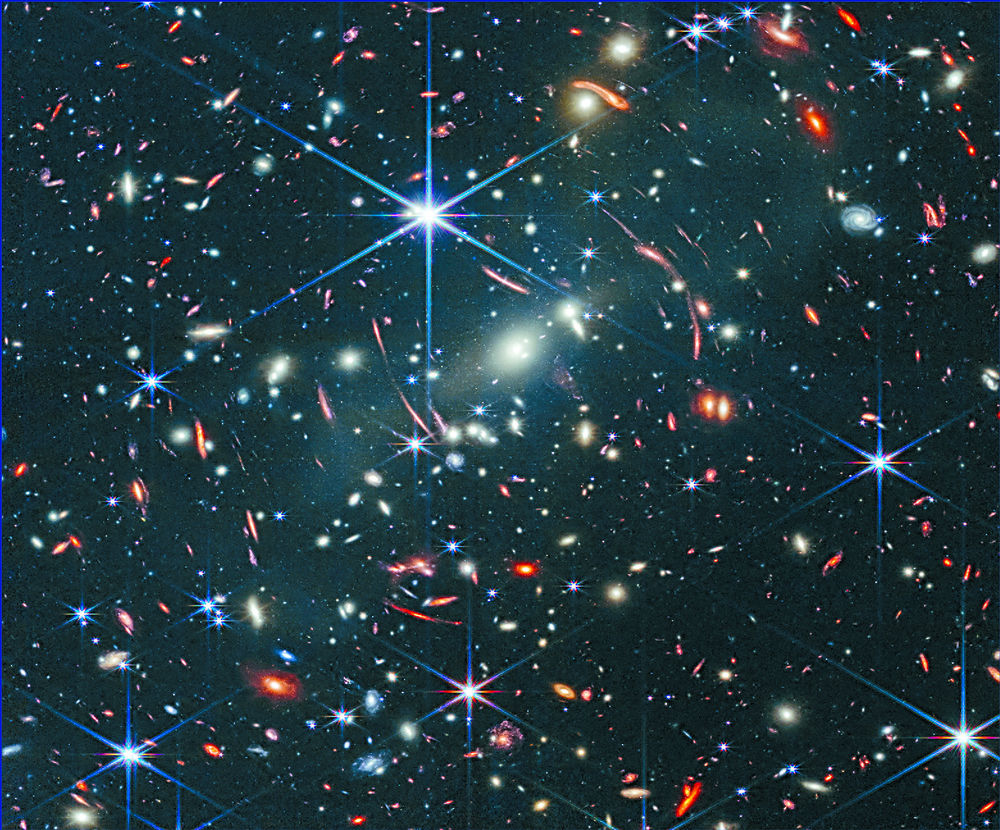
Our view of the universe just expanded: the first image from NASA's new space telescope is brimming with galaxies and offers the deepest look of the cosmos ever captured.
The first image from the US$10 billion (HK$78 billion) James Webb Space Telescope is the farthest humanity has ever seen in both time and distance, closer to the dawn of time and the edge of the universe.
That image will be followed by the release of four more beauty shots from the telescope's initial outward gazes.
The "deep field" image is filled with lots of stars, with massive galaxies in the foreground and faint and extremely distant galaxies peeking through here and there. Part of the image is light from not too long after the Big Bang, which was 13.8 billion years ago.
The busy image with hundreds of specks, streaks, spirals and swirls of white, yellow, orange and red is only "one little speck of the universe,'' NASA administrator Bill Nelson said.
And even more is coming. The next pictures include a view of a giant gaseous planet outside our solar system, two images of a nebula where stars are born and die in spectacular beauty and an update of a classic image of five tightly clustered galaxies that dance around each other.
The world's biggest and most powerful space telescope rocketed away in December from French Guiana in South America. It reached its lookout point 1.6 million kilometers from Earth in January.
The plan is to use the telescope to peer back so far that scientists will get a glimpse of the early days of the universe about 13.7 billion years ago and zoom in on closer cosmic objects, even our own solar system, with sharper focus.
"It takes a little bit of time to dig out those galaxies,'' University of California, Santa Cruz, astrophysicist Garth Illingworth said. "It's the things you almost can't see here, the tiniest little red dots.''
Webb is considered the successor to the highly successful, but aging Hubble Space Telescope. Hubble has stared as far back as 13.4 billion years. It found the light wave signature of an extremely bright galaxy in 2016. Astronomers measure how far back they look in light-years with one light-year being 9.3 trillion kilometers.