Read More
Tens of thousands of workers walked out on the first day of Britain's biggest rail strike in 30 years yesterday with passengers facing further chaos as both the unions and government vowed to stick to their guns in a row over pay.
ADVERTISEMENT
SCROLL TO CONTINUE WITH CONTENT
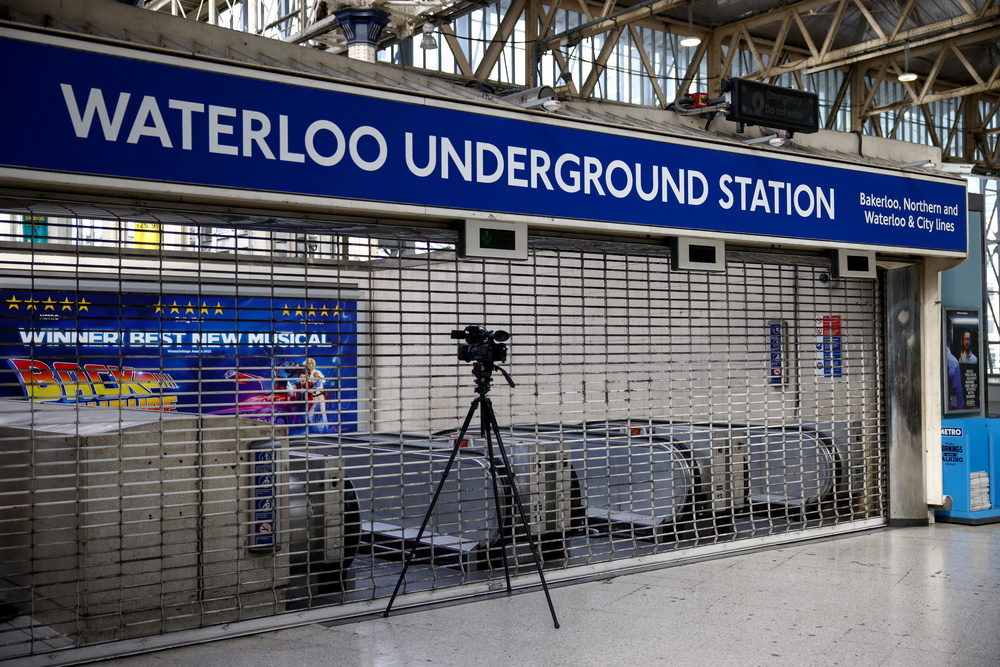
Some of the more than 40,000 rail staff who were due to strike yesterday, tomorrow and Saturday gathered at picket lines from dawn, causing major disruption across the network and leaving major stations deserted.
The London Underground metro was also mostly closed due to a separate strike.
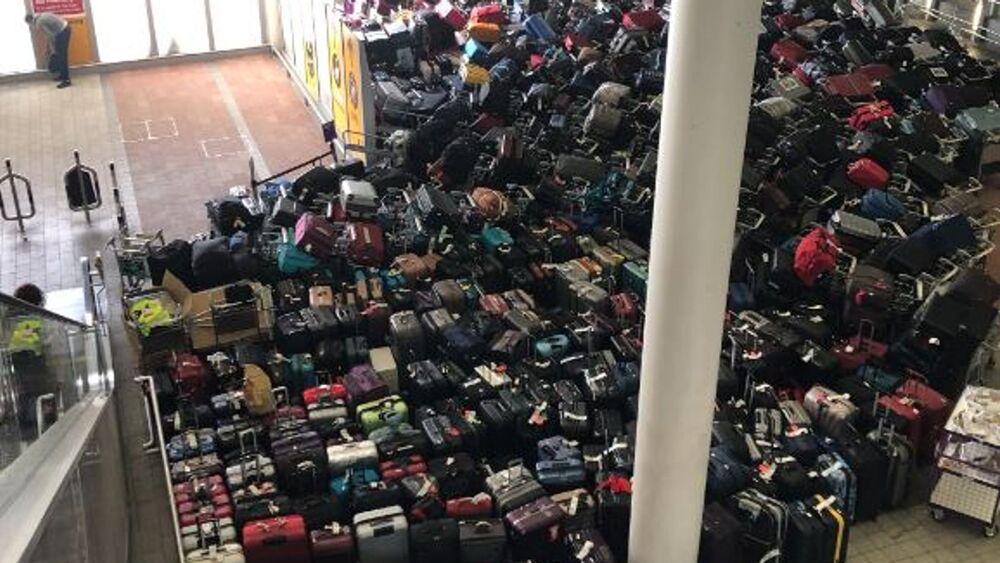
Compounding the travel misery, Heathrow Airport said it had asked airlines flying from Terminals 2 and 3 to cut 10 percent of flights on Monday. Reports emerged of a huge backlog of baggage at the airport.
Prime Minister Boris Johnson, under pressure to do more to help Britons facing the toughest economic hit in decades, said the strike would harm businesses still recovering from Covid.
Unions have said the rail strikes could mark the start of a "summer of discontent" with teachers, medics, waste workers and even barristers heading for industrial action as inflation pushes 10 percent.
"The British worker needs a pay rise," said Mick Lynch, secretary-general of the Rail, Maritime and Transport Workers. "They need job security and decent conditions."
During the morning rush hour, roads were busier than normal with cars, bikes and pedestrians. Hospital staff said some colleagues slept at work overnight to maintain care.
Johnson told his cabinet the strikes were wrong and unnecessary and said his message to the country was that they needed to be ready to stay the course as improvements to the way railways are run was in the public's interest. A survey by pollsters YouGov found public opinion divided, with around half of those questioned opposed to the action and just over a third saying they supported it.
Inflation has soared across Europe on the back of a major rise in energy costs and Britain is not alone in facing strikes.
Action over the cost of living in Belgium caused disruption at Brussels Airport on Monday, while Germany's most powerful union is pushing for large wage increases.
French President Emmanuel Macron is also facing unrest over pension reforms.
Britain's economy initially rebounded strongly from the pandemic but a combination of labor shortages, supply-chain disruption, inflation and post-Brexit trade problems has prompted warnings of a recession.
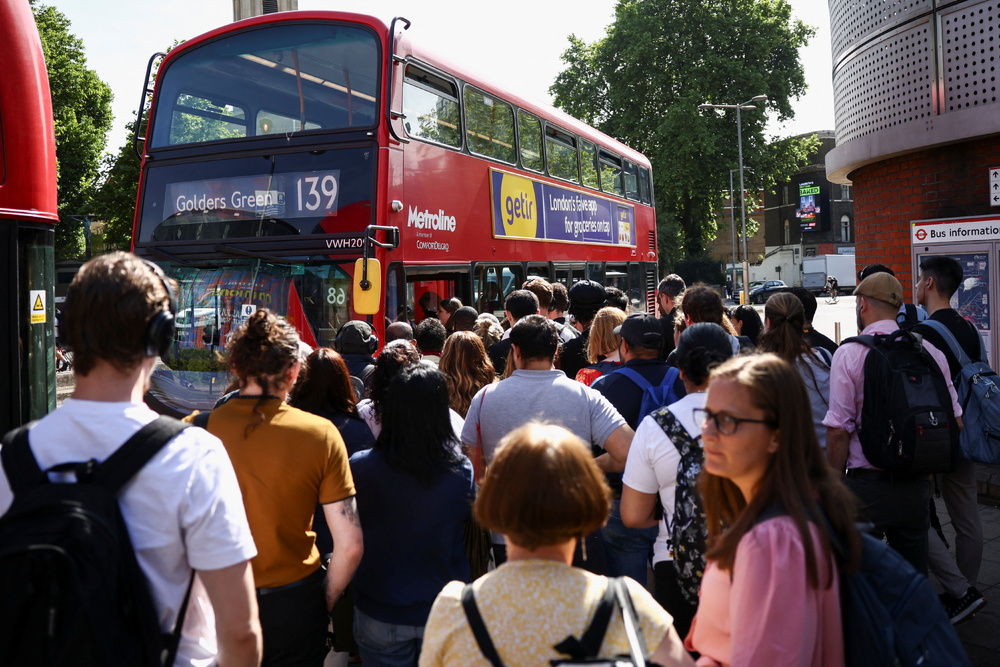
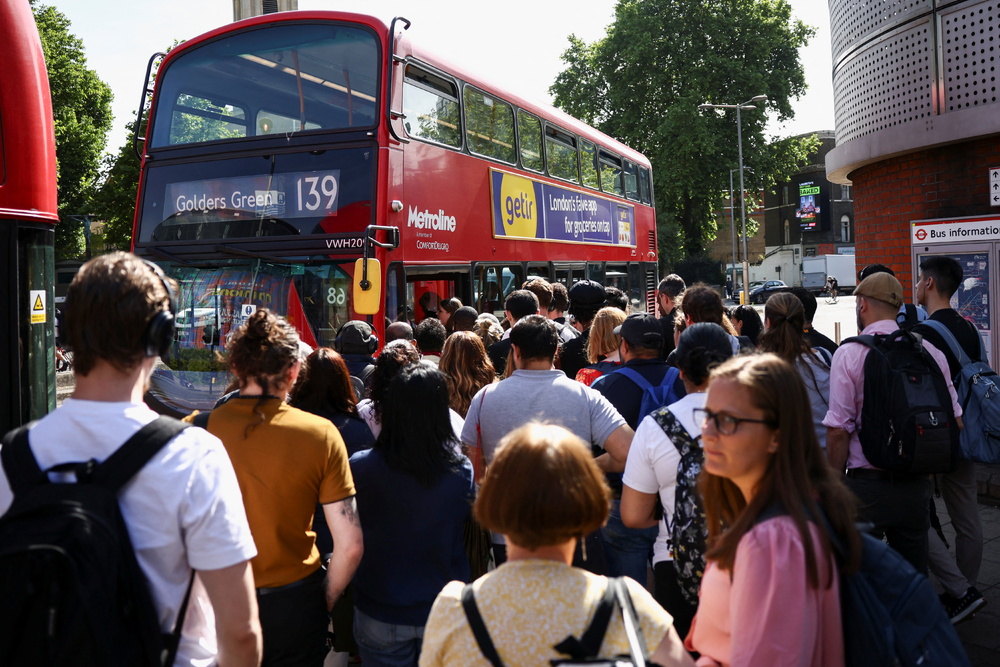
People rush to get onto a bus amid a strike by rail workers in London as luggage piles up at Heathrow Airport after many flights were canceled. REUTERS