Read More
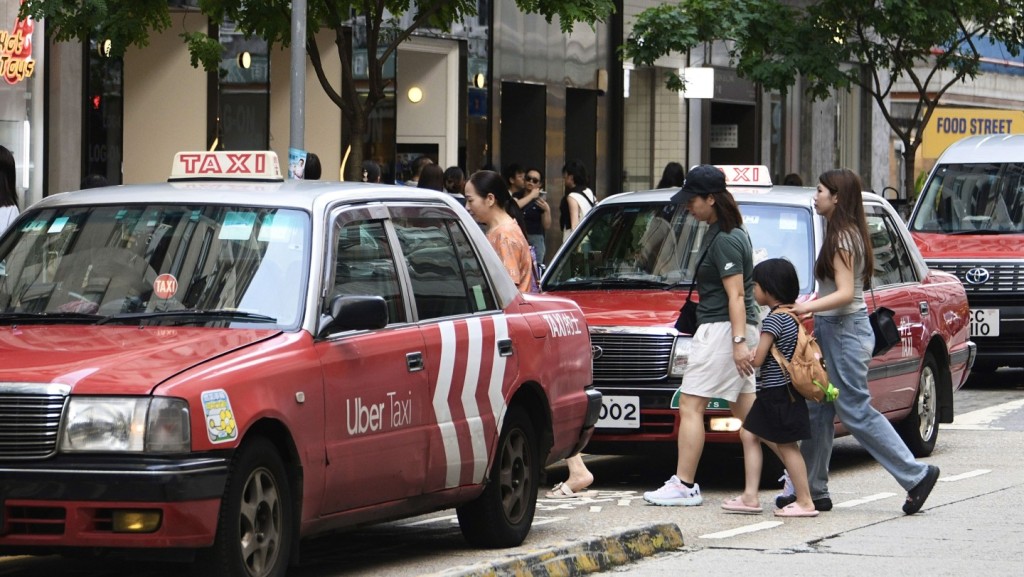
Hong Kong’s cap on ride-hailing licenses is to manage road capacity and maintain balance within its transport system, Secretary for Transport and Logistics Mable Chan said on Thursday.
ADVERTISEMENT
SCROLL TO CONTINUE WITH CONTENT
Speaking at a Legislative Council Finance Committee special meeting, Chan explained that the government will adopt a “total quantity control” approach when issuing licenses, citing Hong Kong’s unique transport landscape.
She noted that around 90 percent of residents rely on public transport, meaning authorities must carefully manage the number of additional vehicles on the road while ensuring a satisfactory ride-hailing experience for passengers.
Chan said the policy will also take into account the views of the taxi trade, as the government seeks to strike a balance between new services and existing operators.
At the same time, she acknowledged changing travel patterns among visitors, noting that inbound tourists are increasingly accustomed to booking rides through online platforms. Without such services, she warned, Hong Kong’s reputation as an international city could be affected.
Lawmakers had earlier questioned whether Hong Kong would follow overseas practices where ride-hailing vehicles outnumber taxis, but Chan emphasized that local conditions require a more cautious approach.
Taxi fleet expansion underway
Lawmakers also raised concerns about the progress of taxi fleet development, with some noting that the number of taxis under fleet schemes has yet to meet targets.
Chan said that as of last month, around 1,500 taxis were actively providing services under fleet operations, adding that the government will assist in expanding the fleet to meet the pledged target of 3,000 vehicles as soon as possible.
She added that Octopus is set to introduce an integrated ride-hailing platform to make bookings more convenient for passengers and diversify drivers’ sources of customers.
Rail links to airport and northern development under study
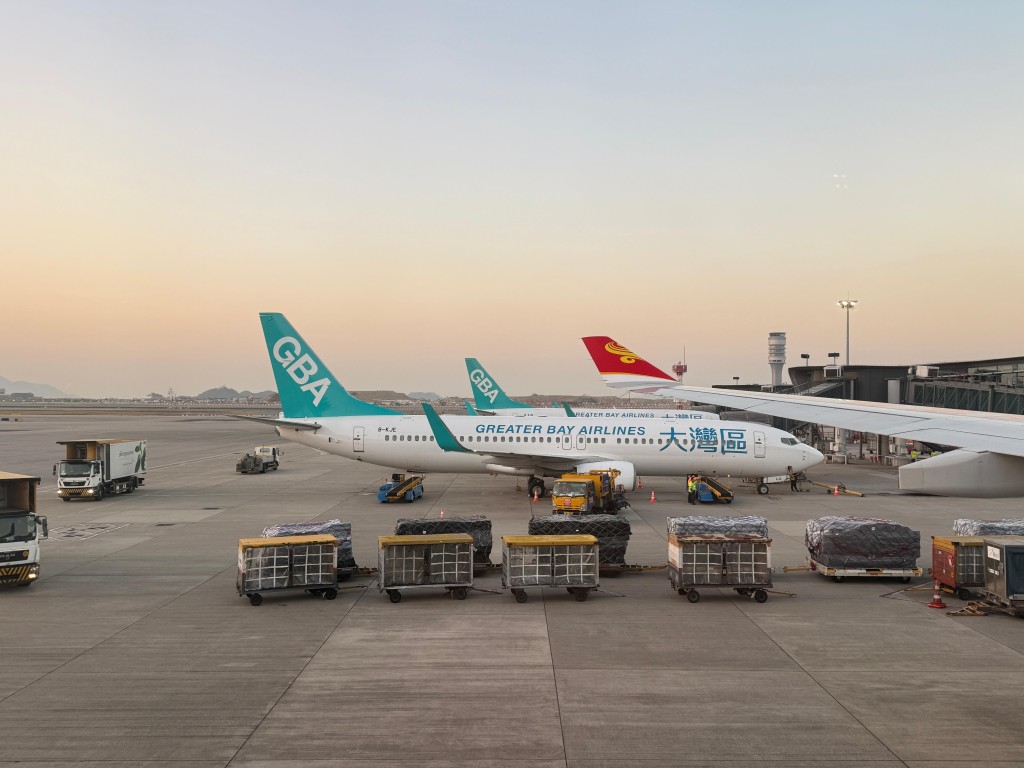
Separately, Chan said the government is studying ways to enhance transport connections between the airport and urban areas, as well as links to the Northern Metropolis.
She said the Hong Kong–Shenzhen Western Rail Link section between Hung Shui Kiu and Qianhai is undergoing preliminary design work, with flexibility reserved for a possible southern extension in the future.
The government has also begun internal studies on potential routes linking Hung Shui Kiu to Lantau Island or Sunny Bay, taking into account passenger flow, construction costs and economic benefits, Chan added.