Read More









Hong Kong faces stronger showers in coming hours, says HKO
24-04-2026 16:22 HKT


Hong Kong teen loses $230,000 in 'compensated dating' scam
24-04-2026 19:05 HKT
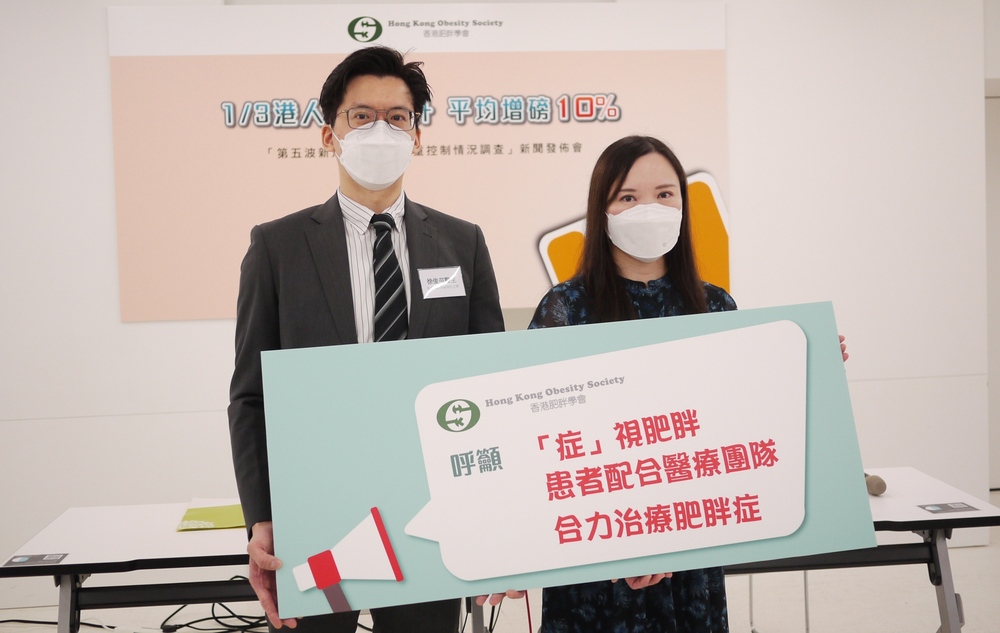
One-third of adults in Hong Kong gained weight during the fifth wave of the pandemic, putting on as much as 10 percent of their normal weight, a study has found.
The Hong Kong Obesity Society survey of 559 people showed that some 40 percent of adults exercised less during the period that began in late December 2021.
The top reasons for that were people avoiding outdoor activities to stay safe and the uncomfortable feeling of exercising with masks.
The society's founding president, Michele Mae Ann Yuen, said others also found themselves stressed out, ate more snacks and bought more takeout food.
About 70 percent said they tried dieting and sticking to an exercise regimen five times since December, said society president Tsui Tsun-miu. But half still experienced a weight rebound or failed to lose weight, Tsui said.
He added that people's "survival mechanism" makes weight loss challenging.
Tsui explained: "When one is on a diet, the body adjusts its hormones to avoid death due to a fewer calorie intake and that leads to an increased appetite and slower metabolism."
Tsui said obesity discrimination in Hong Kong is serious, with over half of the respondents holding a negative perception of obese people - that they are "lazy and lack determination."
He added: "Obesity is not a lifestyle choice. The public should treat obesity seriously and should not wait until the onset of diabetes or heart disease."
Tsui said people should not face obesity alone and ought to work with doctors, nutritionists, psychologists, physical therapists and even sports experts in setting up a suitable lifestyle.
According to the Centre for Health Protection, a balanced diet can help the body to function well to be able to combat disease, feel energetic at all times and maintain an ideal body weight.
It said individuals should follow three principles in maintaining a healthy diet: eat a variety of food, avoid binge eating and have a balanced diet.
People should also avoid eating food that is high in salt, fat or oil and sugar, and eat less preserved and processed food.
The center suggests that people eat cereals and grains, especially high-fiber ones such as red rice, brown rice, rice with added vegetables, buckwheat noodles or wholemeal bread.
And they should also take at least two servings of fruit and three servings of vegetables every day, which is equivalent to the suggested intake amount from the World Health Organization.
eunice.lam@singtaonewscorp.com