Read More





September heat ranks among highest on record as Hong Kong turns drier
05-10-2026 18:24 HKT

Abby Choi's remains found in soup pots with carrots, court hears
05-10-2026 13:53 HKT
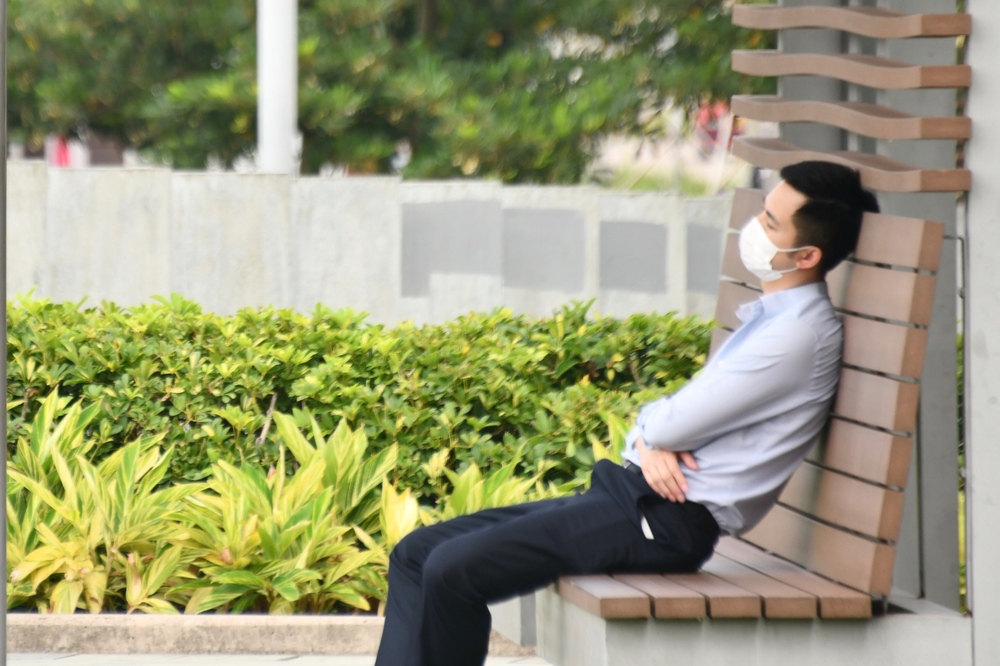
A staggering 95 percent of Hong Kong workers feel at risk of burnout this year - the highest among markets across Asia - a study reveals.
It also showed employees are concerned about unfair treatment and not being rewarded fairly for work done.
In the 2022 Global Talent Trends Study released yesterday, American management firm Mercer interviewed nearly 11,000 executive-level managers, human resource leaders and employees from 16 regions around the world.
The study found that despite 93 percent of employees in Hong Kong are satisfied with current roles nearly two in five still plan to leave their companies in the next six to 12 months.
Mercer said results show that Hong Kong firms have yet to keep up with evolving employee expectations of work and the workplace environment.
It added that 95 percent of companies are planning significant transformations, but collective working fatigue could put plans at risk.
Yet only around 25 percent of executives and human resource leaders have realized the risk and view employee exhaustion as a threat to a company's advancement.
Hong Kong employees are more concerned about fair and competitive rewards, job security, well-being programs and medical insurance when considering whether to join or stay with a company.
Eight in 10 employees also said not being able to work remotely or in a hybrid mode permanently is a "deal-breaker."
Mercer remarked: "Even though one in three employees in Hong Kong say the future of work is about balance and they are willing to forgo pay increases in return for flexible work schedules, this is less of a priority when compared to higher quality medical coverage and ... benefits for themselves and their families."
Recognizing the importance of fair and competitive rewards for employees in Hong Kong, half of the employers surveyed made it their top priority to adjust internal and external pay equity and ensure they have a ready flow of talent.
Yan Jiejun, Mercer's career consulting head of talent and employee experience in Hong Kong, said companies in the city are more traditional compared to peers globally in offering employees compensation and benefits in return for their contributions.
"A shortage of talent has put pressure on companies to pay a premium for new hires and caused internal pay equity to become even more disconnected from external market dynamics," Yan said.
"Although employees are drawn to new, flexible work models as a result of the pandemic, they are fundamentally still driven by rewards.
"And it is encouraging to see employers taking active steps such as moving to skills-based pay to ensure compensation packages remain fair and competitive."
wallis.wang@singtaonewscorp.com