Read More





Night Recap - May 21, 2026
8 hours ago




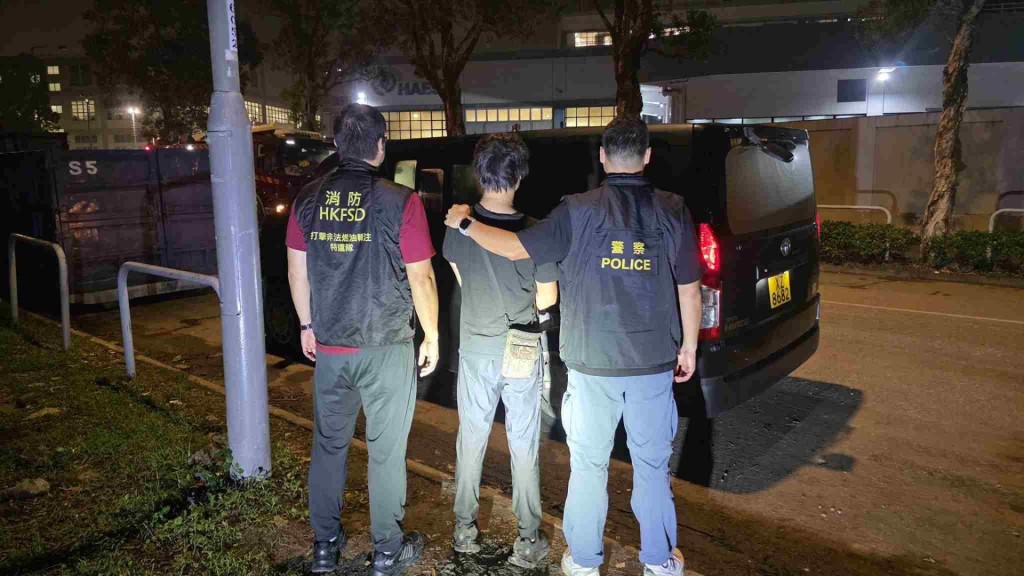
ImmD crackdown targets moonlighting domestic helpers arresting 17
19-05-2026 17:52 HKT
A second reading for canceling the offsetting mechanism of the Mandatory Provident Fund was passed in the Legislative Council meeting yesterday after a debate of close to six hours, and the bill is expected to be passed today after a third reading.
It will mean employers will no longer be allowed to offset workers' severance and long service payments against MPF benefits derived from an employer's contributions.
Legislators cleared the second reading with 72 votes in favor, six against and 11 abstentions but did not have time to pass the bill's third reading before the day's business ended.
The bill is expected to be passed without facing any hurdles when the third reading is resumed after the chief executive's question and answer session today.
Yesterday's meeting saw three of four legislators from the Liberal Party, which typically represents the business sector and had voiced its opposition to the offsetting cancellation, against the bill.
They were party chairman Peter Shiu Ka-fai, who represents the wholesale and retail sector, Frankie Yick Chi-ming who looks after the transport sector, and Lee Chun-keung from the election committee sector.
The fourth member, the catering sector's Tommy Cheung Yu-yan, voted for the bill.
The three others against the bill were independents - the legal sector's Ambrose Lam San-keung, the election committee's Paul Tse Wai-chun, and the textile and garment sector's Sunny Tan.
But all three legislators representing the commercial sectors voted in favor of the bill.
They were the Business and Professionals Alliance's Jeffrey Lam Kin-fung representing the commercial (first) sector, independent Martin Liao Cheung-kong representing the second, and Yim Kong, also an independent, representing the third.
The SAR's two biggest parties - the Democratic Alliance for the Betterment and Progress of Hong Kong and the Federation of Trade Unions - had earlier voiced support for the bill.
Except for the DAB's Kennedy Wong Ying-ho representing the import and export sector, who abstained, all legislators from the two pro-Beijing parties voted in favor of the bill.
But the election committee's Chan Siu-hung said he "voted in favor of the bill with distaste."
Chan also slammed the administration for not taking effective measures to allay employers' worries.
"This is the worst time to cancel it after Hong Kong's economy took a hard hit due to the social unrest and the pandemic," Chan said of ending the mechanism.
Before the voting last night Shiu said the business environment is not at its best, so canceling the mechanism might speed up the closure of some businesses.
He remarked: "The cancellation of the mechanism will damage the relationship between employers and employees as I believe there will be employees hoping to be fired in order to get their long service payments.
"There might also be unscrupulous employers who drive away veteran employees to avoid paying long service payments, while some employers might change employee [terms] to being employed under a contract, which will affect youngsters' upward mobility."
But the DAB's Horace Cheung Kwok-kwan disagreed with Shiu. He was not worried that employees would hope to be fired. He also suggested the administration conduct a review three years after the cancellation is implemented.
The offsetting mechanism will be canceled in phases starting from 2025, and the administration will subsidize employers' payments with the level of subsidy reduced in phases until 2050.