Read More



Night Recap - May 21, 2026
6 hours ago
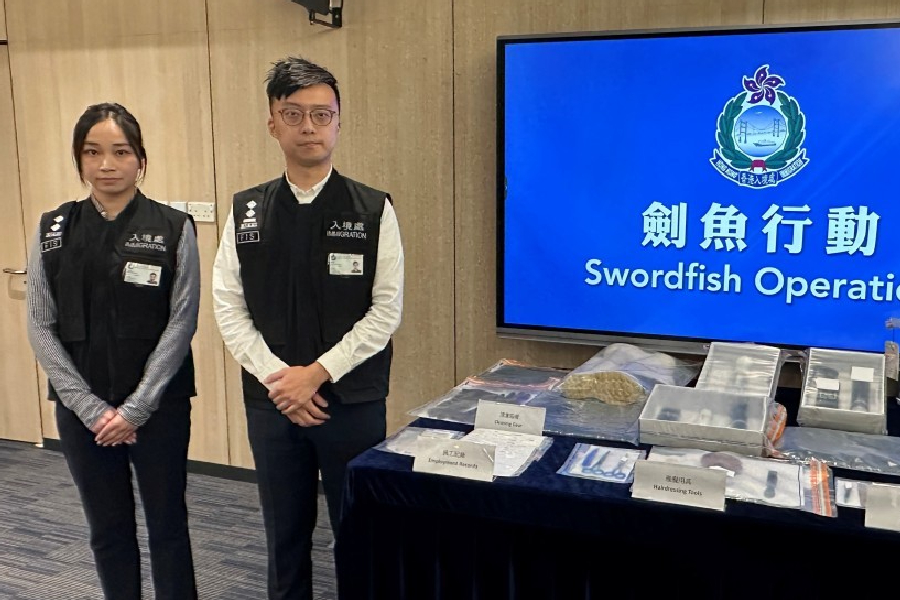
ImmD crackdown targets moonlighting domestic helpers arresting 17
19-05-2026 17:52 HKT
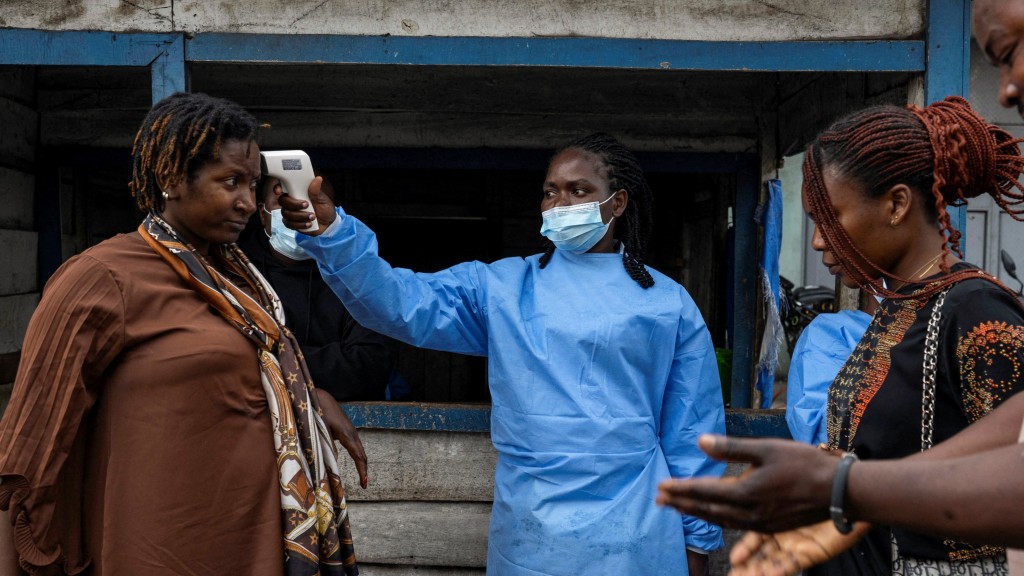
Millions of residents may need to take part in mass rapid testing at home - with kits included in packages to be distributed to households from tomorrow - so the infection rate can be accurately determined, says Chief Executive Lam Cheng Yuet-ngor.
Lam said now is not the time for Hong Kong to conduct universal PCR testing as the current wave is not near its end based on the 7,000 infections recorded daily.
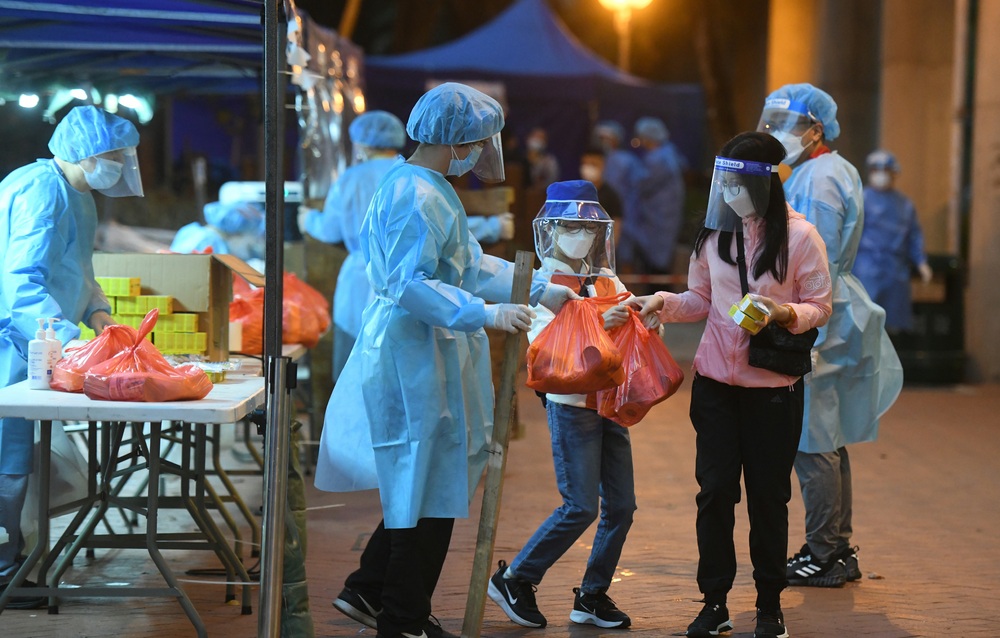
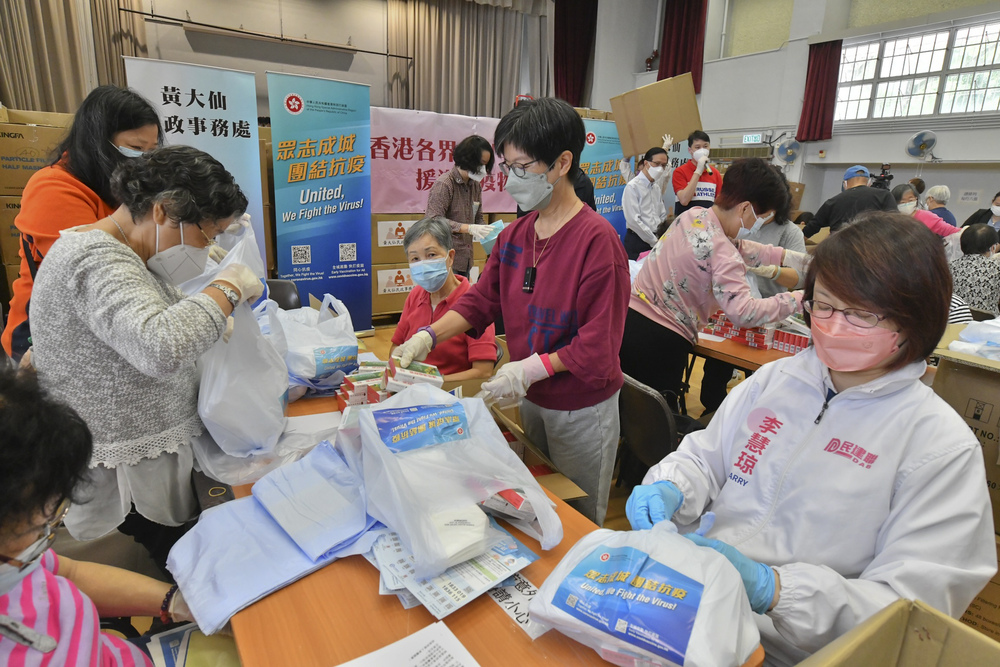
She said authorities will start distributing some 3.5 million service bags, with each containing 20 rapid antigen test kits, two boxes of Chinese medicines, 20 KN95 masks and informative brochures. Each bag will have items for a family of three to four.
"The government is studying to use the rapid test kits - a relatively accurate and convenient tool - to figure out the current pandemic situation," Lam said.
Details of the mass rapid testing arrangement will be announced later.
Lam said preparations for distributing the packages are satisfactory - some 1.6 million bags had been packed as of Wednesday, which is around 44 percent of the 3.5 million target.
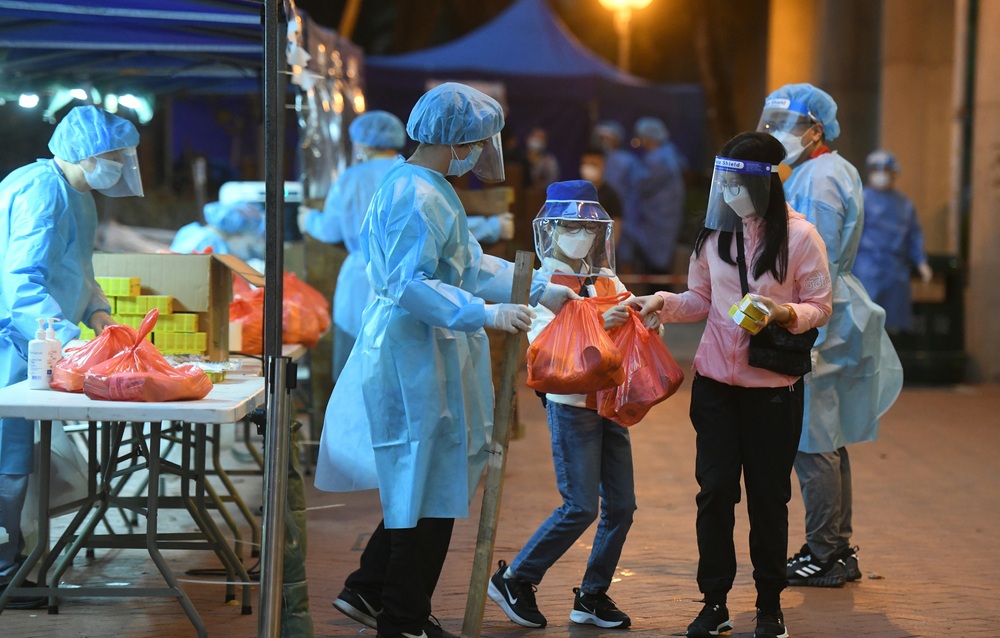
"We aim to finish delivering the packages within seven days. Families who are unable to collect them at their door can pick them up at collection centers in all 18 districts," she said.
Lawmaker Dennis Lam Shun-chiu told The Standard that people should be required to undergo 14 rapid tests in 14 days so most patients with a high viral load will be detected.
And then universal PCR testing should be launched to find patients with low viral count and silent transmission chains.
He said the government should invoke the Emergency Regulations Ordinance to require people to undergo tests and report their positive results honestly.
Democratic Alliance for the Betterment and Progress of Hong Kong lawmaker Edward Leung Hei welcomed the mass rapid testing plan.
Leung said to ensure all people join the scheme, those who fail to take the test or upload their results should be banned from entering public premises including supermarkets and malls.
Respiratory expert Leung Chi-chiu also said although the sensitivity of rapid tests is "obviously inadequate" and many patients with a lower viral count may not be detected, the government can still use them to speed up the detection of infections.
"The most important thing is whether the government has the ability to follow up on patients after they test positive, including isolation, contact tracing and quarantine of their close contacts," Leung said.
"More than 10,000 patients could be detected through the mass rapid testing scheme and the government has to consider whether it has sufficient manpower to handle the cases."
Leung suggested the government conduct the scheme when the caseload drops further to avoid manpower shortage.
Authorities can also ask employers to require workers to test negative in rapid tests before returning to work.
Acting Secretary for Home Affairs Jack Chan Jick-chi said all 3.5 million packages would be ready by yesterday.
The Housing Authority will help distribute the bags to public housing tenants, while those in private buildings will get them through property management companies or owner corporations. The bags will be given to residents in three-nil buildings by volunteers and civil servants.
Organizations cooperating with the Social Welfare Department will deliver the packages to homeless people, he added.
wallis.wang@singtaonewscorp.com