Read More



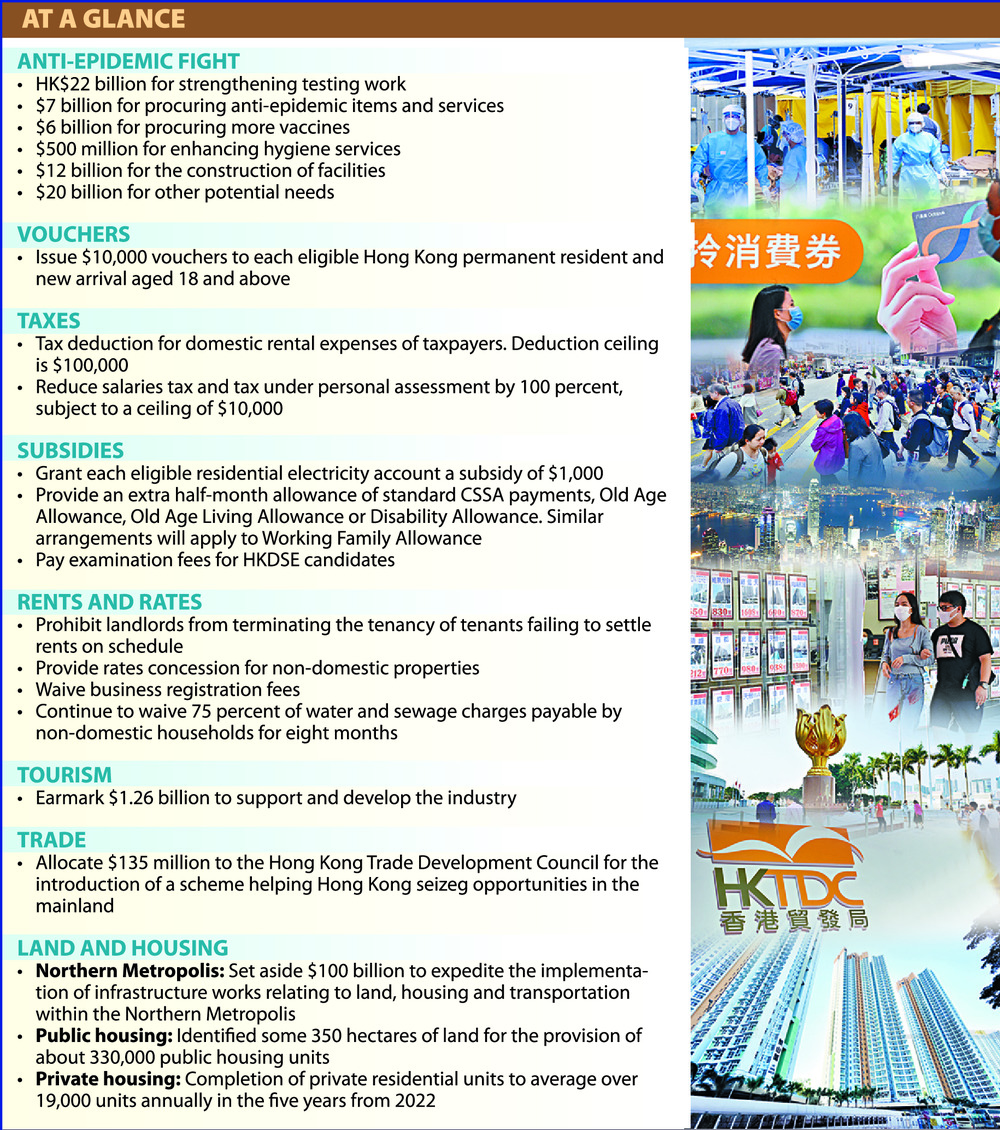
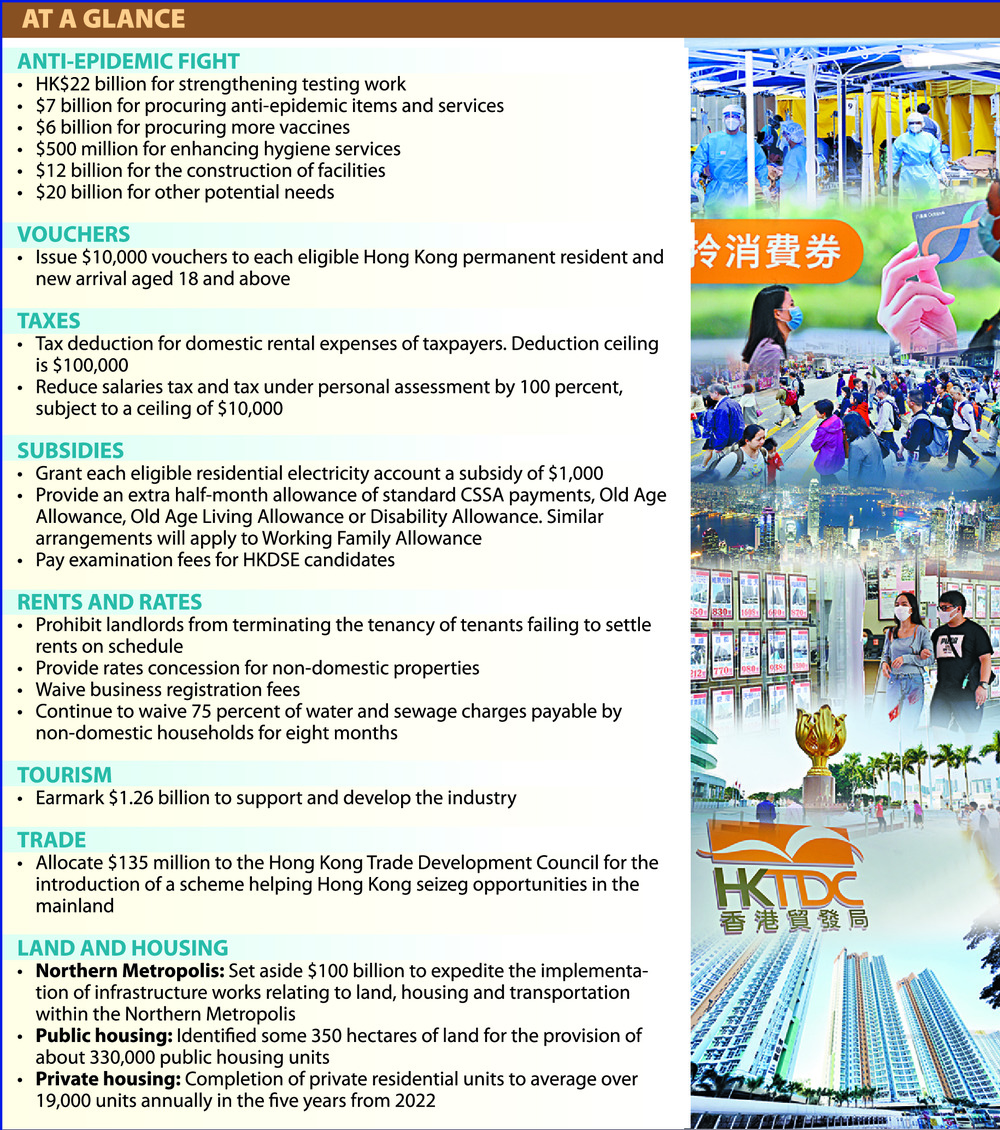
The government has pledged to spend HK$67.5 billion to strengthen Covid testing, buy more vaccines and boost other anti-epidemic measures.
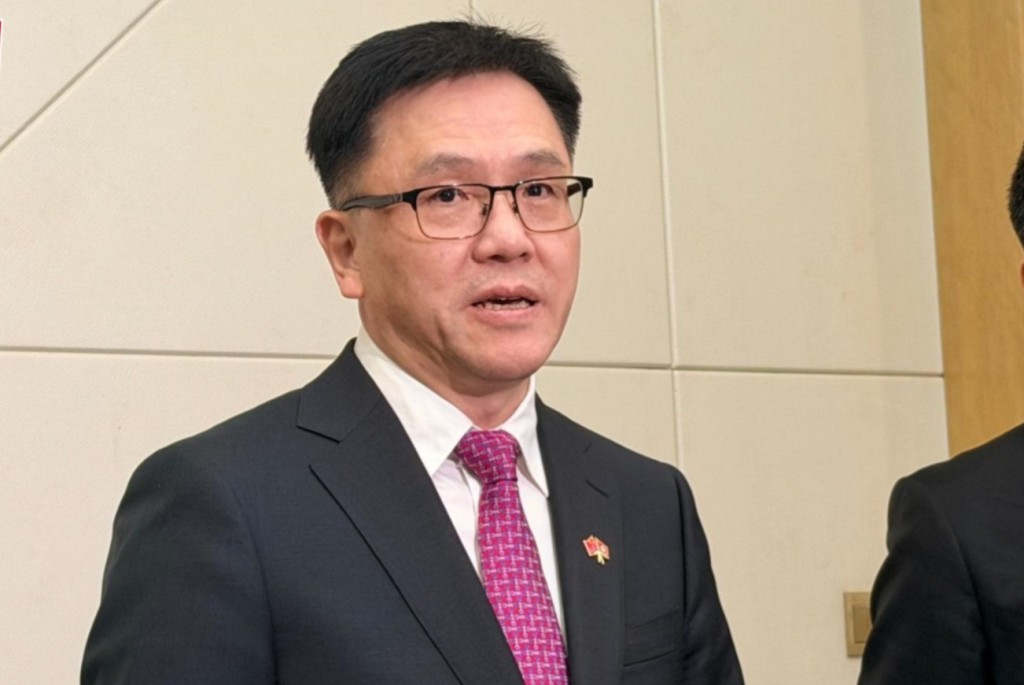
Paul Chan said the Food and Health Bureau will be allocated HK$22 billion to strengthen testing work, purchase rapid testing kits and relevant services, and provide additional support to the Hospital Authority.
Of the HK$22 billion, HK$4.3 billion will be used to buy rapid test kits and HK$15 billion to be used in the testing operations, sources said.
Chan said the government will also set aside HK$6 billion for the Department of Health to procure more booster doses for the public.
It is understood that health authorities will continue to buy the Beijing-made Sinovac vaccine and the German-made BioNTech jab as booster shots.
But sources said there is still adequate vaccine stock in Hong Kong.
The government will also monitor the development of second-generation vaccines by pharmaceutical companies and consult experts about whether the city should procure new vaccines.
Other government departments will be allocated HK$7 billion in total to purchase anti-epidemic items - including masks and protective gear - and implement anti-epidemic measures.
A further injection of HK$12 billion will be added into the anti-epidemic fund to construct various Covid-related facilities, including community isolation centers that are being built in Kai Tak and Penny's Bay.
Another HK$500 million will be allocated to the Food and Environmental Hygiene Department within two years to enhance services, particularly street cleaning and waste collection, rodent control and better hygiene of public markets.
The FEHD will strengthen inspections and enforcement actions to raise the community's awareness about hygiene, Chan said.
He reserved HK$20 billion for other potential anti-epidemic expenses, with no specific purpose at the moment, and it will be used when there is a need.
"Fighting the epidemic is our overriding mission at present. The government will mobilize all available manpower and resources to contain and stabilize the epidemic," Chan said.
"We will provide full support to fight the epidemic should more resources be required."
Sources said the cost of the upcoming citywide mandatory testing will be covered by the funds allocated to health authorities in the budget.
The government will allocate more money for the testing if the existing fund is not enough.
Apart from the HK$67.5 billion allocated to health authorities, sources said the Hospital Authority will receive HK$90.4 billion recurrent funding in the 2022-23 fiscal year - up 11 percent over this fiscal year's HK$81.3 billion - and include HK$7.5 billion designated funding for public hospitals.
The authority will use the HK$7.5 billion to buy Covid medications and hire staff to increase manpower.
It will also set up 390 new beds at public hospitals next year to ease the shortage amid the pandemic surge.
To cope with the continuous manpower shortage in the future, Chan said the government will gradually increase the recurrent allocation, up to HK$400 million a year, to enhance training of medical professionals starting from 2023-24 school year in universities, self-financing post-secondary institutions and public medical institutions.
The government will set aside another HK$10 billion for the completion of the works to upgrade and increase the health-care teaching facilities of the University of Hong Kong, Chinese University and Polytechnic University.
The clinical practicum training fees for health-care students will be waived in the new fiscal year, he said.
Universities yesterday welcomed the measures. Francis Chan Ka-leung, dean of Chinese University's faculty of medicine, said: "Hong Kong is in the most severe and difficult time in its anti-epidemic work, which shows the urgent need for us to enhance medical training, maintain a high standard of medical services and conduct medical researches at an international level."
Chinese University hopes the measures proposed in the budget can be implemented as soon as possible, he added.
Metropolitan University president Paul Lam Kwan-sing said these measures will allow universities to train more health-care professionals, helping the system to respond to society's demands. The university has a School of Nursing and Health Studies.
wallis.wang@singtaonewscorp.com